

The Philippine infrastructure landscape is poised for a pivotal shift in 2026. Following a series of rigorous audits and budget realignments, the Department of Public Works and Highways (DPWH) has pivoted toward a “quality-first” mantra. With a proposed budget of P529.6 billion for the fiscal year, a leaner, more focused allocation compared to previous years, the agency is prioritizing the completion of “big-ticket” projects while streamlining new starts to ensure climate-resilient and fairly priced structures.
In this article, we examine several strategic infrastructure projects slated to transition into initial civil works or detailed design phases by 2026. These initiatives represent a pivotal shift toward high-impact development, focusing on pioneering engineering—such as the Davao City Bypass tunnel—and on expansive regional upgrades, such as the 550-kilometer Mindanao Transport Connectivity Improvement Project. By prioritizing these flagship investments, the government aims to modernize regional logistics and strengthen agricultural links across the archipelago.
Major Projects Scheduled to Start in 2026
- Bataan-Cavite Interlink Bridge
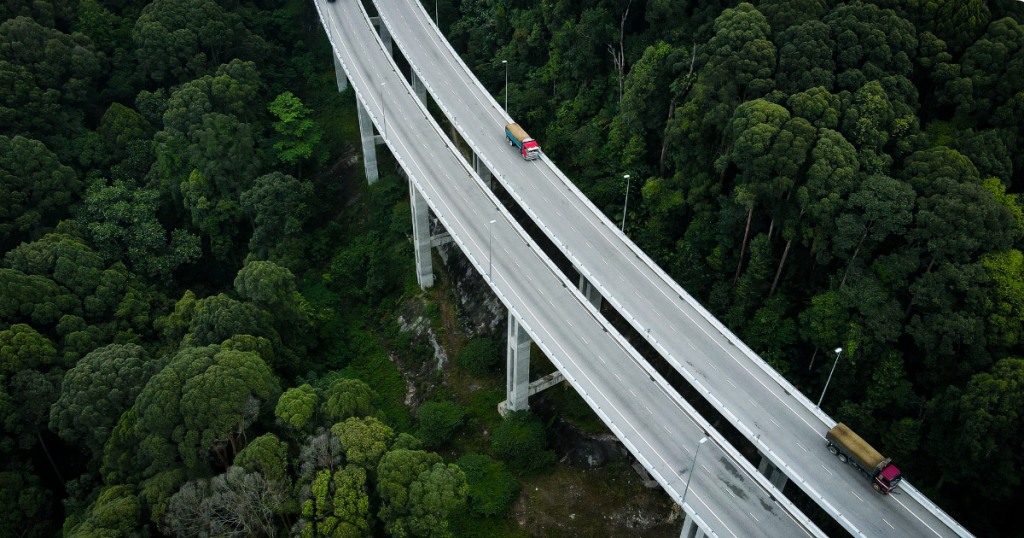
The Bataan-Cavite Interlink Bridge, connecting Bataan and Cavite, has an approved budget of ₱219.31 billion. Scheduled bidding for the major marine works is expected to conclude in February 2026, paving the way for full-scale construction of the 32-kilometer bridge system. Once completed, the bridge will significantly improve regional connectivity, reduce travel time between the two provinces, and provide a major alternative route that eases congestion across Metro Manila’s existing road and ferry networks.
Expected Benefits:
The Bataan–Cavite Interlink Bridge is expected to dramatically enhance regional integration by providing a direct and reliable connection across Manila Bay. Once completed, it will reduce travel time between Bataan and Cavite from approximately five hours—currently requiring a long land-and-sea route via Metro Manila—to about 45 minutes. This improved accessibility will support the movement of people, goods, and services, strengthen economic linkages between Central Luzon and CALABARZON, and help decongest major roads in Metro Manila by offering an alternative cross-bay route.
- The Mindanao Transport Connectivity Improvement Project (MTCIP)
The Mindanao Transport Connectivity Improvement Project (MTCIP), spanning 550 kilometers across Northern and Central Mindanao, has a total budget of ₱37 billion and is co-funded by the World Bank. The project’s 22-month detailed design phase is scheduled to officially launch in January 2026, marking the first step toward upgrading major transport corridors in the region. Once completed, MTCIP is expected to enhance road safety, reduce travel time for passengers and freight, and improve access for agricultural and commercial goods to key markets, thereby boosting economic growth and regional development across Mindanao.
Expected Benefits:
The project will drastically reduce transportation costs and post-harvest losses for local farmers. This enhanced connectivity ensures that perishable goods reach markets faster, boosting Mindanao’s competitiveness as the country’s “food basket” and increasing household incomes for over 1.1 million residents. The project will modernize regional logistics, improve passenger safety, and open previously isolated areas to essential services such as healthcare and education. Ultimately, the MTCIP is a strategic vehicle for poverty reduction and regional stability, fostering a more connected and prosperous Mindanao.
- Dalton Pass East Alignment Road, Nueva Ecija & Vizcaya
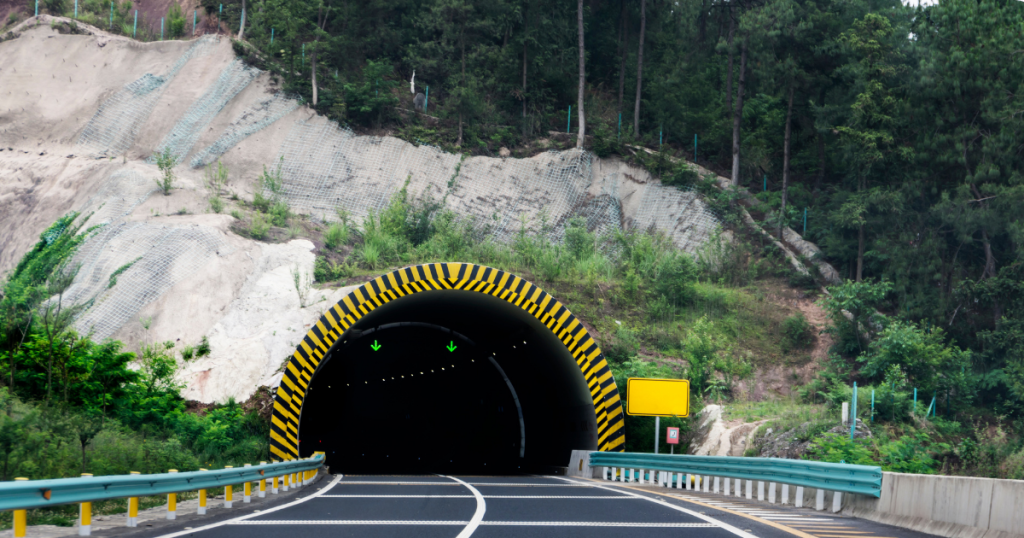
The Dalton Pass East Alignment Road, a 23-kilometer route traversing Nueva Ecija and Vizcaya, has an approved budget of ₱67.4 billion. The Detailed Engineering Design (DED) is expected to be completed in the first quarter of 2026, paving the way for construction of this strategically important route. Featuring twin tunnels to bypass the more hazardous sections of the existing pass, the project aims to improve road safety, ensure year-round accessibility, reduce travel time between Central and Northern Luzon, and provide a more resilient alternative to the landslide-prone sections of the current Dalton Pass.
Expected Benefits:
The Mindanao Transport Connectivity Improvement Project (MTCIP) will significantly improve the efficiency of agricultural supply chains by upgrading key sections of the Cagayan de Oro–Davao–General Santos corridor. These improvements will allow farmers, agribusinesses, and transport operators to move produce more quickly and reliably from farms to processing centers and markets. Reduced travel time, lower vehicle operating costs, and improved road safety are expected to minimize post-harvest losses, increase farmers’ incomes, and enhance Mindanao’s competitiveness as a major food-producing region.
- Guadalupe Bridge Detour Construction Makati/Mandaluyong
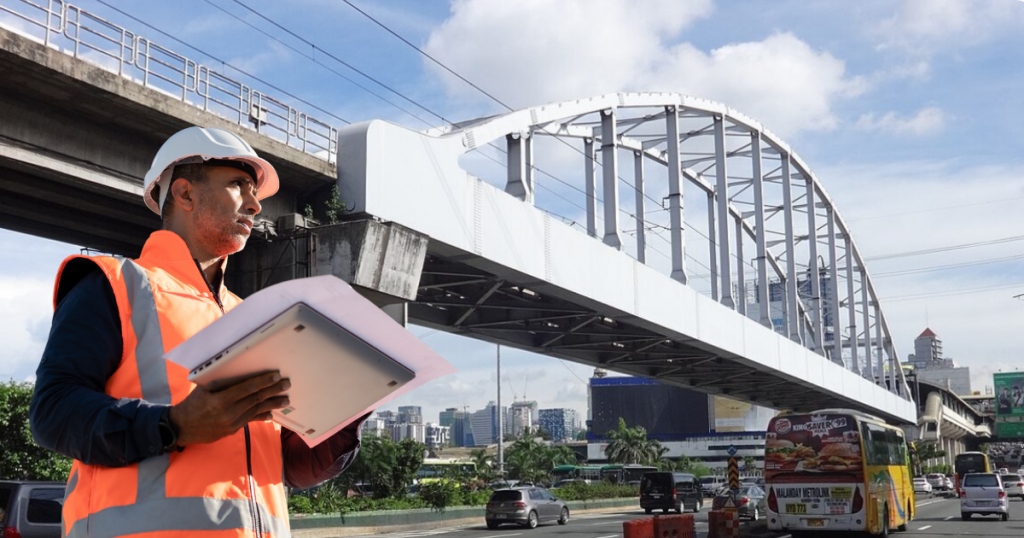
The construction of the Guadalupe Bridge Detour is a pivotal component of the Metro Manila Priority Bridges Seismic Improvement Project (MMPBSIP). Funded by the Japan International Cooperation Agency (JICA), this initiative operates under a total adjusted project cost of ₱10.34 billion, replacing the erroneous ₱17.4 million figure previously cited.
Construction of this critical temporary steel bridge is set to begin in early 2026. It will provide a vital alternative route to maintain traffic flow along EDSA—one of Metro Manila’s busiest corridors—while the main Guadalupe Bridge undergoes major structural retrofitting. This “traffic-first” strategy ensures that commuters and transport operations can continue safely while the main bridge is strengthened to withstand high-magnitude earthquakes and other natural hazards.
Expected Benefits:
The project serves a dual purpose: immediate traffic continuity and long-term disaster resilience. First, the temporary detour bridges will prevent catastrophic gridlock on EDSA during construction, ensuring that the daily movement of over 365,000 vehicles remains uninterrupted. Second, the broader seismic retrofitting ensures that the main Guadalupe Bridge—a critical lifeline connecting the business districts of Makati and Mandaluyong—can withstand high-magnitude earthquakes, specifically “The Big One,” thereby securing the safety of commuters and the continuity of Metro Manila’s economic activities in the event of a disaster.
Ongoing Projects Set for Completion in 2026
1. EDSA “Rebuilding” & Rehabilitation

The project, with a revised budget of ₱6 billion, down from the original ₱17 billion, covers the full stretch of EDSA from Roxas Boulevard to Quezon City. Phases 1 and 2 are scheduled for completion by August 2026. Using durable stone mastic asphalt and a 24/7 construction schedule, the project aims to efficiently restore the capital’s main artery, improving traffic flow, road safety, and the reliability of Metro Manila’s key transportation corridor.
Expected Benefits:
The rehabilitation of EDSA will significantly improve traffic flow and commuter reliability by restoring the capital’s primary artery using high-performance stone mastic asphalt. This durable material ensures a smoother, safer surface with increased resistance to heavy wear, reducing vehicle maintenance costs and long-term road degradation.
2. Davao City Bypass Road (Contract Package II-1)
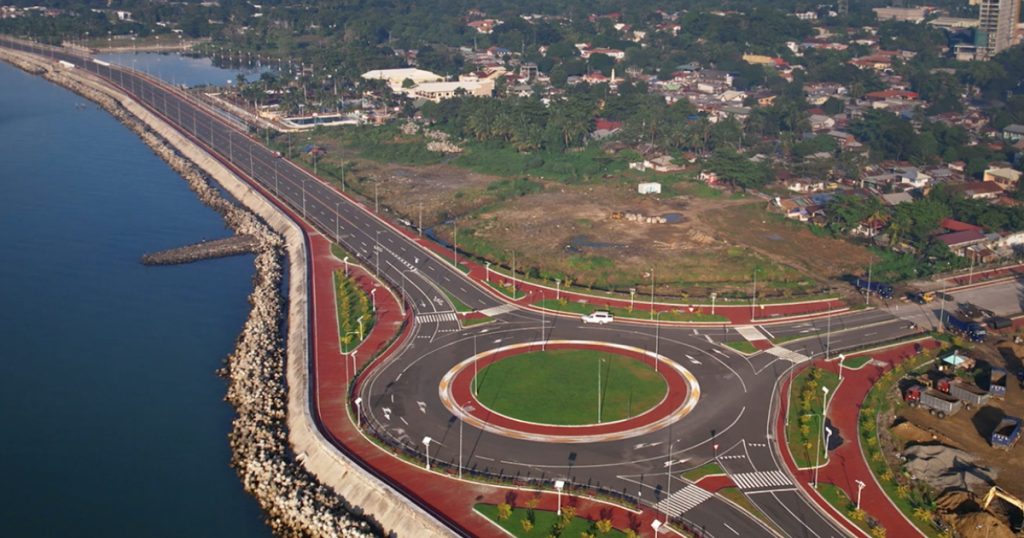
The project, with a budget of ₱13.23 billion for this specific segment out of a total estimated cost of ₱70.8 billion, is located in Davao City and is targeted for completion in the first quarter of 2026. A key feature of the project is the Philippines’ first long-distance mountain road tunnel, which is expected to reduce travel time between Toril and Panabo significantly. This infrastructure initiative will enhance connectivity, improve transportation efficiency, and support economic growth in the region by providing a safer and faster route through the mountainous terrain.
Expected Benefits:
The completion of this segment, featuring the Philippines’ first long-distance mountain tunnel, will revolutionize regional logistics by drastically reducing travel time between Toril and Panabo. By bypassing difficult mountainous terrain with a direct, high-capacity route, the project enhances transportation efficiency and ensures a safer, more predictable journey for commuters and freight alike.
3. Oplan Kontra Baha (Waterway Clearing)
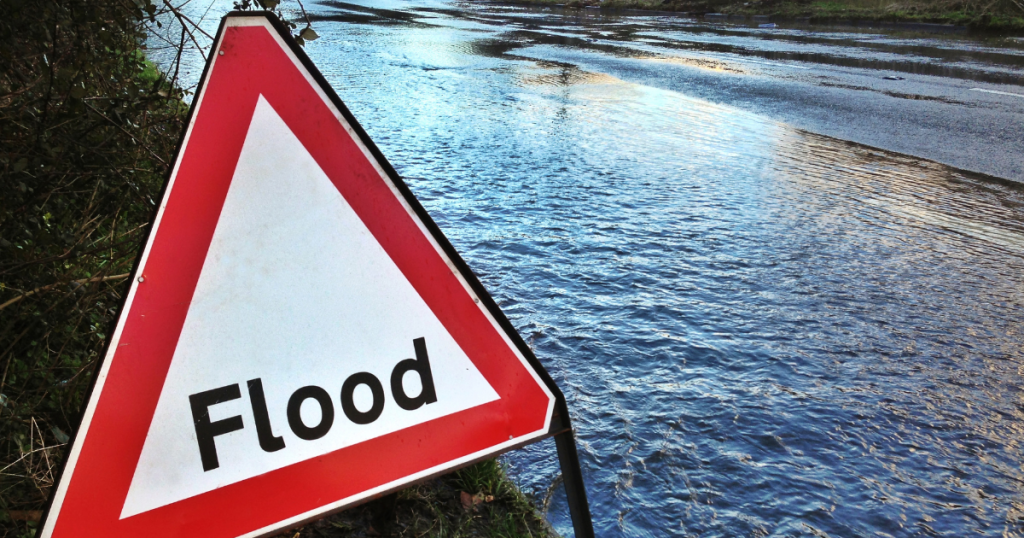
The project, funded through a portion of the ₱350 billion carry-over flood control funds, covers 142.4 km of rivers and 333 km of drainage systems across the National Capital Region (NCR). With a presidential deadline set for June 2026, the initiative involves massive desilting and clearing operations to ensure that floodwaters can subside more quickly during heavy rains, particularly ahead of the 2026 monsoon season. By improving water flow and drainage capacity, the project aims to reduce flooding risks, protect communities and infrastructure, and enhance the overall resilience of Metro Manila’s flood management system.
Expected Benefits:
This massive desilting and clearing initiative will significantly increase the discharge capacity of Metro Manila’s waterways, covering over 142 km of rivers and 333 km of drainage systems. By removing years of accumulated silt and debris, the project ensures that floodwaters subside rapidly during heavy rains, directly reducing the duration and depth of flooding in high-risk communities across the NCR.
A New Direction for Flood Control
Perhaps the most significant change in the 2026 rundown is the total overhaul of the Flood Management Program. Following a directive to eliminate substandard projects, the DPWH has moved toward an “integrated” approach.
- Oplan Kontra Baha: Focuses on physical declogging rather than just building traditional dikes.
- Nature-Based Solutions: New projects starting in 2026 will prioritize water impounding features to store water for irrigation and aquaculture, turning flood threats into agricultural assets.
Timeline, Funding, and Accountability
To prevent delays and “ghost projects,” the DPWH has implemented strict digital and financial controls for the 2026 cycle.
- Funding Sources: Supported by the National Expenditure Program (NEP) 2026, with major bridges and expressways backed by Official Development Assistance (ODA) from JICA, ADB, and the World Bank.
- Cost Efficiency: Through the Construction Materials Price Data (CMPD) system, the DPWH has reduced asphalt and steel costs by up to 50%. The resulting P60 billion in savings will fund an additional 1,600 km of concrete roads in 2026.
- Transparency: Every project is now tracked via Project DIME, using satellite imagery and geotagging to ensure on-time completion.
“The price can be right, it can be fast, and it can be quality. That is our mantra for 2026.” — DPWH Secretary Vince Dizon.
As we look toward 2026, it is clear that the Philippines is entering a new era of infrastructure development—one defined not just by the scale of its structures, but by the integrity of its process. By shifting the focus to high-impact, fairly priced, and climate-resilient engineering, the DPWH is setting a blueprint for a more connected archipelago.
These projects represent the lifelines that will carry Filipino commuters, farmers, and businesses into a more efficient future. With 2026 serving as both a “harvest year” for major segments and a “launchpad” for visionary links, the nation’s landscape is on the verge of a historic transformation.








 Facebook
 Instagram
 Linkedin
 Twitter
 Youtube