

Many Filipino homes make the most out of small kitchens that double as food prep areas, dining nooks, storage spots, and sometimes even laundry corners. These tiny spaces work hard every day, making the space feel too cramped too quickly and rendering simple tasks harder than they should be.
Taking inspiration from Japanese practices of simplicity and organization is a simple but refreshing way to manage this. Japanese design principles blend well with the realities of compact Filipino kitchens, creating a setup that feels lighter, easier to use, and more enjoyable.
In this article, we’ll explore six practical ways to bring back the spark in your everyday home life through Japanese-inspired simplicity.
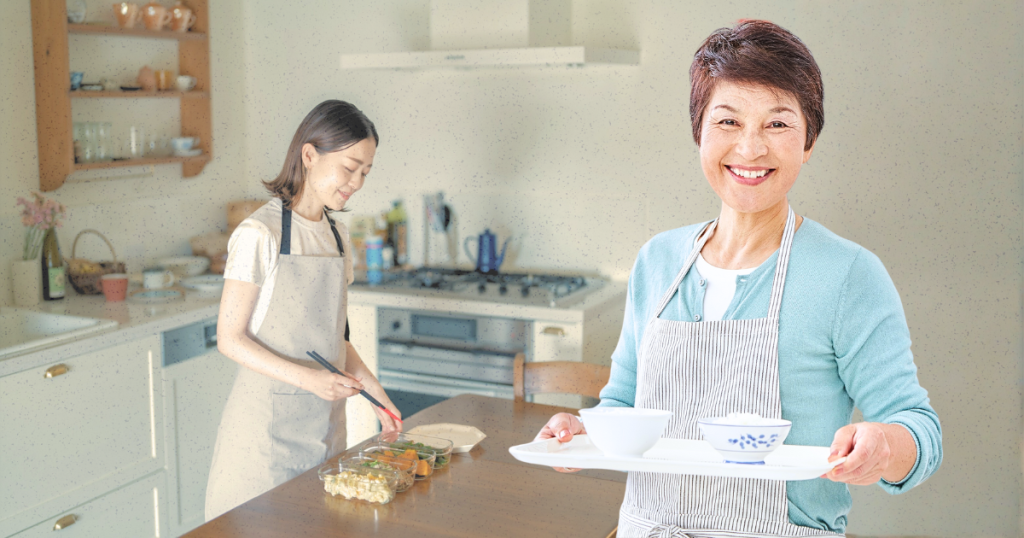
Why Japanese Kitchen Design Works
Traditional Japanese home design reflects long-standing cultural values rooted in Zen philosophy. This approach emphasizes minimalism, functional living, and a harmonious connection between the home and the natural environment. Over the years, these principles have shaped Japanese interiors, influencing how spaces are built, organized, and maintained.
Modern interpretations continue this tradition. Many homeowners now draw inspiration from both classic Japanese aesthetics and contemporary organization frameworks such as the KonMari Method, developed by Marie Kondo, a globally recognized organizing consultant and author. Though not part of ancient tradition, KonMari shares the same spirit: keeping items intentionally, surrounding oneself only with what serves a purpose or brings joy, and creating clarity through thoughtful organization.
Blending these principles creates a kitchen that supports calm routines and practical workflows. It also reduces visual noise, making spaces such as compact kitchens easier to use.
Below is a closer, clearer look at why these core principles work so well:
Minimalism
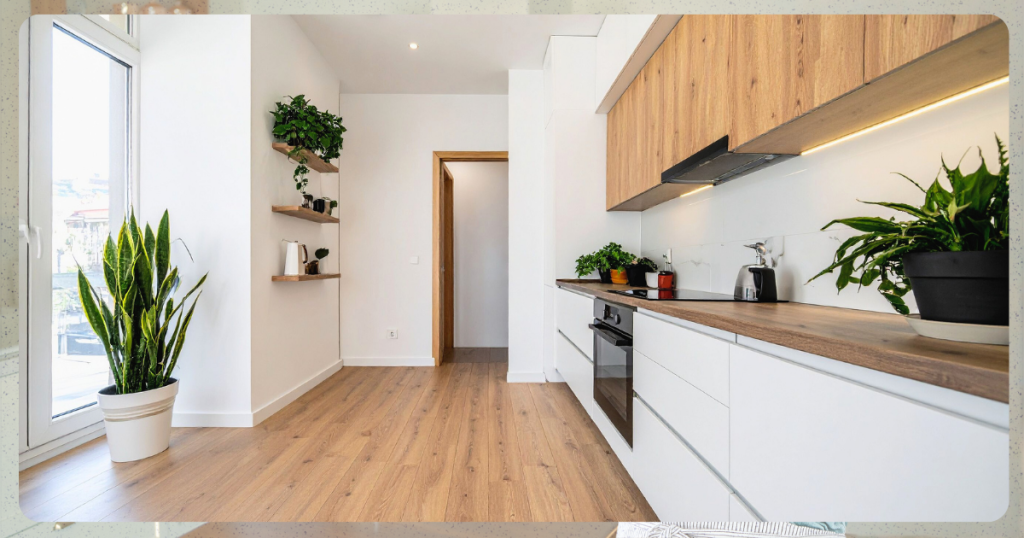
Japanese kitchens prioritize function over excess. Items used every day remain within reach, while unnecessary tools and décor are kept out of the way. Reducing clutter opens up walking space and makes the kitchen easier to maintain.
Natural Materials
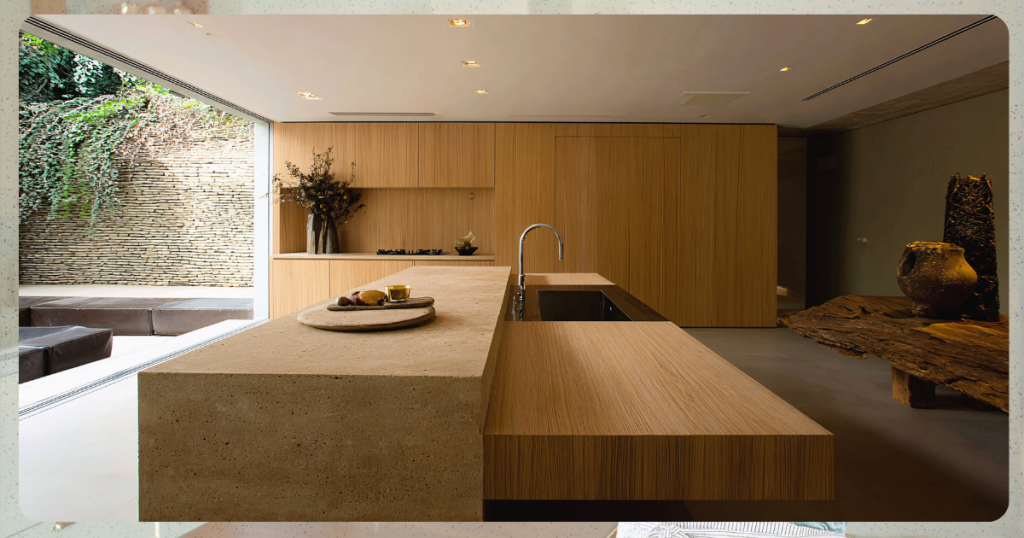
Wood, bamboo, rattan, and similar materials are commonly used because they soften the room’s appearance and bring natural warmth. These textures help balance the hard surfaces typically found in kitchens, creating an environment that feels calm even during busy cooking sessions.
Clean Lines
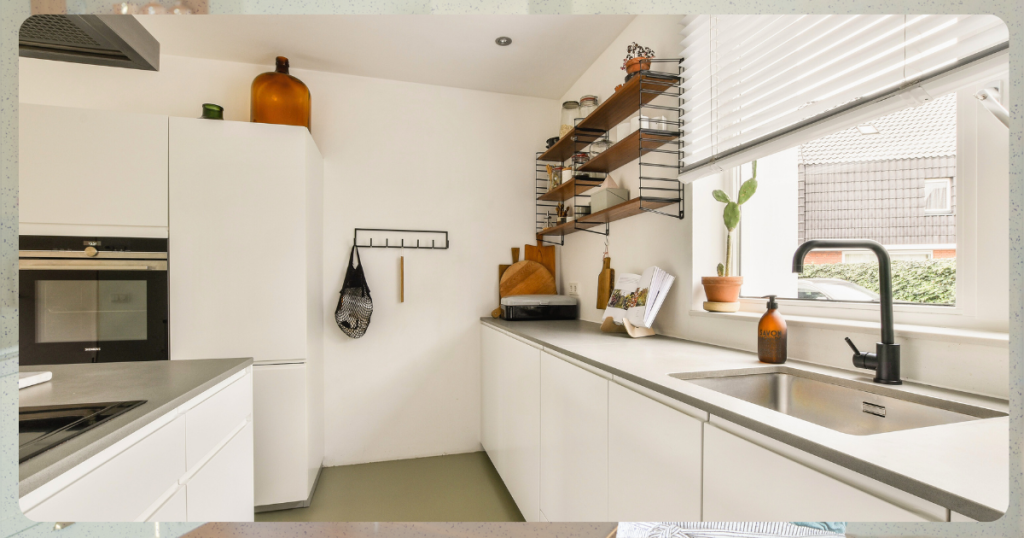
A Japanese-inspired layout relies on straight, refined lines and unobstructed surfaces. Whether through simple cabinetry, smooth counters, or symmetrical shelving, clean lines create visual order. This clarity reduces decision fatigue and makes small kitchens feel larger and more organized.
Smart Storage
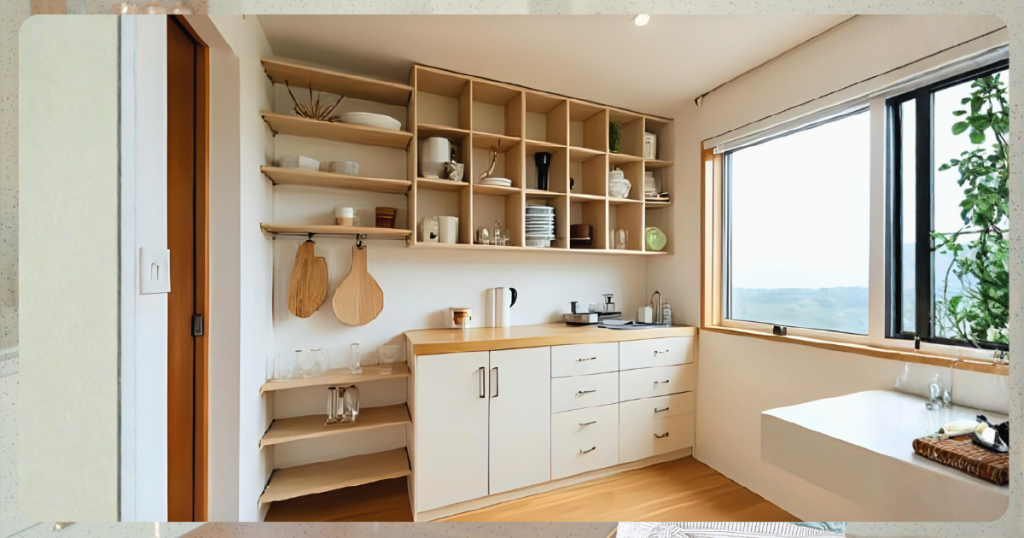
Compact homes across Japan often rely on hidden compartments, vertical racks, slim drawers, and modular organizers. These smart storage systems maximize limited floor space while keeping tools accessible. The result is a kitchen that remains tidy without sacrificing convenience.
Six Simple & Affordable Japanese-Inspired Design Ideas
1. Install Open Shelving with One-Row Organization
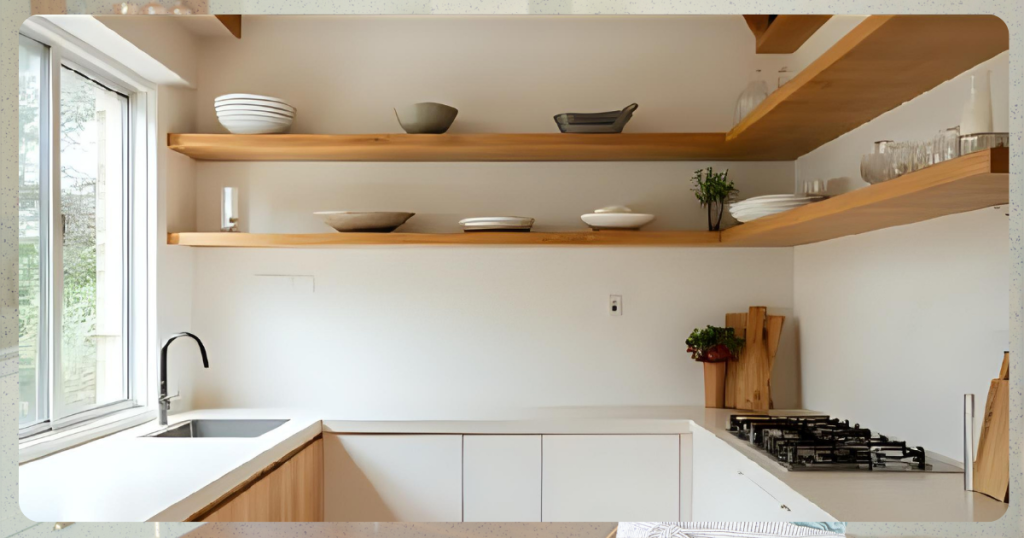
Open shelves paired with one-row arrangements keep frequently used items visible and tidy. Instead of stacking bowls or condiments deeply, items stay in a single, easy-to-reach line.
2. Use Shoji-Inspired Sliding Doors or Panels for Space-Saving Partitions
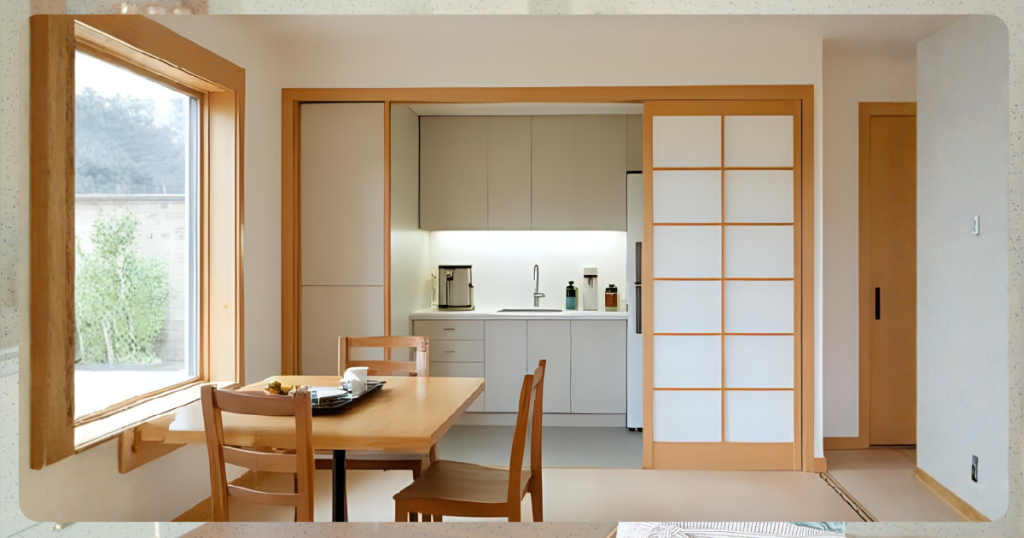
Sliding panels maximize space because they don’t swing outward. Frosted acrylic or lightweight wood can recreate the shoji look at a lower cost while improving movement around tight corners.
3. Use a Compact Multi-Use Wooden Counter or Prep Table
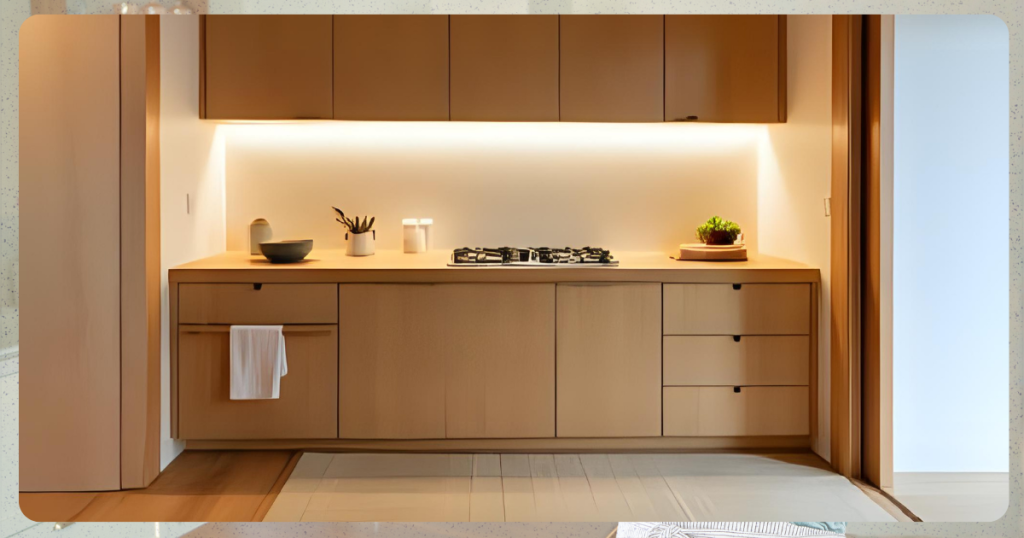
A foldable wooden counter adds both workspace and extra room for tools. This multifunctional setup fits well in kitchens with minimal surface area. You can also make do with a small island with storage underneath.
4. Use a Vertical Pegboard Wall for Your Kitchen Tools
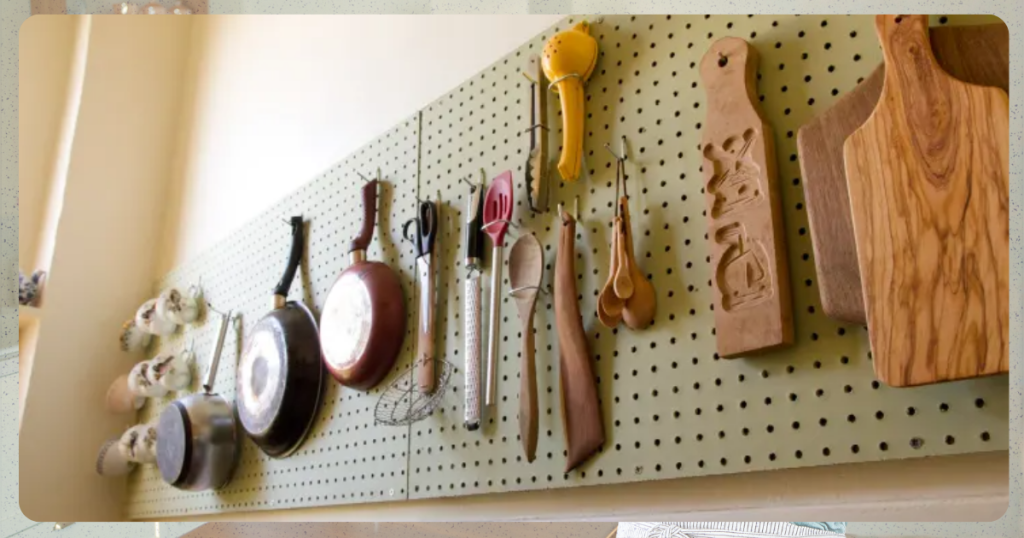
A pegboard works like a smart digital dashboard, but for kitchen gear. Inspired by organized Japanese craft workshops, it lets you customize hooks and shelves so pans, ladles, and cutting boards stay accessible without taking cabinet space.
5. Install Hidden Storage Under Counters
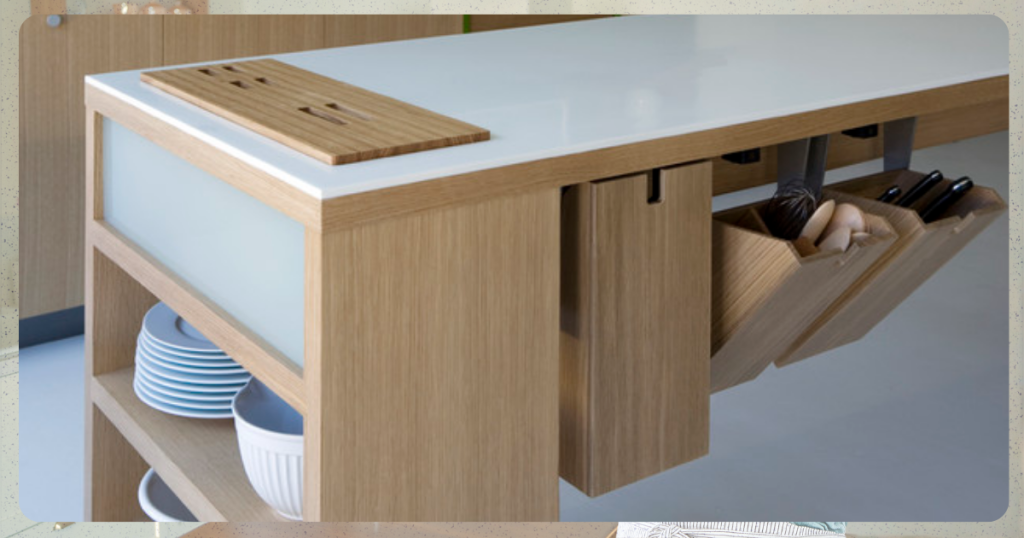
Pull-out baskets, narrow drawer inserts, and organized under-sink dividers give you discrete storage zones. These solutions help you maximize every inch of the counter’s underside—an approach used widely in Japanese micro-kitchens.
6. Use Uniform Containers with Labeling System
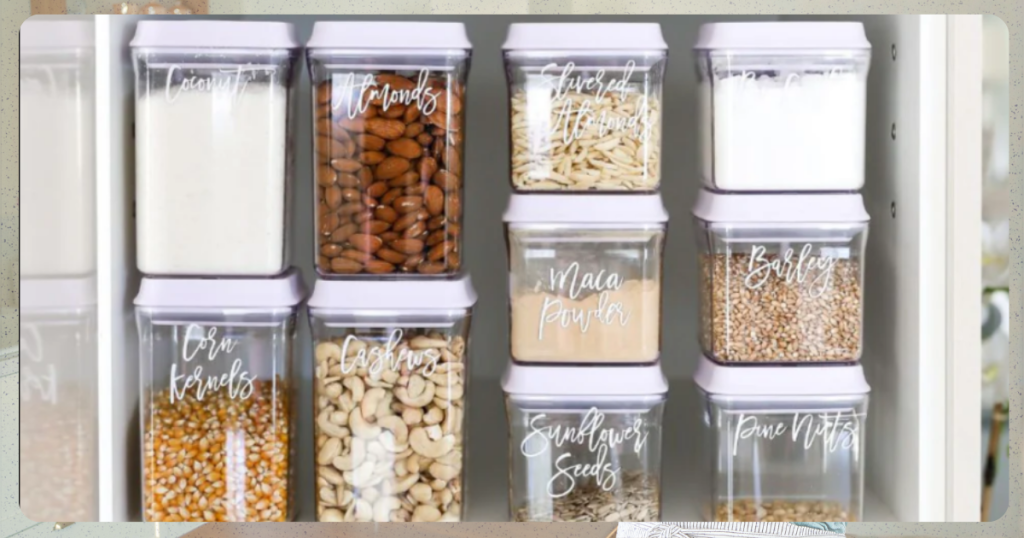
Matching jars and bins reduces visual noise. A consistent labeling system brings order, speeds up cooking prep, and makes the kitchen easier to maintain even on busy days.
Friendly DIY Tips to Bring the Look to Life
You’d be surprised at how small design choices can make a big impact in your home’s interior. Take a look at these traditional Japanese design tips that are easy to adapt to your compact Filipino home.
- Use Neutral Colors – Soft whites, beiges, grays, and light wood tones help create a calm environment. These shades make small kitchens feel brighter and more open.
- Let Go of the Extras – Regular decluttering keeps the space manageable. Keep only what you use frequently and store or donate the rest.
- Add Wooden Textures – Bamboo trays, wooden organizers, or a wood-tone backsplash instantly create a Japanese-inspired feel without requiring major changes.
- Maximize Natural Light – Clear windows, sheer curtains, and reflective surfaces brighten the kitchen. A lighter space naturally feels cleaner and more efficient.
- Keep Countertops Bare – Limit countertops to just one or two essentials. Everything else moves into drawers, shelves, or smart vertical storage.
A Kitchen That Sparks Joy Every Day
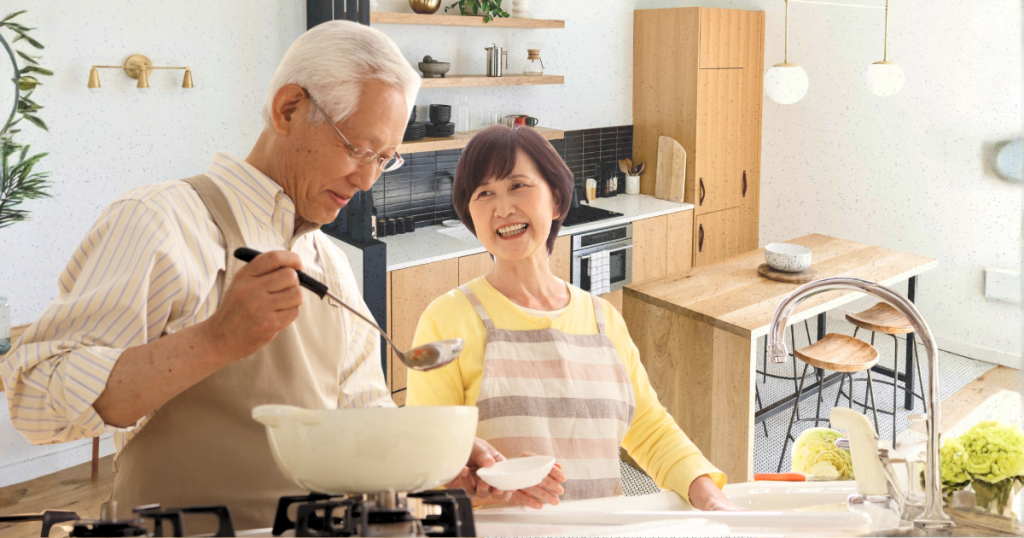
Japanese simplicity works well in small Filipino kitchens because it emphasizes comfort through thoughtful design. These adjustments don’t require a full renovation—just small updates that align with how the space is used daily. A calm, organized kitchen makes cooking more enjoyable and opens up the space, allowing each meal to be prepared and shared with care. After all, cooking in a clean, organized kitchen turns every meal into a moment worth savoring.
References
Biggs, C. (2019, June 4). Pegboard Ideas for Kitchens, Craft Rooms, and More. Apartment Therapy. Retrieved November 26, 2025, from https://www.apartmenttherapy.com/pegboard-ideas-267931
Japanese Interior Design. (n.d.). Japanese Kitchen Design. Japanese Interior Design. https://japaneseinteriordesign.com/japanese-kitchen-design/








 Facebook
 Instagram
 Linkedin
 Twitter
 Youtube
