

Construction is one of the largest contributors to landfill waste globally. However, shifting toward a Zero-Waste Policy isn’t just good for the planet—it reduces disposal costs, improves site safety, and boosts your brand’s reputation as a sustainable builder.
In this article, we will explore actionable strategies to minimize debris, practical steps for material recovery, and the management tools you need to lead a cleaner, more efficient construction site.
1. Strategies for On-Site Waste Reduction

The most effective way to manage waste is to prevent it from ever reaching the site.
- Precise Estimations: Use Building Information Modeling (BIM) or advanced software to calculate exact material quantities, reducing “ordered-just-in-case” surplus.
- Prefabrication: Whenever possible, use off-site prefabricated components (e.g., trusses, wall panels). This shifts assembly to a controlled environment where scraps are easily recycled.
- Standard Dimensions: Design layouts that match standard material sizes (e.g., 4×8 plywood) to minimize off-cuts.
- Just-in-Time Delivery: Schedule deliveries close to the time of installation to prevent damage from weather or on-site accidents.
2. Practical Steps: Segregate, Recycle, and Reuse
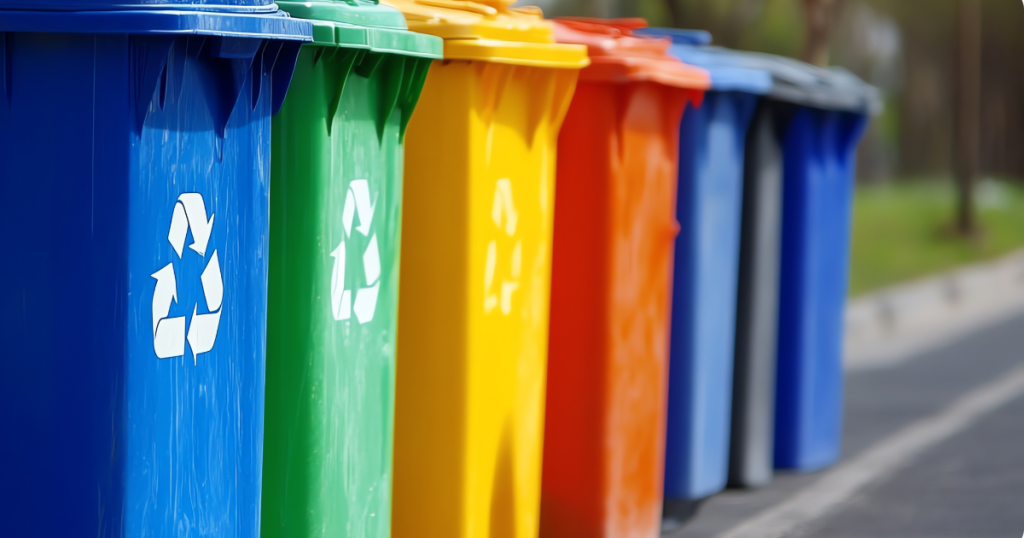
A zero-waste site requires a system that makes it easier for workers to sort than to dump.
Segregation
Set up a Centralized Sorting Station with clearly labeled bins for:
- Inert Materials: Concrete, bricks, and stones.
- Metals: Steel scraps, copper wiring, and aluminum.
- Wood: Untreated timber and pallets.
- Hazardous Waste: Paint cans, adhesives, and chemical containers.
Recycling & Reusing
- Crush Concrete: Use crushed old concrete as a sub-base for driveways or temporary site paths.
- Salvage Wood: Use timber off-cuts for blocking, bracing, or formwork.
- Metal Scrapyards: Sell scrap metal to local recyclers to recoup a portion of your material costs.
3. Success Stories: Leading by Example

Many contractors are already proving that zero-waste is profitable:
- The Modular Pioneer: A mid-sized firm in Metro Manila shifted to 70% precast components, reducing their site waste by 45% and cutting project timelines by two months.
- The Circular Builder: A commercial contractor partnered with a local NGO to donate “waste” materials—like leftover tiles and paint—to low-income housing projects, achieving a 90% diversion rate from landfills.
4. Training and Monitoring Compliance

A policy is only as good as the team implementing it.
Training the Team
- Toolbox Talks: Dedicate 10 minutes every Monday to explain how and why the waste system works.
- Visual Aids: Use bilingual signs (e.g., English and Tagalog) with icons showing which materials go in which bin.
Monitoring & Incentives
- Waste Audits: Perform weekly walk-throughs to check if bins are contaminated.
- Waste Log: Track the volume of waste hauled away versus diverted to calculate your actual savings.
- Reward Systems: Offer “Eco-Bonus” incentives for crews that maintain the cleanest sorting stations.
Building for the future shouldn’t mean destroying the environment in the present. By implementing a zero-waste policy, you are not just managing trash—you are optimizing your resources and setting a new standard for the Philippine construction industry. Start small by segregating your next site, and watch how a cleaner workspace leads to a more profitable and sustainable business.
Maging eco-friendly contractor na ngayon, mga Ka-Builders para sa mas luntiang bukas!








 Facebook
 Instagram
 Linkedin
 Twitter
 Youtube
