
The Philippine construction industry is undergoing a massive shift toward sustainability. Driven by updated environmental regulations and a growing demand for “Net Zero” certifications, contractors and homeowners are moving away from traditional carbon-heavy methods.
In this article, we explore the most sustainable materials currently available in the local market, their specific environmental benefits, and how they can be applied across residential, commercial, and industrial projects to build a greener future.
1. Low-Carbon Cement
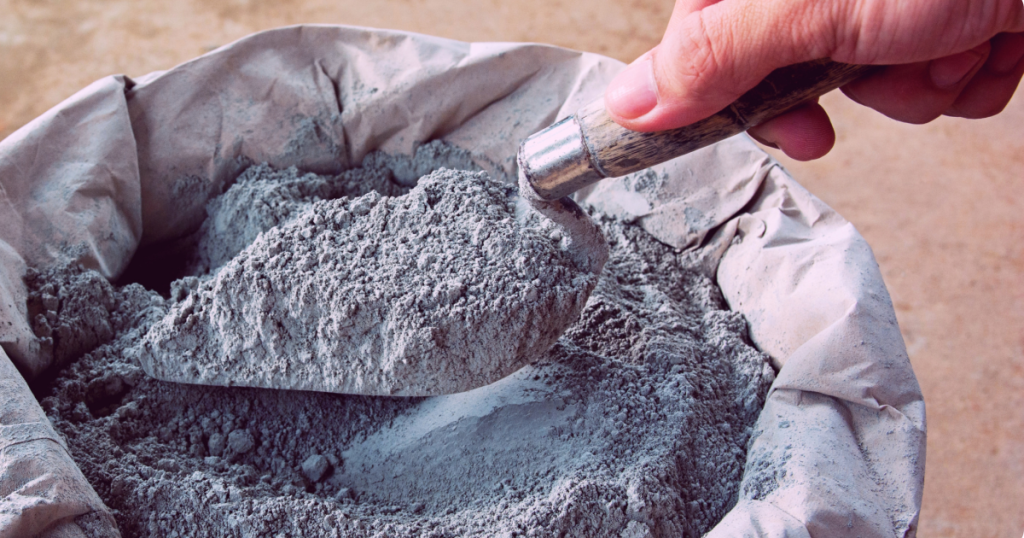
Traditional cement production is a significant source of carbon emissions. Low-carbon alternatives are now the gold standard for sustainable structural works in the Philippines.
- Environmental Benefit: Reduces CO2 emissions by at least 30% without compromising structural strength or durability.
- Applications: Ideal for high-rise commercial frames, industrial foundations, and large-scale infrastructure.
2. Engineered Bamboo
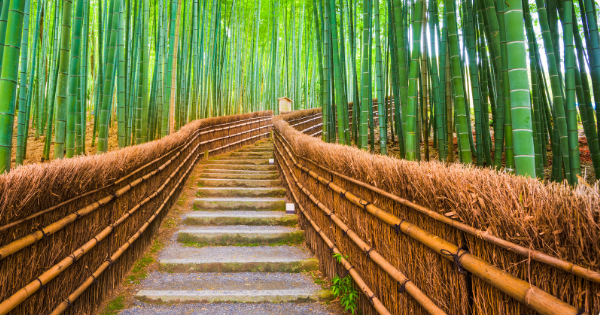
Often called “green steel,” bamboo is a rapidly renewable resource that thrives in the Philippine climate.
- Environmental Benefit: Absorbs significant amounts of CO2 during growth and reaches maturity in just 3–5 years, unlike hardwoods.
- Applications: Residential modular homes, eco-resorts, and decorative commercial interiors.
3. Recycled Steel
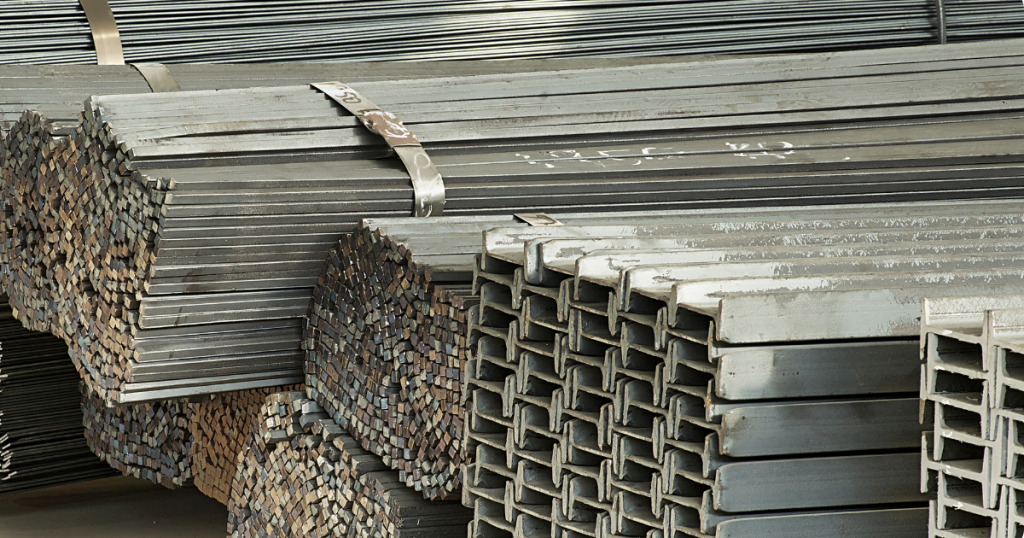
Steel is unique because it can be recycled infinitely without losing its mechanical properties.
- Environmental Benefit: Using recycled steel saves roughly 75% of the energy compared to virgin steel production and reduces mining waste.
- Applications: Structural skeletons for industrial warehouses and commercial buildings.
4. Geopolymer Cement
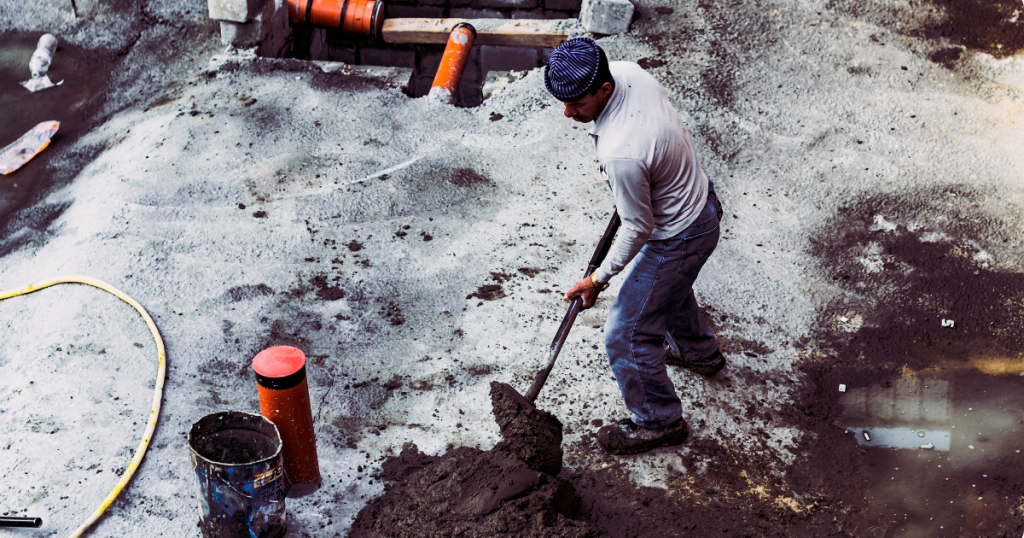
Geopolymer cement is an innovative, carbon-neutral alternative to traditional Portland cement that often uses industrial byproducts.
- Environmental Benefit: It drastically reduces a building’s “embodied carbon” and often incorporates fly ash or slag that would otherwise end up in landfills.
- Applications: High-performance pavements, sea walls (due to chemical resistance), and precast elements.
5. Recycled Plastic
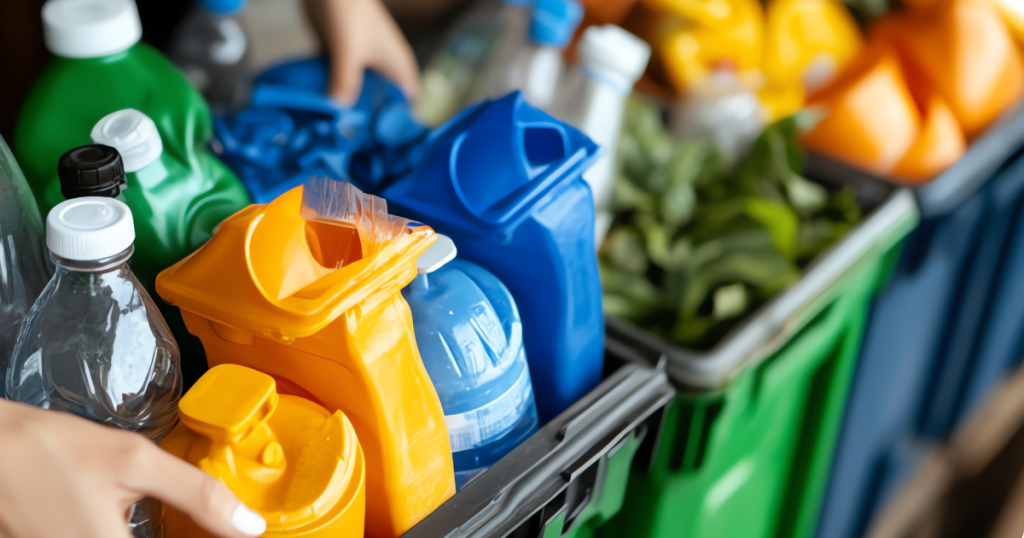
Plastic waste is being transformed into high-density bricks and asphalt additives, providing a solution to the country’s plastic crisis.
- Environmental Benefit: Directly diverts sachet and bottle waste from Philippine waterways and landfills.
- Applications: Residential perimeter walls, garden pathways, and community centers.
6. Rammed Earth and Compressed Earth Blocks (CEB)
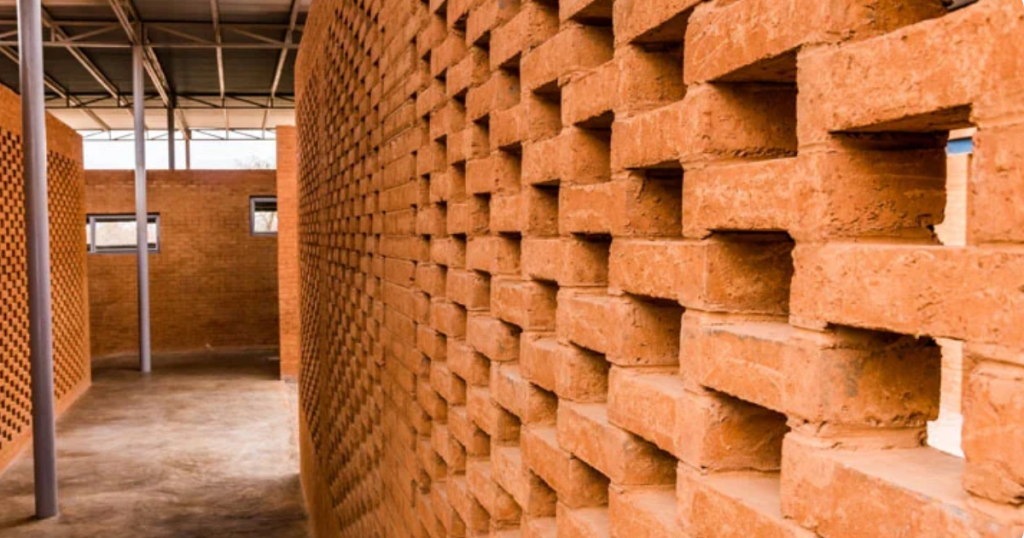
This ancient technique is making a high-tech comeback, using on-site soil to create thick, thermally efficient walls.
- Environmental Benefit: Extremely low transport emissions (sourced on-site) and excellent thermal mass, which naturally reduces cooling costs in the tropical heat.
- Applications: Luxury eco-villas and boutique commercial spaces.
7. Rice Husk Ash (RHA)
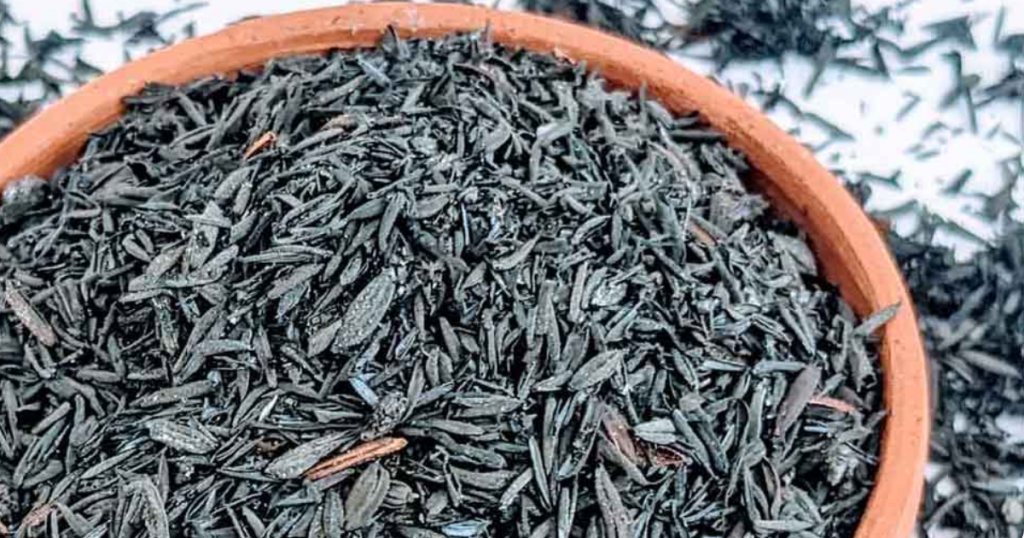
As a major rice producer, the Philippines has an abundance of rice husks. RHA is used as a partial cement replacement or in composite materials like Resysta.
-
Environmental Benefit: Repurposes agricultural waste that would otherwise be burned, reducing smoke pollution and methane release.
-
Applications: * Commercial: Exterior siding and decking.
Building a Greener Future, One Material at a Time
The shift toward sustainable construction in the Philippines is no longer a trend—it is a necessity. By integrating these eco-friendly materials into your 2026 projects, you aren’t just meeting green building standards; you are building a more resilient nation.





 Facebook
 Instagram
 Linkedin
 Twitter
 Youtube
