
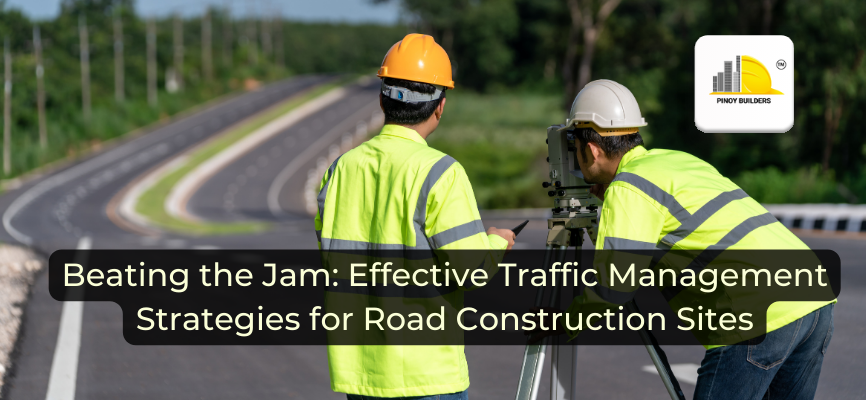
Road construction is a sign of progress, but for the average motorist, it often means one thing: frustrating delays. For project managers in 2026, failing to manage this flow doesn’t just lead to public outcry; it compromises worker safety and project timelines. “Beating the jam” requires a proactive, multi-layered approach that prioritizes clear communication and adaptive technology.
In this article, we explore the industry’s most successful strategies for turning chaotic work zones into streamlined corridors of movement, ensuring that progress on the pavement doesn’t come at the cost of total city paralysis.
1. Proven Strategies to Minimize Congestion
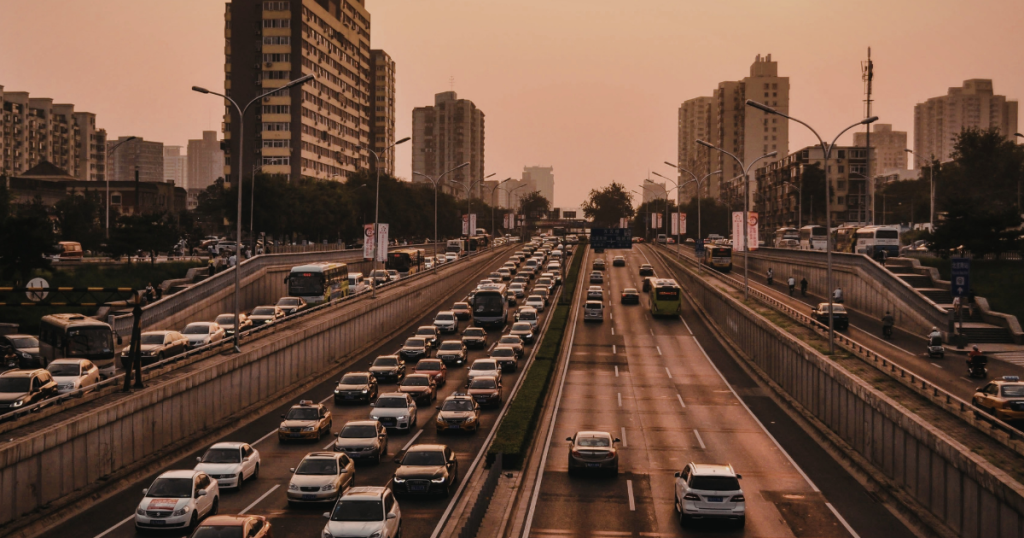
The most effective way to manage traffic is to prevent the bottleneck before it starts. Proven strategies include:
- Off-Peak and Nighttime Scheduling: Shifting high-impact work—such as equipment transport or lane closures—to nighttime or mid-day “valley” hours significantly reduces the impact on peak-hour commuters.
- The “Buffer Space” Concept: Implementing a longitudinal safety buffer (often 20 meters or more) between the active work zone and moving traffic. This prevents “rubbernecking” by keeping construction activity further from the driver’s immediate line of sight.
- Phased Implementation: Breaking projects into smaller, manageable phases ensures that the entire road isn’t obstructed at once, allowing traffic to maintain at least one or two consistent through-lanes.
2. Implementing Proper Signage and Lane Rerouting

Signage is the primary language between the construction site and the driver. In 2026, the Manual on Uniform Traffic Control Devices (MUTCD) remains the gold standard for these communications.
- The Four-Zone System: A compliant roadwork site should be divided into four distinct zones:
- Advance Warning Area: Tells drivers what to expect (e.g., “Road Work 500m Ahead”).
- Transition Area (The Taper): Uses cones or barrels to move traffic out of its normal path.
- Activity Area: The actual work zone, protected by barriers.
- Termination Area: Informs drivers they can resume normal speed.
- Visibility and Retroreflectivity: With more work occurring at night, all signs must use high-intensity prismatic sheeting to ensure they are visible under headlights from at least 150 meters away.
- Taper Formulas: Use specific formulas ($L = S \times W$ for high speeds, where $L$ is length, $S$ is speed, and $W$ is width) to determine taper lengths. A taper that is too short forces abrupt merging, which causes instant traffic jams.
3. The Role of Technology in Traffic Monitoring
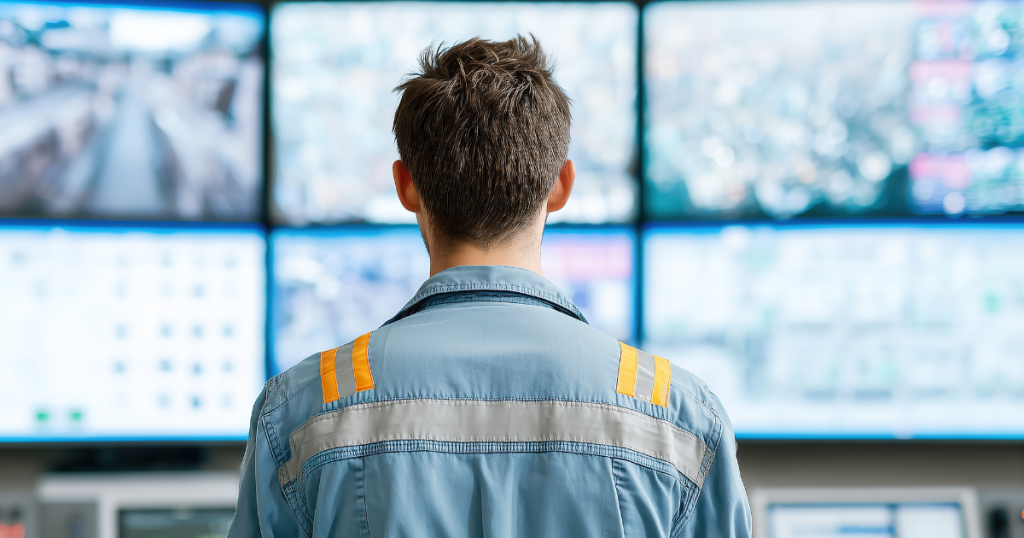
Modern “Smart Work Zones” use real-time data to adjust to traffic conditions as they happen.
- IoT Sensors and Queue Detection: Connected sensors detect real-time vehicle counts. If a queue grows too long, the system automatically updates Variable Message Signs (VMS) miles away to warn drivers of the delay or suggest alternate routes.
- Drones and AI Surveillance: AI-powered cameras now scan for “blind spots” and safety violations (like missing PPE). Drones provide a high-angle view that helps managers identify if a specific cone placement is causing unnecessary friction in the traffic flow.
- Automated Flagger Assistance Devices (AFADs): These remotely operated gates replace manual flaggers in high-risk areas, removing workers from the “line of fire” while maintaining precise control over one-lane funnels.
4. Coordinating for Smoother Operations

Traffic management is as much about people as it is about pavement. Coordination is the final piece of the puzzle.
- Local Authority Synergy: Before breaking ground, coordinate with local police and transit authorities. They can assist with signal timing at nearby permanent intersections to “flush” traffic away from your construction zone.
- Public Information Plans: Use social media, local news, and navigation apps (like Waze or Google Maps) to feed real-time data to the public. Informed drivers are less likely to be frustrated and more likely to take alternate routes.
- Worker Training: Ensure every worker on-site is familiar with the Traffic Management Plan (TMP). Dedicated “Traffic Marshals” should be appointed to supervise vehicle entry and exit points, ensuring construction trucks don’t block public lanes while waiting to enter the site.
In 2026, effective traffic management is a precondition for project success. By combining strategic planning, clear signage, and real-time technology, we can keep the city moving while building for the future. Remember: a smooth-flowing site is a safe site.








 Facebook
 Instagram
 Linkedin
 Twitter
 Youtube
