

Small Space, Big Impact: Smart Home Remodeling Ideas for Toilets and Corridors
In modern home design, toilets and corridors are often treated as afterthoughts. Yet these high-traffic areas play a critical role in how a home functions and feels. With the right design approach, even the tightest spaces can enhance flow, comfort, and visual appeal.
In this article, we explore how we can unlock the full potential of these often-neglected areas. By focusing on smart planning, efficient layouts, and cohesive design choices, we can transform tight corridors and compact toilets from simple pass-throughs into spaces that feel intentional, stylish, and surprisingly impactful.
1. Space-Saving Design Solutions
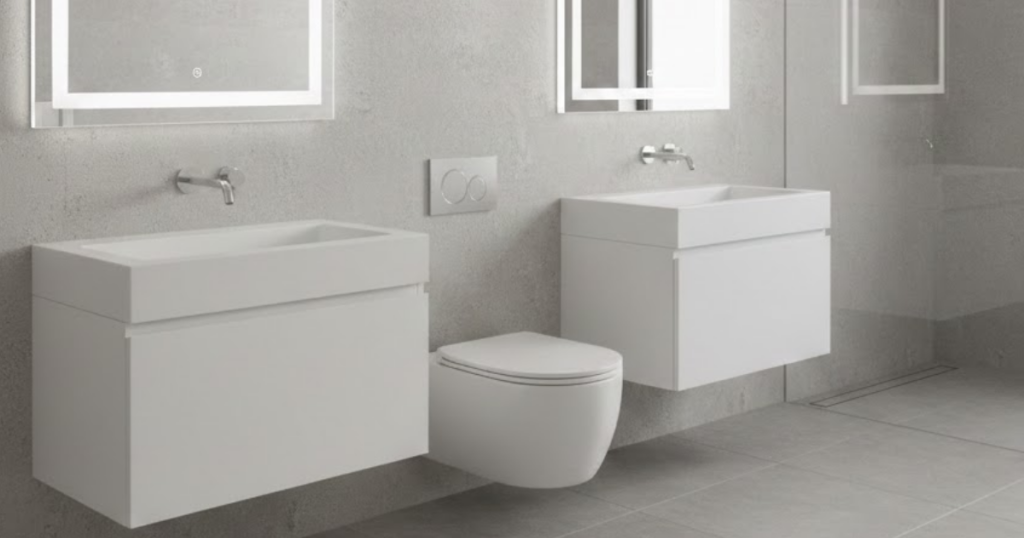
Managing narrow corridors and compact toilets starts with reducing both physical and visual clutter. A streamlined layout helps these areas feel lighter, more breathable, and easier to navigate.
- Pocket and Barn Doors: Replace traditional swing doors with sliding pocket or barn doors to reclaim valuable floor space.
- Wall-Hung Fixtures: In the bathroom, wall-mounted toilets and floating vanities keep the floor visible, creating the illusion of a larger room.
- Streamlined Transitions: Use the same flooring from corridor to toilet to eliminate visual breaks and unify the space.
2. Modern Fixtures and Lighting Innovations
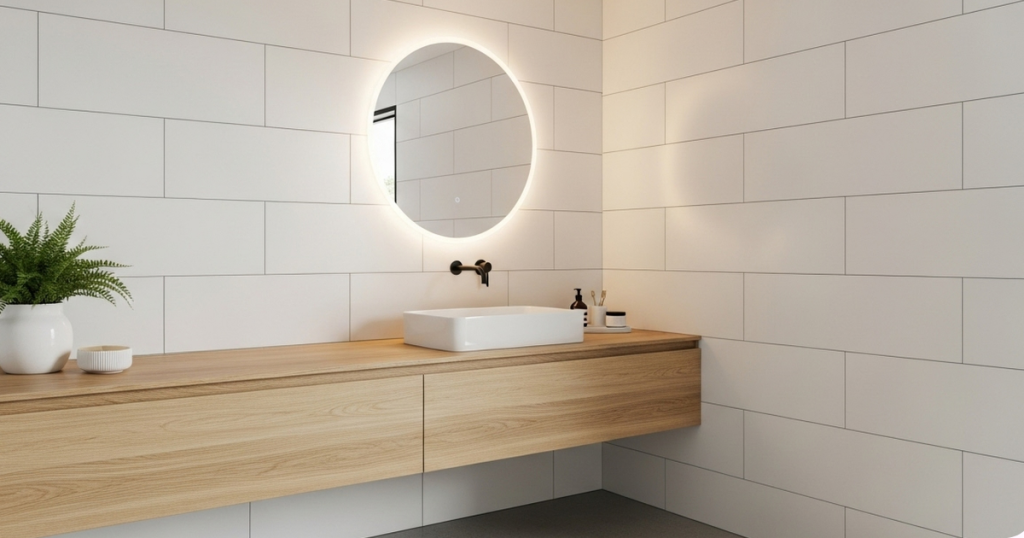
Lighting and fixtures have a powerful influence on how space is perceived. Well-placed lighting can add depth, highlight architectural lines, and soften tight corners. Meanwhile, modern, compact fixtures reduce bulk while enhancing comfort, making small rooms feel more open than their actual size.
- Integrated LED Strips: Install recessed LED strips along corridor baseboards or ceilings to provide a “runway” effect that adds depth.
- Backlit Mirrors: In toilets, a backlit mirror provides soft, ambient light without the need for bulky sconces.
- Compact High-Efficiency Toilets: Modern “low-profile” toilets are designed with a shorter footprint specifically for tight urban layouts.
3. Multifunctional Furniture and Smart Layouts
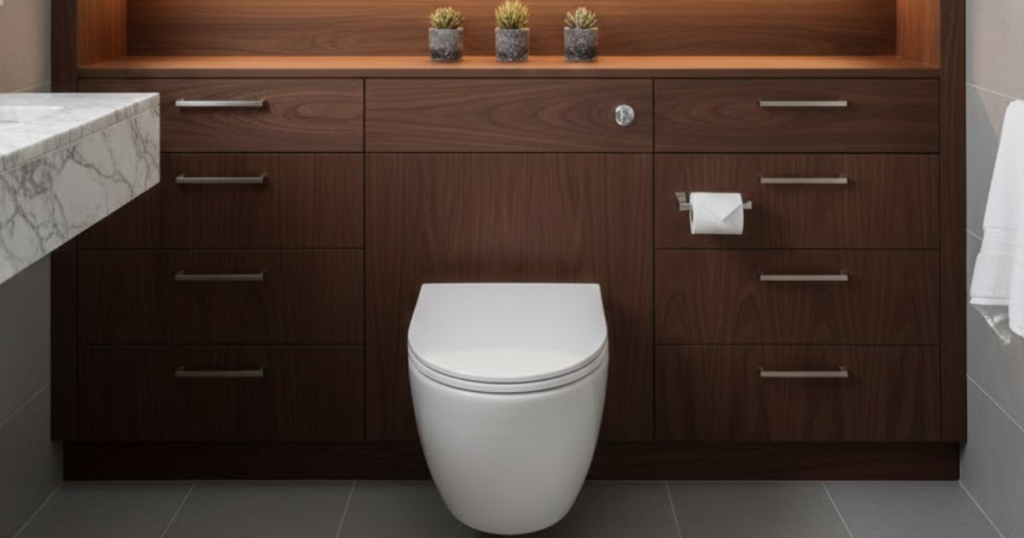
In limited spaces, every element should serve a purpose. Vertical storage, built-in features, and wall-mounted solutions help maximize functionality without sacrificing movement. By shifting storage and utility upward or inward, you preserve floor space while keeping the area organized and efficient.
- Recessed Wall Niches: Instead of protruding shelves, carve out “niches” between wall studs for toiletries or corridor decor.
- Over-the-Toilet Storage: Use sleek, custom-built cabinetry that extends to the ceiling to hide essentials.
- Corridor Workstations: A shallow, wall-mounted “floating” desk can turn a wide hallway into a functional home office without blocking the path.
4. Tips for an Open and Stylish Feel
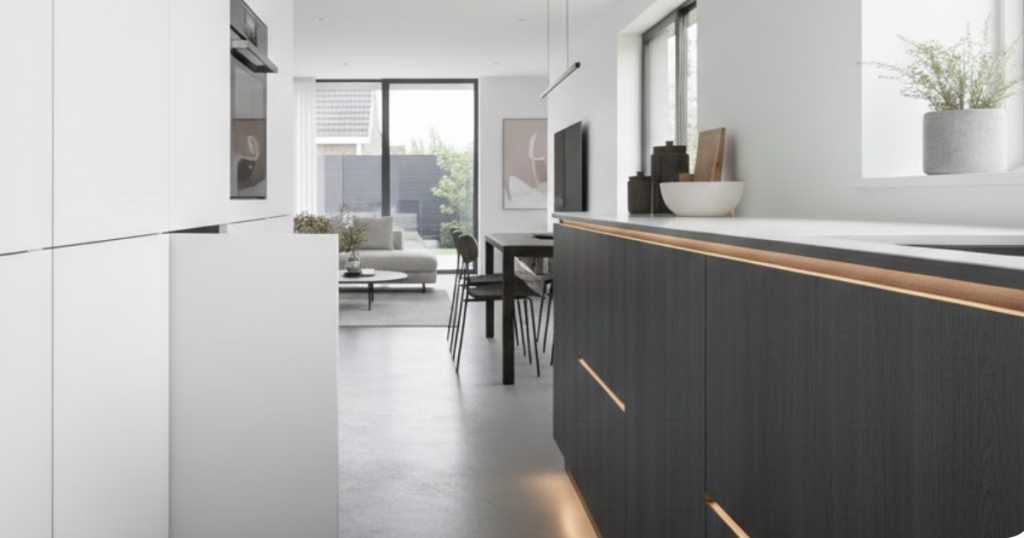
Aesthetic choices shape how a space is experienced. Light colors, reflective surfaces, and clean finishes help small areas feel brighter and more spacious. Simple, minimalist details ensure the design feels calm and intentional rather than crowded or purely utilitarian.
- Monochromatic Palettes: Use light, neutral colors (whites, soft greys, or creams) to reflect light.
- The Power of Mirrors: Large, frameless mirrors in a corridor can double the perceived width of the hallway.
- Minimalist Hardware: Use “push-to-open” cabinets or recessed handles to maintain a flush, seamless look that prevents snagging in narrow passes.
Remodeling small spaces isn’t about how much room you have, but how thoughtfully you use it. With smart storage, refined fixtures, and strategic lighting, toilets and corridors can become impactful design elements instead of overlooked necessities. When designed with intention, even the smallest spaces can enhance daily comfort, improve flow, and leave a lasting impression throughout the home.







 Facebook
 Instagram
 Linkedin
 Twitter
 Youtube
