
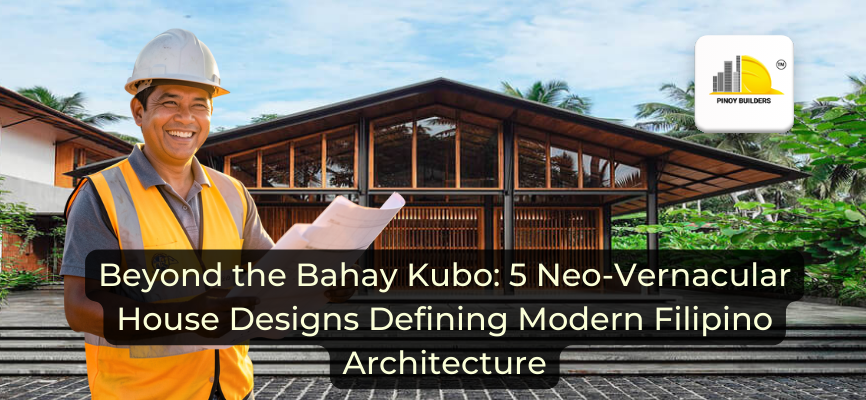
The Bahay Kubo, with its humble nipa and bamboo, stands as an enduring symbol of Filipino architectural heritage. However, as the Philippines hurtles into the 21st century, a new design movement is emerging—one that respects tradition while embracing innovation. This is Neo-Vernacular architecture, a dynamic approach that reinterprets indigenous forms and principles for contemporary living.
In this article, we will define the core principles of Neo-Vernacular design, showcase how indigenous materials are being reimagined for modern facades, and analyze how features like the Salakot-inspired roof are revolutionizing tropical heat management.
What is Neo-Vernacular Architecture?
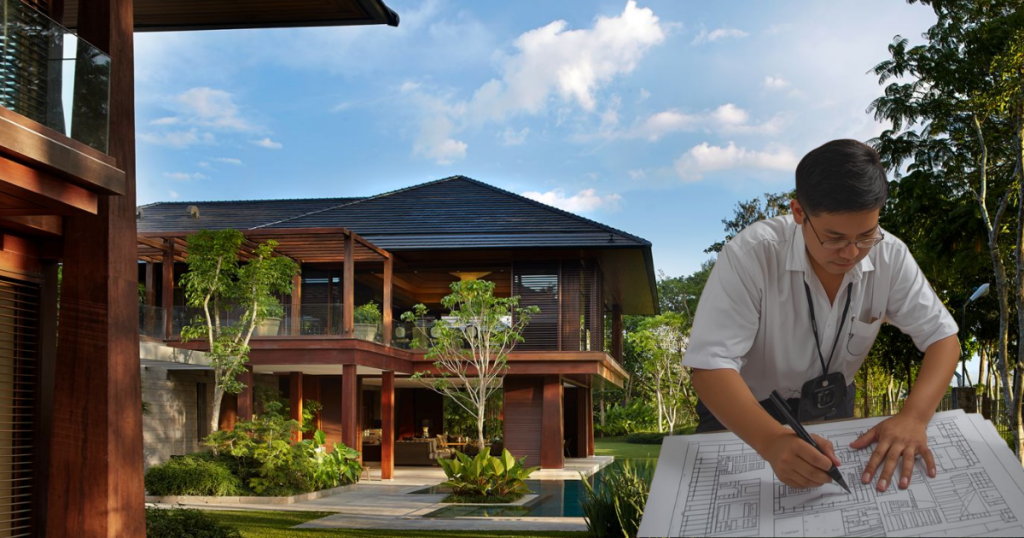
Neo-Vernacular architecture is a modern design philosophy that draws inspiration from traditional building techniques specific to a region while integrating contemporary materials and engineering. For the Philippines, this means adapting the Bahay Kubo’s DNA for modern concrete structures:
- Slope and Ventilation: The traditional Bahay Kubo’s steeply pitched roof was a brilliant response to heavy rain and heat. Neo-vernacular designs adapt this by incorporating high-pitched roofs into concrete buildings, often with “passive cooling” vents that allow hot air to escape through the peak.
- Elevated Living: By mimicking the stilt-based “silong,” modern homes use elevated ground floors to facilitate air circulation underneath the structure, maintaining a naturally cooler indoor temperature.
The Modern Bahay na Bato: Reimagined Facades
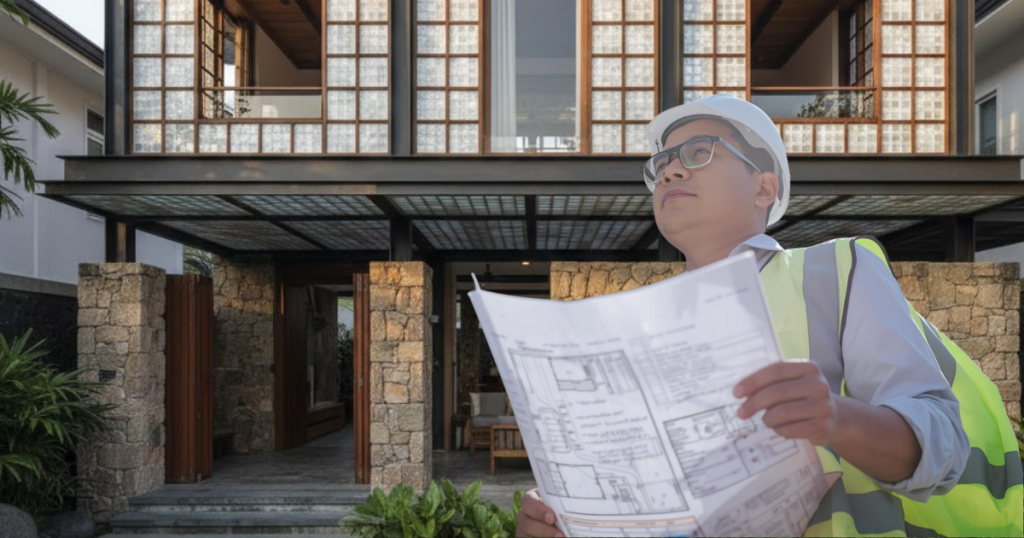
The Bahay na Bato (stone house) was the colonial evolution of the Bahay Kubo. Today’s architects are reviving this spirit by integrating indigenous materials into sleek, contemporary facades:
- Adobe and Natural Stones: Once the foundation of colonial churches, adobe and volcanic stones are now used as captivating accent walls. Their thermal mass helps regulate indoor temperatures, absorbing heat during the day and releasing it at night.
- Capiz Shells: Traditionally used for window panes, capiz is being re-imagined as translucent wall partitions or ceiling accents. They diffuse harsh tropical light into a soft, ambient glow while maintaining the home’s privacy.
Tropical Minimalism: The Salakot and Heat Management
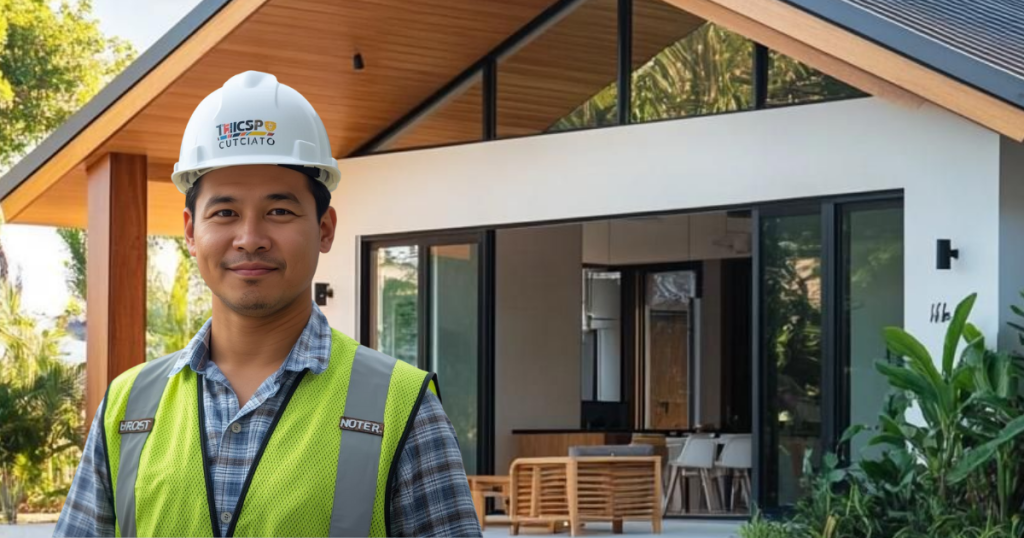
One of the most exciting branches of this movement is Tropical Minimalism. This style proves that “less is more” when designed with the local climate in mind:
- Salakot-Inspired Rooflines: The iconic, broad-brimmed “Salakot” hat inspires roof forms with deep, sheltering eaves. These extended overhangs provide massive shade, protecting glass walls from direct sun and preventing the “greenhouse effect.”
- Wide Eaves and Breezeways: By prioritizing wide eaves and open-plan layouts, these homes facilitate constant cross-ventilation, reducing the need for high-energy air conditioning.
Engineering Heritage: Structural Bamboo
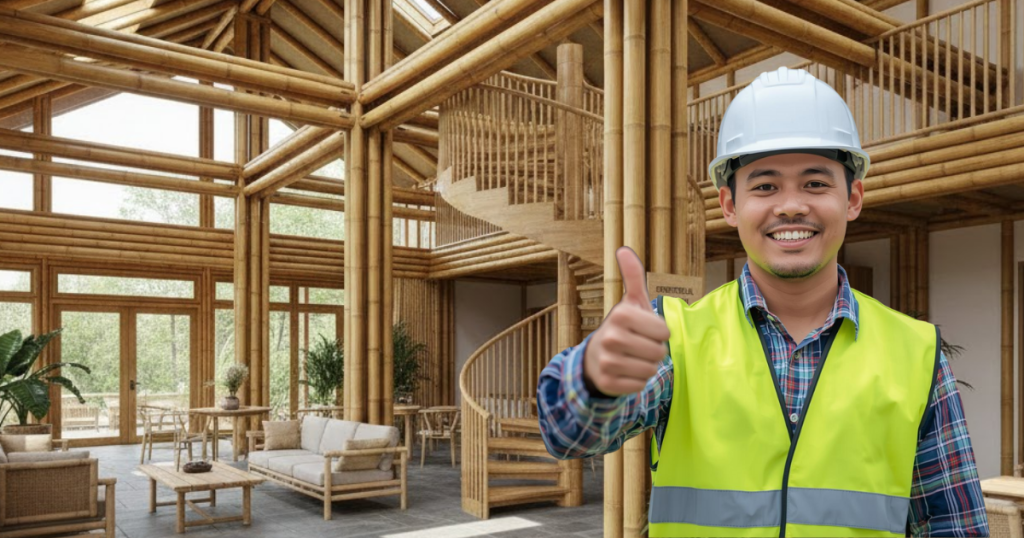
Homeowners are encouraged to blend heritage aesthetics with modern engineering by utilizing treated bamboo. Unlike the raw bamboo of the past, modern bamboo is pressure-treated to be pest-resistant and fire-retardant. When used as a durable structural element—such as in exposed trusses or load-bearing columns—it offers the strength of steel with a carbon-neutral footprint, proving that our oldest material is also our most futuristic.
Beyond the Bahay Kubo lies a future where Filipino homes are not just buildings, but reflections of our cultural identity and environmental wisdom. Neo-Vernacular architecture reminds us that we don’t have to choose between modern luxury and traditional roots. By embracing these innovative designs, we can build spaces that are resilient, sustainable, and uniquely ours.






 Facebook
 Instagram
 Linkedin
 Twitter
 Youtube
