

For those who appreciate the poetry of structures, where steel meets sky and history whispers through stone, a date isn’t just about the company—it’s about the canvas. The Philippines, a nation rich in both heritage and burgeoning modernity, offers a wealth of locations where architecture itself becomes part of the romantic experience. From meticulously preserved colonial towns to contemporary marvels, these spots are perfect for couples who find beauty in design, history, and innovation.
In this article, we curate a list of architecturally stunning date spots, exploring how heritage, modern design, and adaptive reuse converge to create truly unforgettable settings for your next romantic outing. We’ll also pinpoint those “Instagrammable” angles that celebrate the sheer artistry of these spaces.
Where Structure Becomes Art: Heritage Sites and Colonial Grandeur
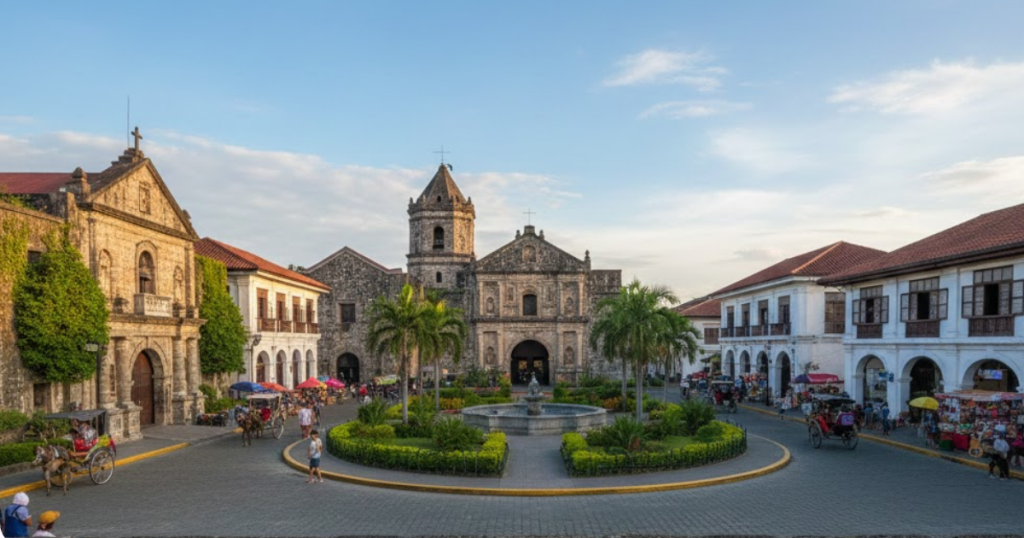
The past offers an undeniable charm, especially when its architecture has been lovingly preserved. These sites transport you to another era, making for a date steeped in history and visual splendor.
- Las Casas Filipinas de Acuzar (Bataan)
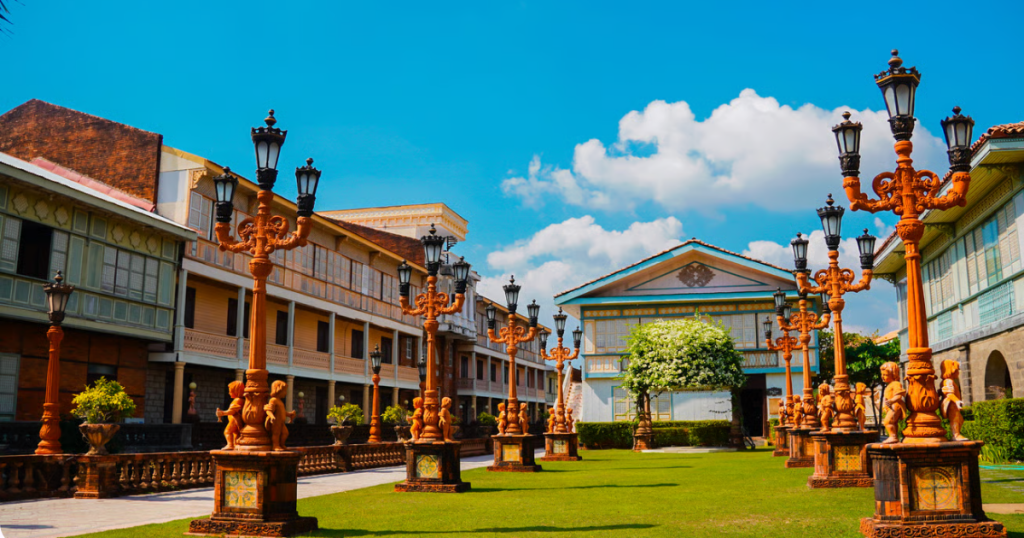
Beyond being a simple resort, this destination functions as a living museum dedicated to the preservation of Filipino architectural history. It features a stunning collection of heritage houses that have been meticulously relocated from their original sites and restored to their former glory. This immersive environment allows visitors to walk through authentic historical structures while appreciating the intricate craftsmanship of a bygone era.- Architectural Highlights: Wander through cobbled streets lined with majestic bahay na bato and quaint wooden structures. Each house tells a story, showcasing intricate woodwork, grand staircases, and capiz shell windows. The Puente de España replica and the Hotel de Oriente, a recreation of the Philippines’ first luxury hotel, are particularly breathtaking.
- Instagrammable Spots: The grand facade of Casa Hagonoy, the vibrant frescoes inside Hotel de Oriente, and the serene views from any of the house balconies overlooking the river.
- Casa Manila (Intramuros, Manila)
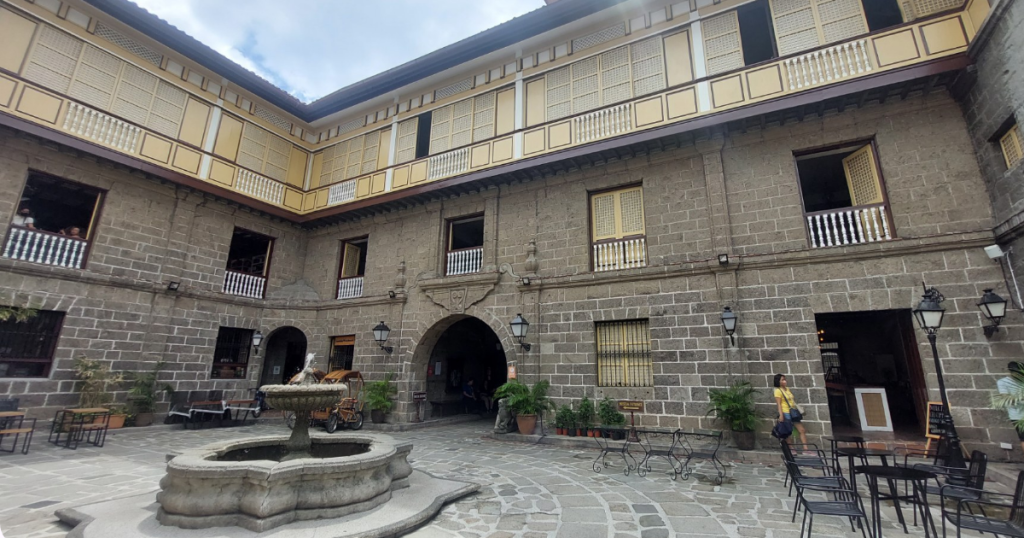
Tucked within the historic walled city of Intramuros, Casa Manila offers a rare and intimate glimpse into the opulent lifestyle of a 19th-century aristocratic Filipino family. This faithfully reconstructed colonial mansion showcases the intricate blend of Spanish and indigenous influences through its grand receiving areas and period-accurate furnishings. By exploring its sprawling rooms and breezy courtyard, visitors can experience the height of social and architectural elegance during the late Spanish colonial period.- Architectural Highlights: A faithful reproduction of a typical bahay na bato, it features period furniture, grand receiving areas, and a picturesque inner courtyard. Pay attention to the ventanillas (small windows below the main windows) and the azotea (open-air terrace).
- Instagrammable Spots: The charming cobblestone courtyard, the ornate sala (living room), and the elegant dining area with its dark wood furniture.
Modern Landmarks: Where Innovation Meets Filipino Identity
The Philippines is also home to contemporary architectural masterpieces that blend modern design principles with a distinctly Filipino spirit.
- National Museum of Fine Arts (Manila)
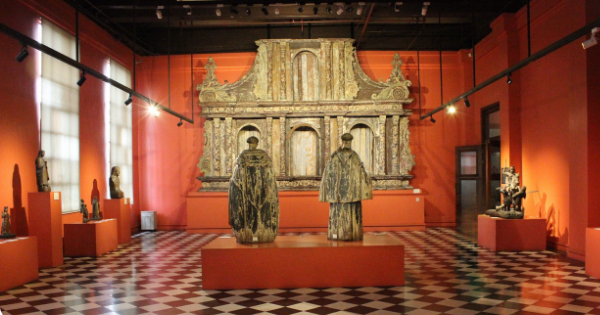
Housed within the Old Legislative Building, a neoclassical marvel, the museum itself serves as a grand architectural work of art even before you view the exhibits. While the exterior commands attention with its majestic columns, it is the internal features that truly shine through masterful preservation and design. Modern interventions like the “Tree of Life” sculpture seamlessly integrate with the historic halls, creating a stunning dialogue between the Philippines’ past and its creative future.- Architectural Highlights: The building’s majestic columns and grand facade are impressive, but step inside to marvel at the iconic “Tree of Life”—a stunning, multi-story metallic sculpture that serves as the central focal point. The grand staircase and galleries, with their natural light, are also noteworthy.
- Instagrammable Spots: The base of the “Tree of Life,” capturing its intricate details against the backdrop of the soaring ceilings. The sweeping curve of the main staircase also provides a dramatic photo opportunity.
- Pinto Art Museum (Antipolo, Rizal)
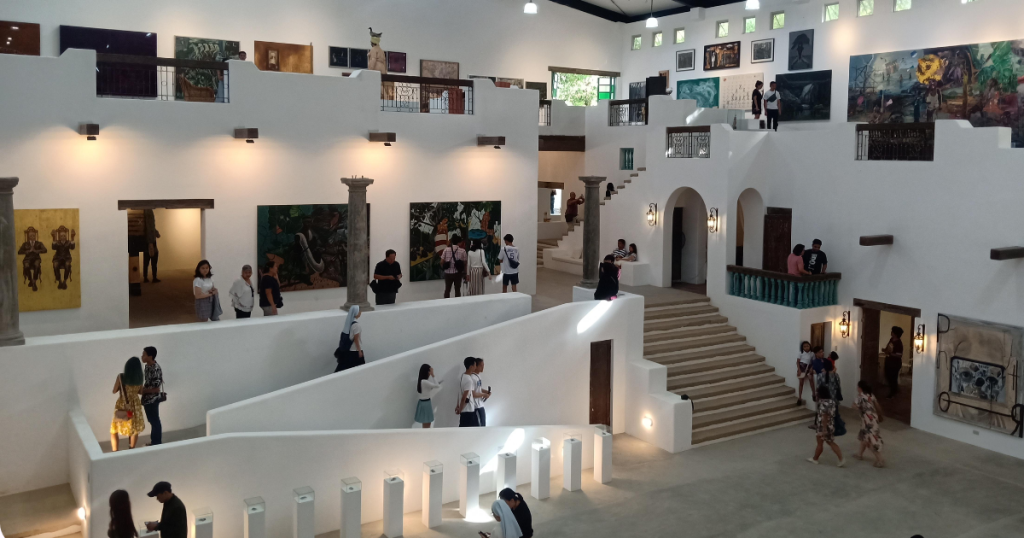
This museum is less about a single building and more about an organic complex of Mediterranean-inspired structures seamlessly integrated with nature. Its sprawling white-washed villas and arched galleries are thoughtfully terraced along the hills of Antipolo to follow the natural contour of the land. By blurring the boundaries between indoor art spaces and lush outdoor gardens, the complex offers a tranquil, flowing experience that highlights the harmony between man-made design and the environment.- Architectural Highlights: White-washed walls, arched doorways, pebble-washed floors, and lush gardens create a tranquil, flowing experience. The open-air galleries, interconnected by winding paths and stairs, make the most of natural light and ventilation, blurring the lines between art and environment.
- Instagrammable Spots: Any of the numerous arched doorways framing the distant cityscape, the winding staircases with their unique shadows, and the serene courtyards.
Adaptive Reuse: Giving History a New Purpose
Adaptive reuse transforms old structures into new, vibrant spaces, honoring their storied past while providing them with a meaningful contemporary function. By repurposing existing bones rather than tearing them down, architects can preserve the historical soul of a city while meeting modern lifestyle demands. This sustainable approach results in unique, layered environments where heritage and innovation live side by side.
- The Nielson Tower (Blackbird Restaurant, Makati City)
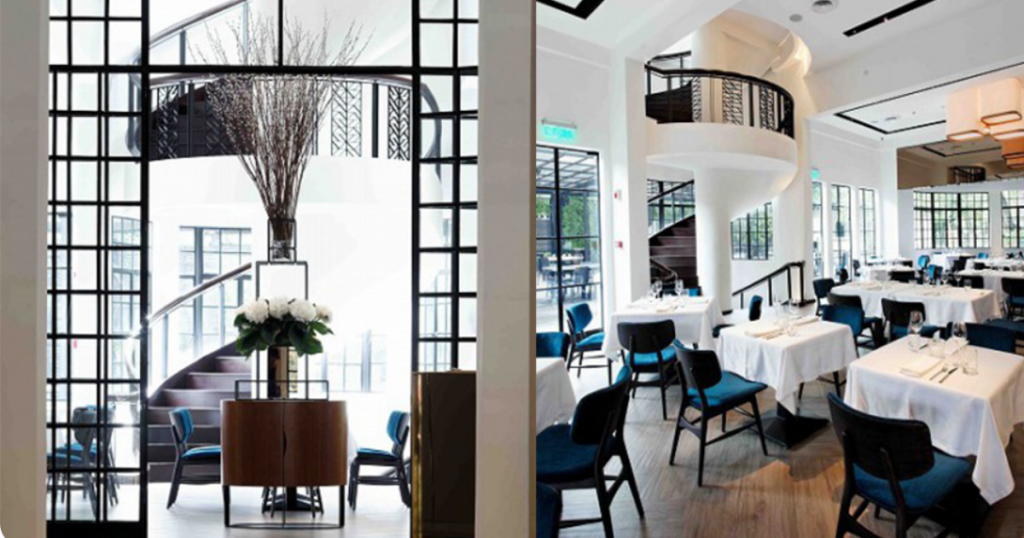
What was once the iconic control tower of the Philippines’ first commercial airport has been transformed into the exquisite fine dining destination known as Blackbird. This masterful example of adaptive reuse preserves the building’s distinctive Art Deco silhouette while repurposing its historic interiors for a sophisticated culinary experience. By dining within this landmark, guests can appreciate the seamless fusion of early 20th-century aviation history and modern luxury.- Architectural Highlights: The iconic Art Deco structure retains its original circular shape and unique architectural details. The transformation into a sophisticated dining space respects its aviation heritage while introducing modern, luxurious interiors. The surrounding park-like setting adds to its allure.
- Instagrammable Spots: The exterior of the Nielson Tower, particularly at dusk when its lights illuminate, capturing its unique silhouette. The sleek interior dining spaces with their aviation-inspired touches also offer great photo ops.
- Art Sector Gallery & Cafe (Binangonan, Rizal)
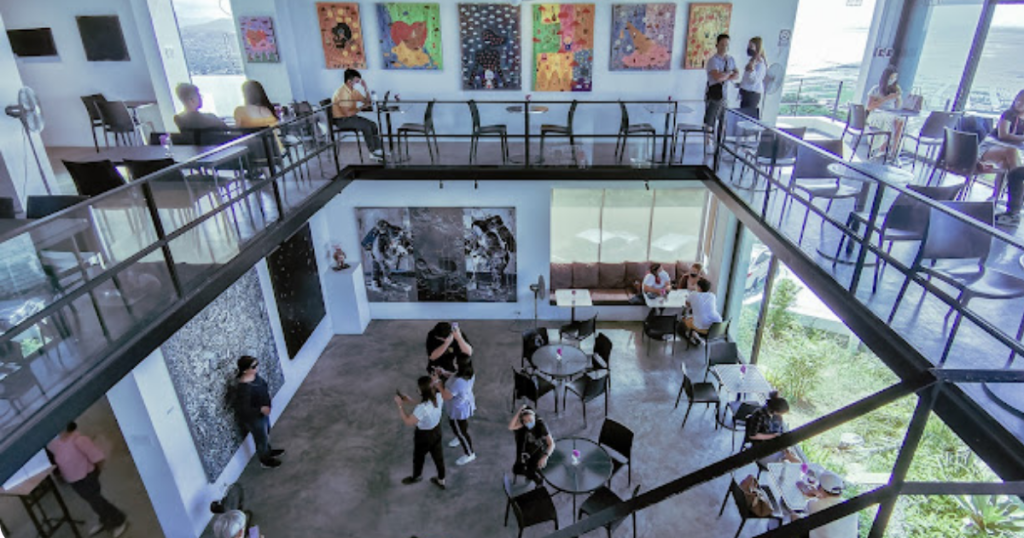
Perched on a cliff, this modern gallery and cafe is built within and around an old, industrial-looking structure to create a dramatic architectural experience. The design cleverly utilizes raw concrete and exposed steel to frame panoramic views of the surrounding landscape and Laguna de Bay. By preserving these rugged elements, the space serves as a striking backdrop that highlights the contrast between industrial heritage and contemporary art.- Architectural Highlights: It features raw concrete, exposed steel, and expansive glass windows that offer breathtaking panoramic views of Laguna de Bay. The interplay of rough textures with sleek modern lines creates a dramatic setting for art and conversation.
- Instagrammable Spots: The floor-to-ceiling windows framing the scenic views, the industrial-chic staircases, and any corner that highlights the juxtaposition of art against raw architectural elements.
- Museo de Intramuros (Manila)
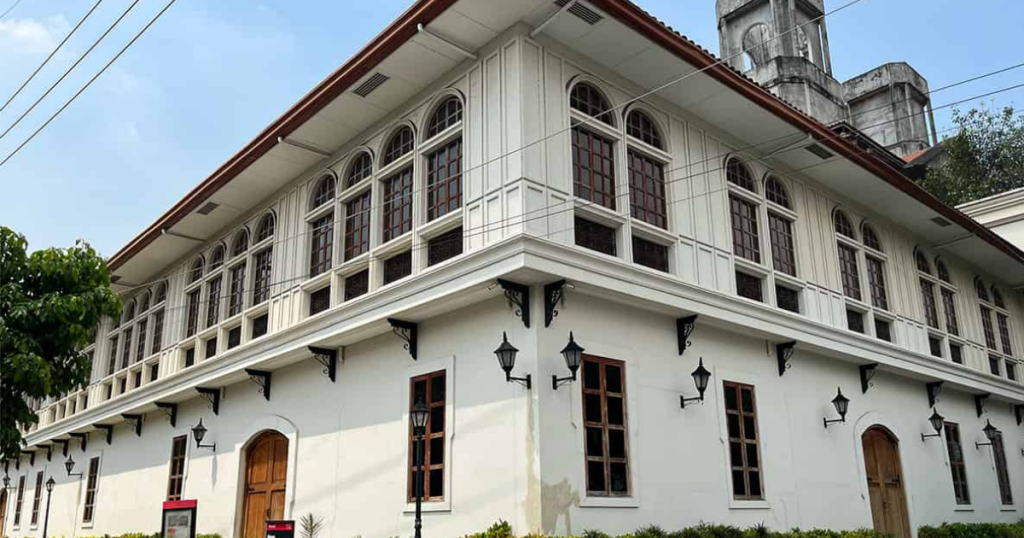
Housed in the reconstructed San Ignacio Church and Convent, this museum serves as a masterful architectural revival dedicated to the preservation of ecclesiastical art. The structure meticulously recreates the neoclassical grandeur of the original 19th-century church, blending historical ruins with modern structural reinforcement. By walking through its soaring halls, visitors can experience the spiritual and artistic heritage of Intramuros in a space that honors its sacred past through contemporary museum design.- Architectural Highlights: The museum beautifully recreates the original structure’s neoclassical facade and grand interiors, featuring high ceilings, intricate carvings, and a serene ambiance. The blend of historical reconstruction with modern exhibition design is remarkable.
- Instagrammable Spots: The grand entrance, the solemn main hall with its impressive displays, and the quiet corridors that invite contemplation.
For anyone who appreciates the artistry of spaces, these architectural gems offer more than just a place to dine or visit—they offer an experience. From the storied halls of Las Casas to the innovative curves of modern museums, the Philippines is a treasure trove of design inspiration. So, for your next date, step beyond the ordinary and let the stunning architecture of these spots frame your special moments. After all, love, like great architecture, is built to last.








 Facebook
 Instagram
 Linkedin
 Twitter
 Youtube
