
In the bustling world of Philippine construction, where innovation constantly reshapes skylines, it’s invaluable to pause and draw wisdom from the masters who laid the groundwork. This edition of Buhay Builder shines a spotlight on National Artist for Architecture, Leandro V. Locsin, whose monumental concrete works continue to inspire awe.
In this article, we will profile Locsin’s “Floating Volume” technique, describe how to achieve his distinct concrete textures using specific formwork, and discuss how his principles of structural honesty can be applied to modern residential projects to elevate standard concrete work.
The Magic of “Floating Volume”: Making Concrete Dance
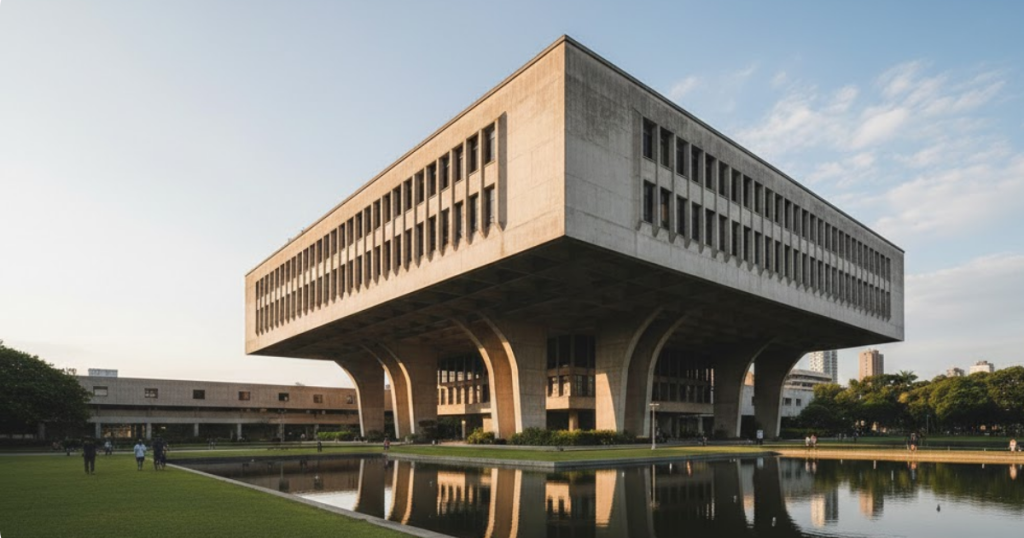
Leandro Locsin fundamentally redefined the perception of concrete by making a heavy material feel remarkably weightless. Through his signature “Floating Volume” technique, he designed massive, imposing blocks that appear to hover ethereally above the ground. This architectural paradox was achieved by recessing the ground floor and utilizing immense cantilevers, which draw the eye upward and create a sense of structural defiance.
Locsin masterfully employed several strategies:
- Elevated Bases: Many of his structures, like the Cultural Center of the Philippines (CCP), are lifted off the ground by robust, sculptural supports. This creates a sense of the main volume hovering, detaching it from the earth.
- Deep-set Windows and Recesses: Instead of flush surfaces, Locsin often recessed windows deeply. This created heavy shadows that further emphasized the “floating” effect of the upper concrete mass.
- Massive Cantilevers: By extending the upper floors far beyond the support columns, Locsin made the primary concrete mass appear to defy gravity.
Pro-Tip for Contractors: Consider how the base of your structure interacts with the ground. Even in small-scale builds, using setbacks or deep shadow lines at the foundation level can reduce the “bulky” look of a concrete structure.
The “Locsin Texture”: A Signature Finish
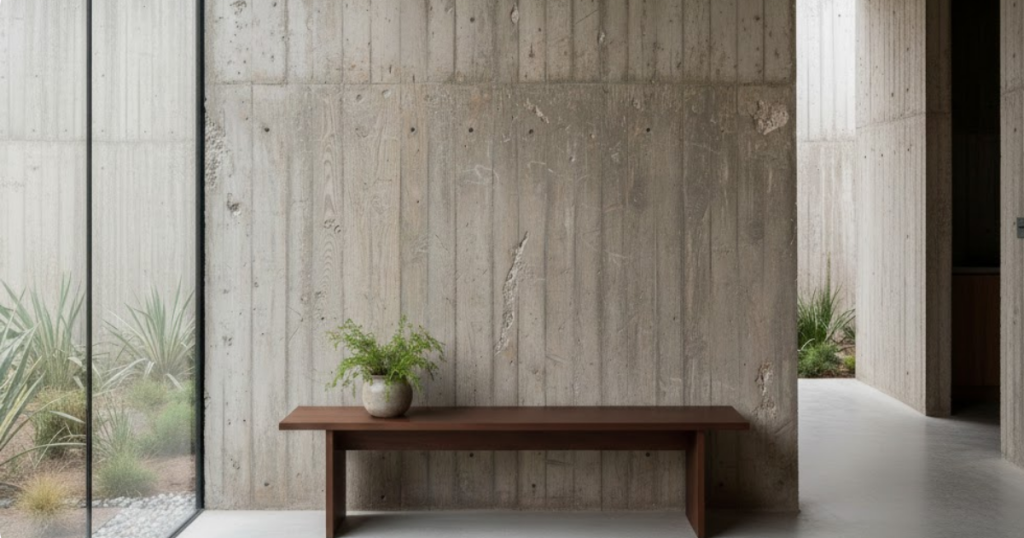
Beyond its imposing shape, Locsin’s architecture is defined by a mastery of surface and material. He pioneered a distinct “Locsin texture” through a raw, tactile concrete finish that intentionally celebrates the rugged character of the medium. This approach stands in stark contrast to the smooth, plastered, and painted surfaces typically found in conventional modern developments.
How to achieve the look:
- Formwork Selection: Locsin often utilized rough-sawn lumber or untreated plywood for his formwork. When the concrete cured, the natural wood grain and imperfections transferred onto the surface.
- Aggregate Choice: Using local aggregates and ensuring a consistent mix design is vital. While the aggregate is usually bound within the matrix, its quality affects the color and “honesty” of the raw finish.
- Minimal Finishing: The goal is to showcase the concrete as it is. After stripping the forms, avoid heavy rendering. Instead, use a clear matte sealer to protect the surface while preserving the “poured” look.
Structural Honesty and Brutalist Grace
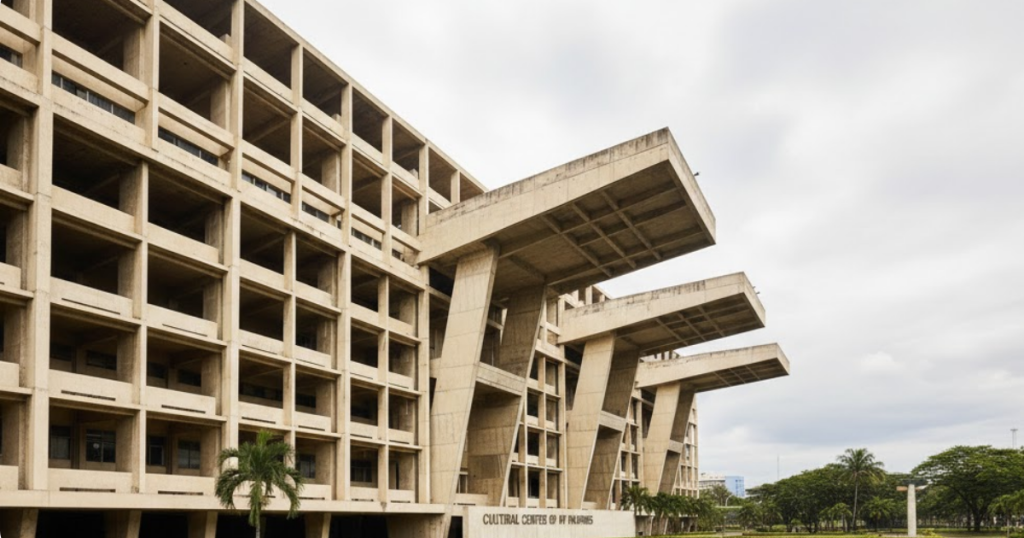
Leandro Locsin’s architectural mastery represents the definitive peak of Philippine Brutalism, characterized by its use of raw concrete and imposing, massive forms. Despite the heavy nature of these materials, his designs achieve a unique sense of grace by celebrating the building’s inherent structural logic. By refusing to hide the “skeleton” of his work, he transformed engineering necessity into a profound aesthetic statement.
- Visible Support: He never hid the “skeleton” of the building. Beams, columns, and slabs were celebrated as integral parts of the design.
- The Power of the Cantilever: For Locsin, the cantilever wasn’t just a balcony; it was a grand gesture. It showed the world what concrete was truly capable of when pushed to its engineering limits.
Applying Locsin’s Principles to Modern Residential Projects
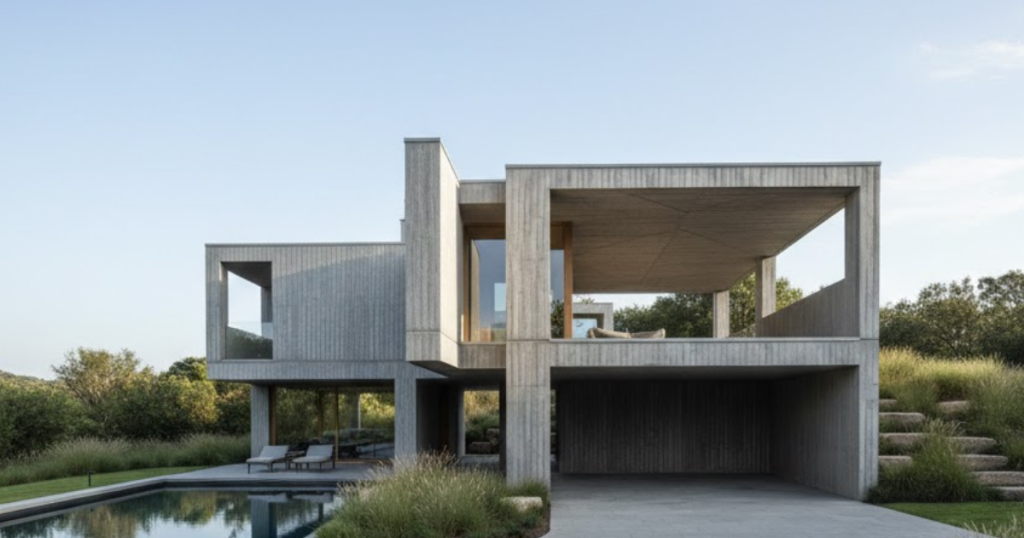
Translating Locsin’s grand Brutalist principles into smaller scales requires shifting the focus from “massive size” to “structural integrity.” Even in a standard residential house or a small commercial unit, these concepts can be applied to create a space that feels both grounded and sophisticated.
- Textured Feature Walls: Instead of painting an exterior wall, use timber-formwork to create a vertical wood-grain texture in the concrete itself. It creates a high-end, architectural feel that requires zero repainting.
- Exposed Structural Elements: In modern industrial-style homes, leave the soffits (ceilings) and main columns as raw concrete. Ensure the formwork is perfectly aligned so the “honesty” of the build is the primary decoration.
- Cantilevered Overhangs: Use a bold concrete cantilever for a carport or a second-floor balcony. This eliminates the need for cluttered corner posts and gives the home a sleek, “floating” profile.
Leandro Locsin showed us that concrete is not just a utilitarian building material but a medium for profound architectural expression. By mastering these techniques, today’s contractors can move beyond mere construction to create truly impactful and beautiful spaces.






 Facebook
 Instagram
 Linkedin
 Twitter
 Youtube
