
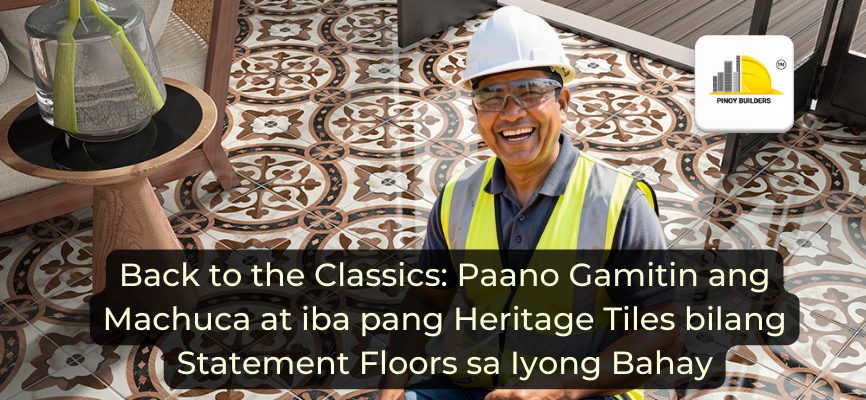
In an era dominated by sleek, minimalist designs, there’s a growing appreciation for the enduring charm of the past. Filipino homeowners are increasingly looking “back to the classics,” discovering the timeless elegance of heritage cement tiles. Among these, Machuca tiles stand out—beautiful, handcrafted, and steeped in history. These vibrant, patterned tiles are more than just flooring; they are a statement, an homage to Filipino artistry that can transform any modern home into a space of unique character and warmth.
In this article, we will trace the rich history of Machuca tiles, guide you through selecting patterns that complement contemporary spaces, and provide essential tips for installation and maintenance to ensure your heritage floors remain stunning for generations.
A Glimpse into History: The Enduring Legacy of Machuca Tiles
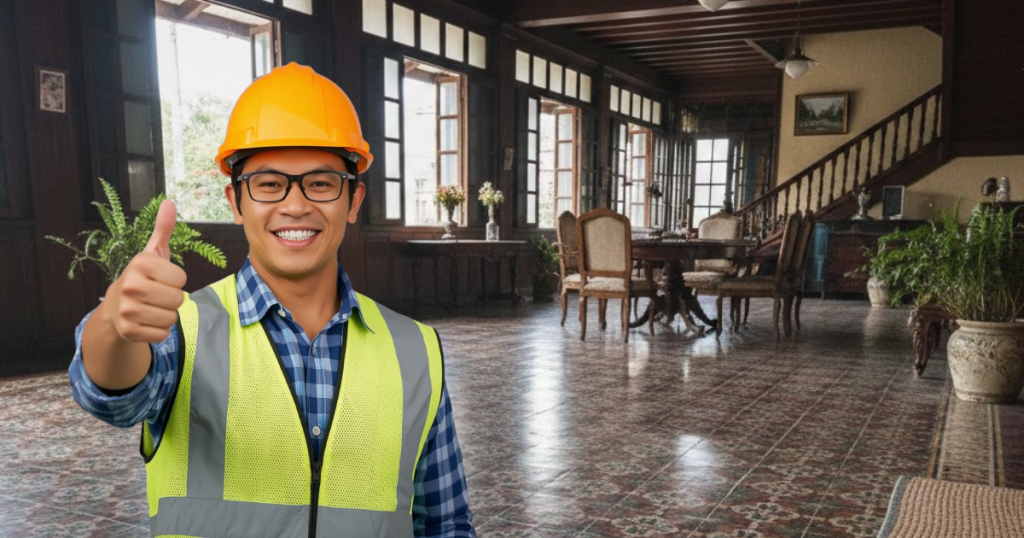
Machuca tiles, or baldosas hidraulicas, arrived in the Philippines during the late 19th century, brought by the Spanish. These aren’t your average ceramic tiles; they are handmade cement encaustic tiles, known for their durability and the way their colors deepen with age. The name “Machuca” became synonymous with these tiles in the Philippines due to the prominent Machuca family, who were among the pioneering manufacturers and suppliers. Their intricate geometric and floral patterns graced the floors of ancestral homes, churches, and government buildings, becoming an integral part of Filipino architectural heritage.
Today, while modern replicas exist, authentic heritage tiles or newly manufactured Machuca-style tiles continue to be produced using the same traditional, labor-intensive methods. When selecting geometric patterns for your space:
- For Small Modern Spaces: Opt for simpler, less intricate geometric designs. A two-tone pattern or a repeating motif with ample negative space can add character without overwhelming the area.
- Color Palette: Stick to a limited color palette (2-3 colors) that complements your existing modern furnishings. Monochromatic or analogous color schemes can create a cohesive look while still making a statement.
- Strategic Placement: Consider using a bold pattern only in a defined zone, like a foyer or a powder room, rather than sprawling it across an entire open-plan area. This creates a “rug effect” without permanent commitment everywhere.
Laying the Foundation: Cement Tile Installation
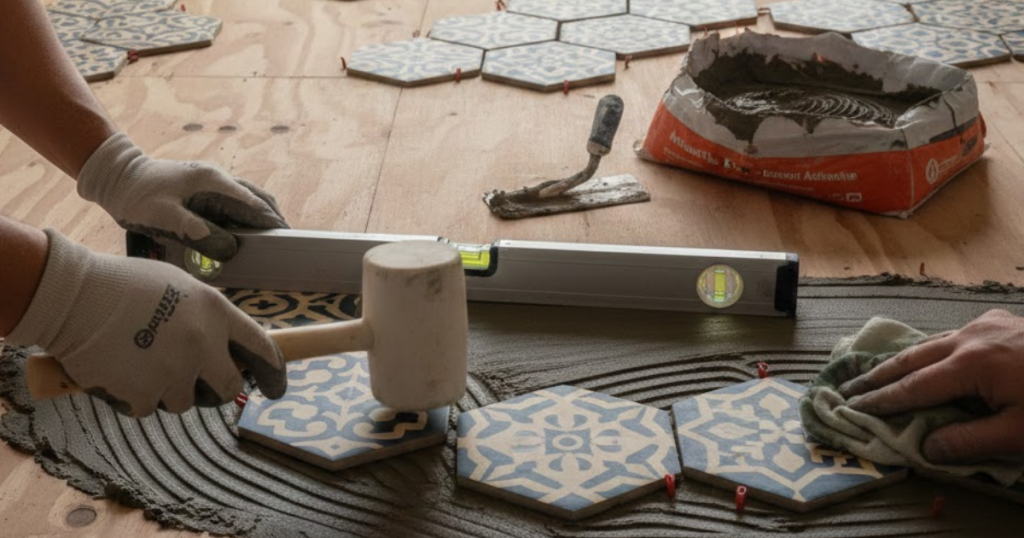
Installing cement tiles like Machuca is a nuanced process that significantly differs from laying standard ceramic tiles. Precision and patience are paramount to achieve a flawless, lasting finish.
- Preparation is Key:
- Acclimatization: Store the tiles in the room where they will be installed for at least 24-48 hours. This allows them to adjust to the room’s temperature and humidity, preventing warping or cracking after installation.
- Subfloor: Ensure the subfloor is perfectly level, clean, and completely dry. Any imperfections will telegraph through the cement tiles.
- Layout: Dry-lay your tiles first to finalize your pattern and cut pieces. This is crucial for patterned tiles to ensure continuity and visual balance.
- The Mortar Difference:
- Specialized Mortar: Use a high-quality, flexible cement-based tile adhesive specifically designed for absorbent, handmade tiles. Avoid thin-set mortars meant for ceramic tiles.
- Thick Bed Application: Cement tiles are thicker and heavier. Apply a generous, even layer of mortar to both the subfloor and the back of the tile (back-buttering) to ensure maximum adhesion and prevent air pockets. This technique helps prevent future cracking.
- Gentle Tapping, Not Pounding:
- Leveling: Use a rubber mallet and a leveling tool to gently tap each tile into place, ensuring it is perfectly flush with its neighbors. Avoid heavy pounding, which can damage the tile’s delicate surface or internal structure.
- Grout Lines: Maintain consistent, narrow grout lines (typically 1-2mm) for an authentic heritage look. Use spacers to ensure uniformity.
- Immediate Cleaning:
- Wipe off any excess mortar or adhesive from the tile surface immediately with a damp cloth. Dried cement can be incredibly difficult to remove without damaging the tile.
Preserving Beauty: Maintenance, Sealing, and Polishing
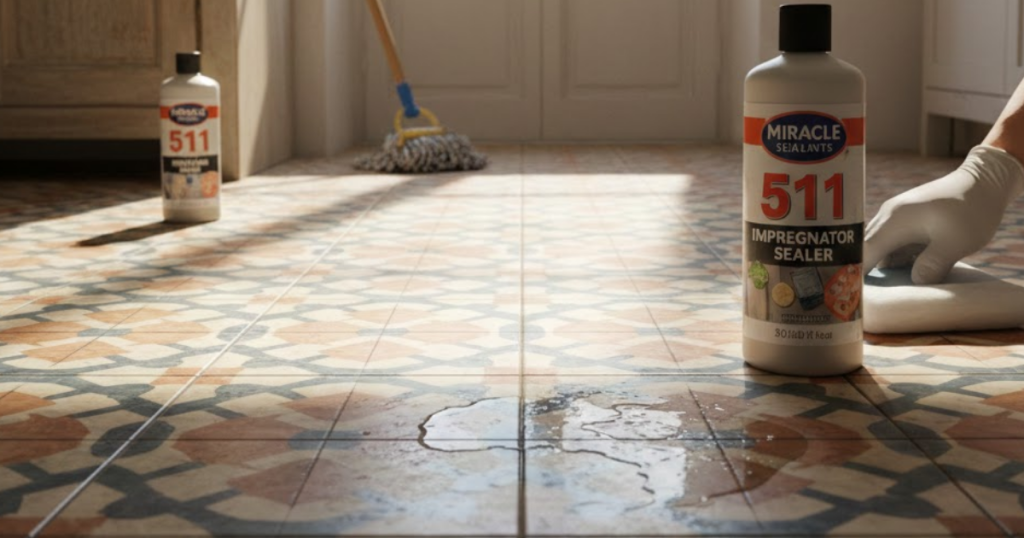
The rich colors of Machuca tiles are porous, meaning they require specific care to remain vibrant and stain-resistant for decades.
- Initial Sealing (Crucial!):
- Before Grouting: It is highly recommended to apply a penetrating sealer to the tiles before grouting. This prevents grout from staining the porous surface.
- After Grouting: Once the grout has cured (usually 24-48 hours), thoroughly clean the entire floor and apply a second, heavier coat of high-quality penetrating sealer. This forms the primary protective barrier against stains and moisture. Follow manufacturer instructions for application and curing times.
- Regular Cleaning:
- Use pH-neutral cleaners specifically designed for natural stone or cement tiles. Avoid harsh acidic or alkaline cleaners, as these can etch the surface and strip the sealer.
- Mop regularly with warm water and a soft cloth or sponge.
- Re-sealing:
- Depending on foot traffic and the quality of the initial sealer, re-seal your floors every 2-5 years. A simple “water bead test” can indicate if re-sealing is needed: if water no longer beads on the surface, it’s time to re-seal.
- Polishing (Optional):
- For an enhanced sheen and added protection, especially in high-traffic areas, you can apply a specialized cement tile wax or polish after the sealer has fully cured. This can be reapplied periodically to maintain luster.
Statement Zones: Maximizing Aesthetic Impact
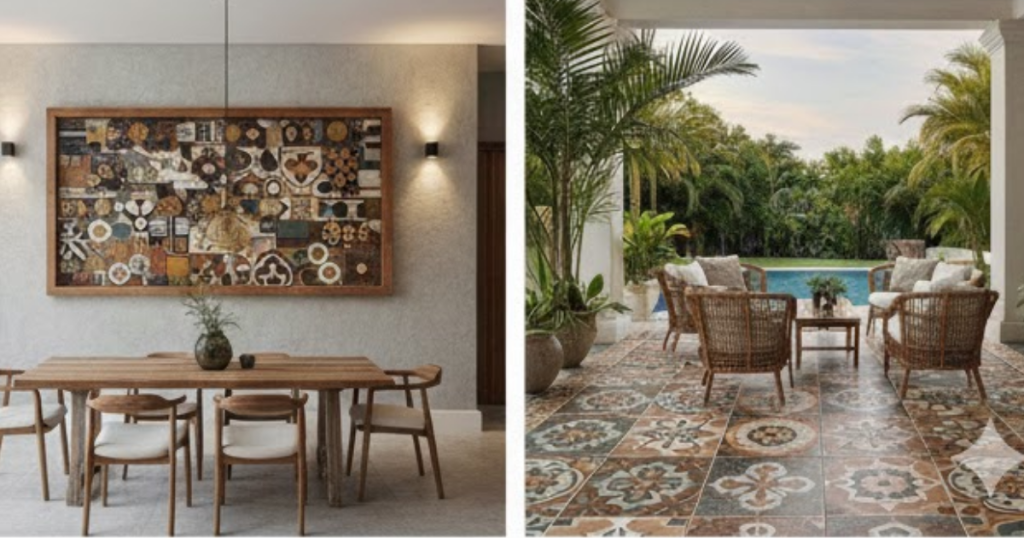
While Machuca tiles are beautiful, using them strategically can maximize their aesthetic impact and enhance your property’s value without overwhelming your home’s overall design.
- Foyers and Entryways: This is the perfect zone to make a grand first impression. A beautifully patterned heritage tile floor in the foyer immediately sets a unique tone for your home.
- Kitchen Backsplashes and Islands: For a more contained statement, use heritage tiles as a backsplash behind your stove or to clad the front of a kitchen island.
- Powder Rooms and Small Bathrooms: These smaller spaces can handle bolder, more intricate patterns without feeling cramped. A heritage tile floor here adds an unexpected touch of luxury and charm.
- Lanais and Patios: For covered outdoor areas, Machuca tiles are a durable and visually stunning choice, seamlessly blending indoor elegance with outdoor living.
- Feature Walls: Consider using a framed section of patterned tiles as an art piece or a unique feature wall in a dining area or hallway.
Machuca tiles and other heritage cement tiles are more than just a flooring option; they are a bridge to our past, a canvas for artistry, and a statement of discerning taste. By understanding their history, mastering their installation, and committing to their proper care, you can bring a piece of timeless Filipino elegance into your modern home. These floors will not only enhance your living space but also tell a story, inviting admiration for generations to come. Embrace the classic, make your statement, and let your floors speak volumes about enduring beauty.








 Facebook
  Instagram
  Linkedin
  Twitter
  Youtube