
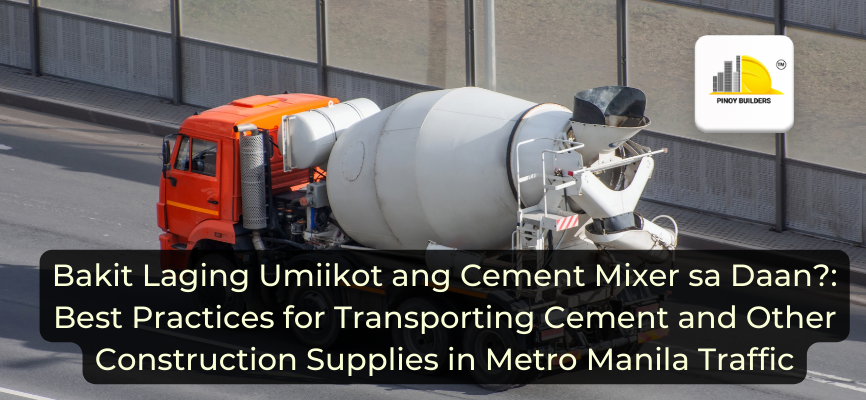
Have you ever found yourself stuck in Metro Manila traffic, wondering why that massive cement mixer next to you keeps its drum spinning? It’s not just for show! That continuous rotation is a crucial safety and quality measure in the world of construction. Let’s delve into the science and best practices for transporting construction materials in our bustling city.
In this article, we will break down the science behind the spinning drum, explore the logistics of navigating truck bans and narrow streets, discuss the critical role of timing for temperature-sensitive materials, and establish emergency protocols for handling stalled mixers or shifted loads on the road.
The Science Behind the Spinning Drum
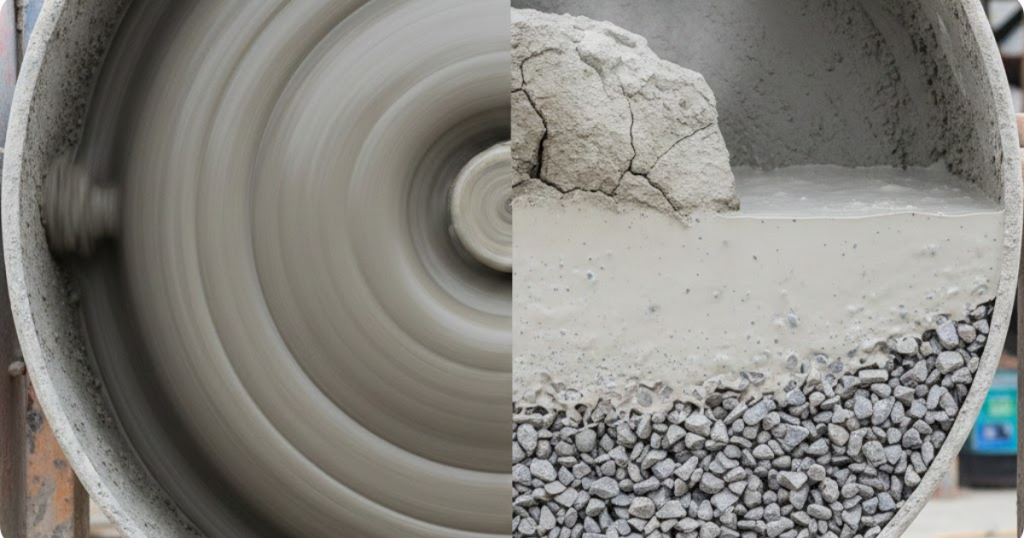
The primary reason a cement mixer drum constantly rotates is to prevent concrete segregation and premature hardening. Concrete is a delicate mixture of cement, aggregates (sand and gravel), and water. Without constant agitation:
- Segregation: The heavier aggregates would sink to the bottom, and the lighter cement paste would rise to the top, creating an inconsistent and weak concrete mix.
- Premature Hardening: The chemical reaction between cement and water (hydration) begins the moment they mix. Continuous rotation keeps the mixture homogenous and delays the setting process, ensuring the concrete remains workable until it reaches its destination.
- Consistency: The spinning action maintains a uniform consistency, which is vital for the concrete’s strength and durability once poured.
Understanding this science is the first step in appreciating the importance of proper handling during transport.
Strategizing Logistics Planning in Metro Manila Traffic
Gemini said
Navigating construction material transport in Metro Manila requires meticulous planning to overcome the city’s unique logistical hurdles. Strategic success depends on mastering complex truck ban schedules and conducting thorough route reconnaissance for narrow streets. By prioritizing these elements, logistics managers can ensure heavy loads reach their destination safely and on time.
1. Truck Ban Awareness and Alternative Routes
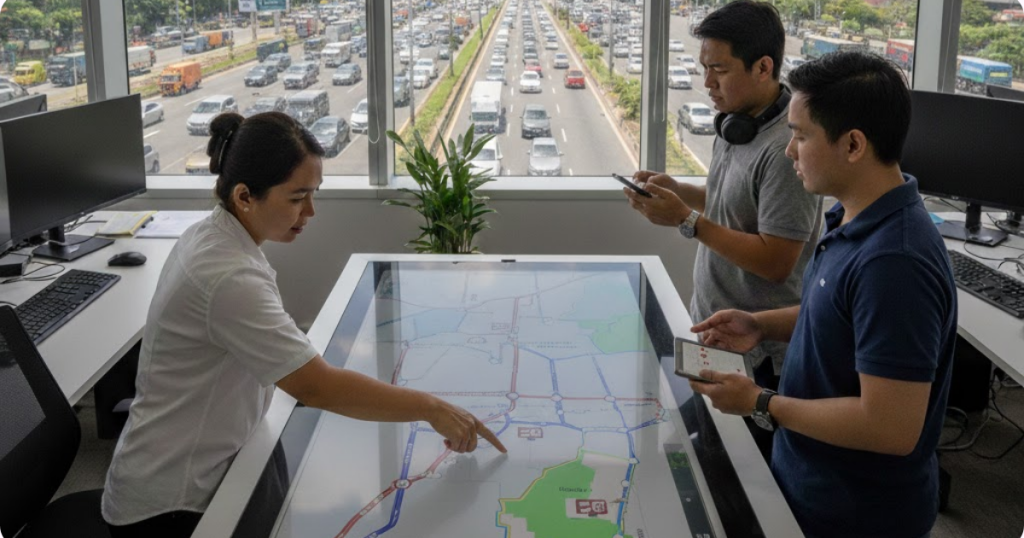
- Stay Updated: Metro Manila has strict truck ban schedules. Logistics managers must have the latest information on these bans and plan routes accordingly.
- Off-Peak Hours: Whenever possible, schedule deliveries during off-peak hours or weekends to avoid heavy traffic and truck ban restrictions.
- Mapping and Reconnaissance: Utilize GPS and conduct physical route reconnaissance to identify narrow streets, low bridges, and potential bottlenecks. Have alternative routes mapped out for unforeseen circumstances.
2. Securing Heavy Loads (Steel, Pipes, and Equipment)
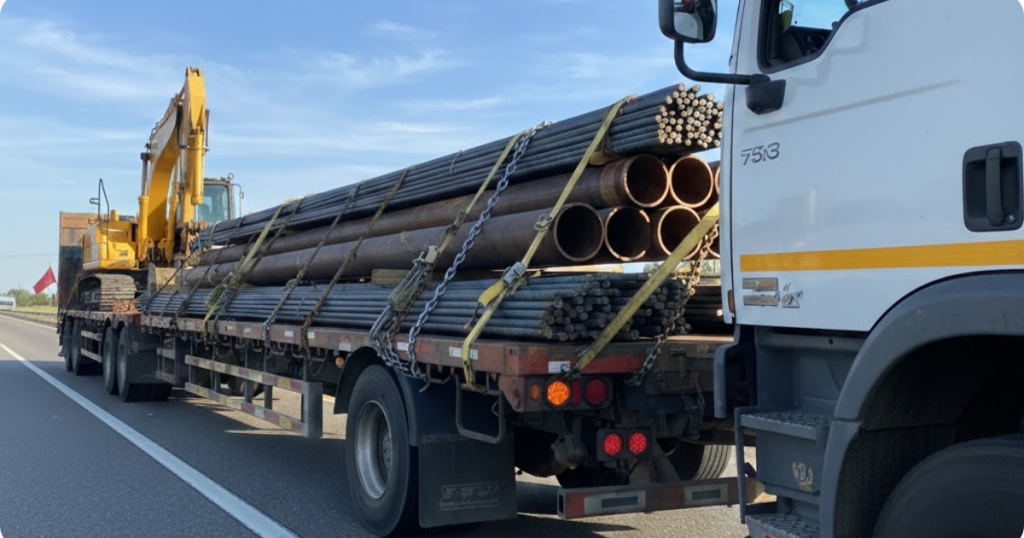
- Proper Lashing: Steel bars, pipes, and other heavy equipment must be securely lashed down using appropriate chains, straps, and binders.
- Weight Distribution: Ensure even weight distribution across the truck bed to maintain stability, especially when navigating turns or uneven roads.
- Overhang Regulations: Adhere to local regulations regarding load overhangs to prevent accidents and ensure compliance.
- Regular Checks: Drivers should perform regular checks of the load during transit, especially after sudden stops or rough terrain.
Timing is Everything: Maintaining Material Quality
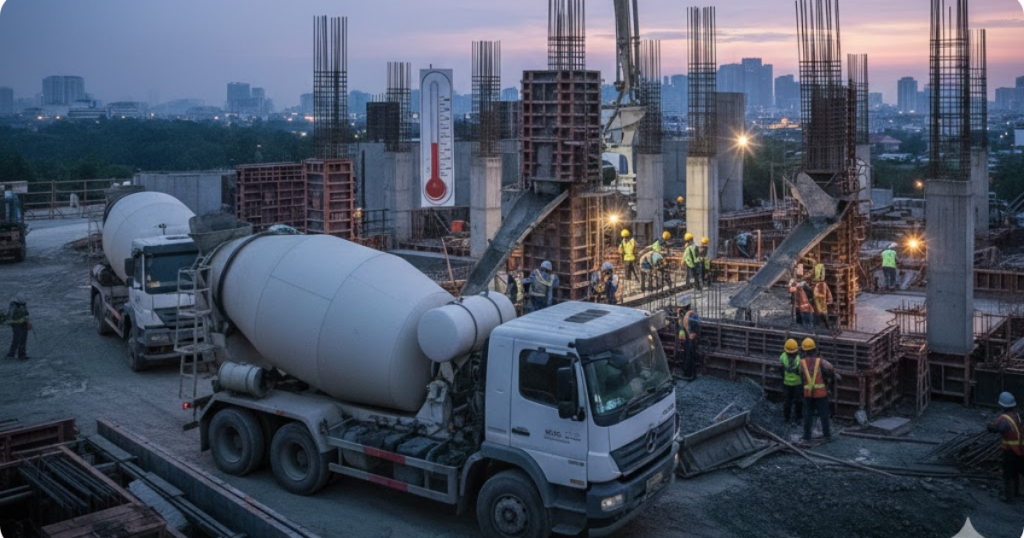
The timing of deliveries is a critical factor in construction, as temperature-sensitive materials like concrete depend on specific thermal conditions to reach their maximum design strength. In the intense heat of Metro Manila, scheduling transport during cooler windows prevents the mixture from drying too quickly and cracking. Proper timing ultimately ensures that the chemical integrity of the materials is preserved from the batching plant all the way to the job site.
- Concrete: As discussed, hydration is temperature-dependent. Delivering concrete during the hottest parts of the day can accelerate hardening, reducing its workability and final strength. Night or early morning deliveries are often preferred to maintain optimal temperature.
- Admixtures: Some concrete admixtures also have temperature sensitivities that can affect their performance.
- Other Materials: While not as critical as concrete, extreme temperatures can affect the integrity of other materials like certain types of sealants, adhesives, or even some timber products if exposed for prolonged periods.
Justifying night versus day deliveries is not just about avoiding traffic; it’s a critical step in preserving the chemical and physical properties of the materials being transported.
Emergency Protocols: Ready for Anything
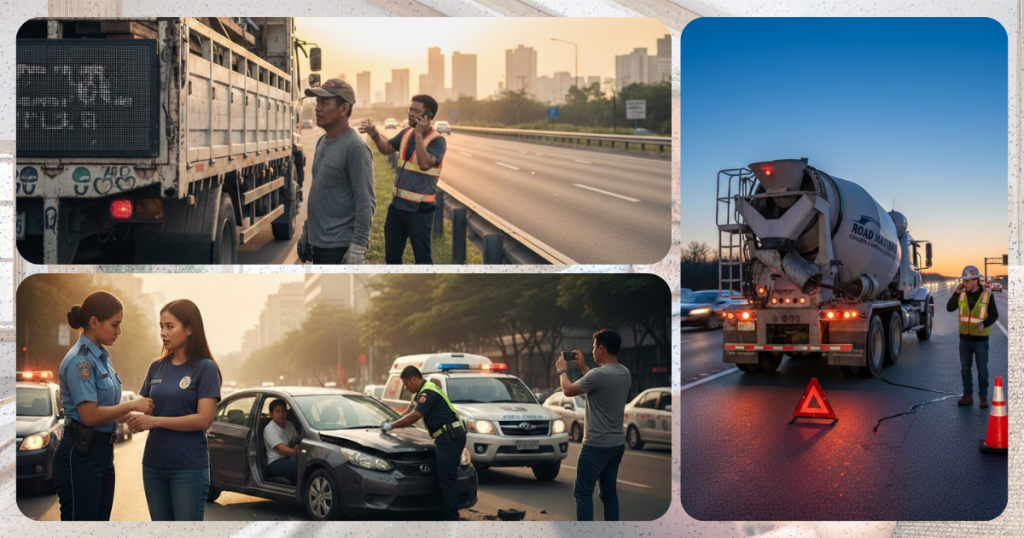
For Drivers:
- Stalled Mixer:
- Immediately activate hazard lights and place warning triangles/cones a safe distance behind the vehicle.
- Contact dispatch/logistics manager immediately, providing precise location and nature of the issue.
- Do not attempt complex repairs unless trained and equipped. Prioritize safety and traffic management.
- Shifted Load:
- Pull over to the safest possible location.
- Assess the load carefully. If it can be re-secured safely, do so. If not, contact dispatch.
- Never drive with a dangerously shifted load.
- Accident:
- Ensure personal safety and the safety of others.
- Contact emergency services (police, ambulance) immediately.
- Inform dispatch.
- Document the scene with photos if safe to do so.
For Logistics Managers:
- Communication Hub: Be the central point of contact for drivers and emergency services.
- Rapid Response: Have a clear plan for sending mechanics, recovery vehicles, or replacement transport.
- Site Notification: Inform the construction site about potential delays and revised estimated times of arrival.
- Route Diversions: Be prepared to provide drivers with alternative routes in case of road closures or severe congestion.
- Regular Training: Conduct regular emergency protocol training for all drivers and logistics staff.
Driving Towards Safer Construction
Transporting construction materials in a dense urban environment like Metro Manila is a complex task that demands scientific understanding, strategic planning, and robust emergency preparedness. From the continuous rotation of a cement mixer drum to the careful lashing of steel pipes, every detail contributes to the safety of our roads and the quality of our infrastructure. By adhering to these best practices, we ensure that our construction projects proceed efficiently and safely, building a stronger future for the metropolis.





 Facebook
  Instagram
  Linkedin
  Twitter
  Youtube