

Many homeowners notice that doors become stubborn, “heavy,” or difficult to latch, specifically during colder months or rainy seasons. This isn’t just a coincidence; it is a result of a physical phenomenon known as Thermal Expansion and Contraction, combined with the unique properties of construction materials.
In this article, we explore the science behind sticking doors, how temperature fluctuations impact different building materials, and practical solutions to keep your home’s entryways functioning smoothly during the winter months.
The Science: Thermal Expansion and Contraction
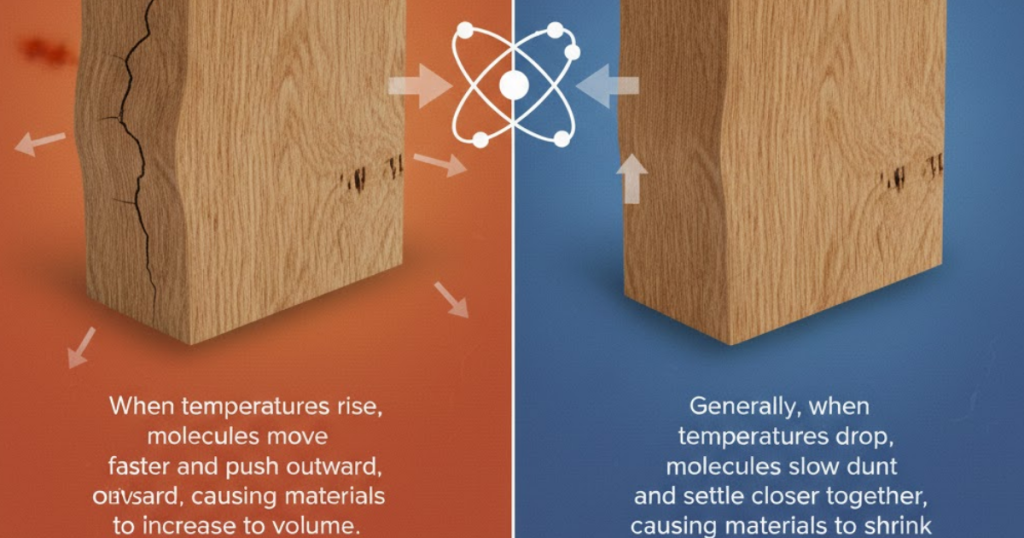
All physical matter, including wood, metal, and concrete, consists of microscopic molecules. These molecules are constantly reacting to the temperature of their surrounding environment. As a result, even the sturdiest construction materials are subject to physical changes whenever the weather shifts.
- Thermal Expansion: When temperatures rise, molecules move faster and push outward, causing materials to increase in volume.
- Thermal Contraction: Generally, when temperatures drop, molecules slow down and settle closer together, causing materials to shrink.
In home construction, however, the interaction between different materials (like a wood door inside a metal frame) can lead to mechanical issues when the weather shifts.
How Temperature Affects Wood vs. Metal
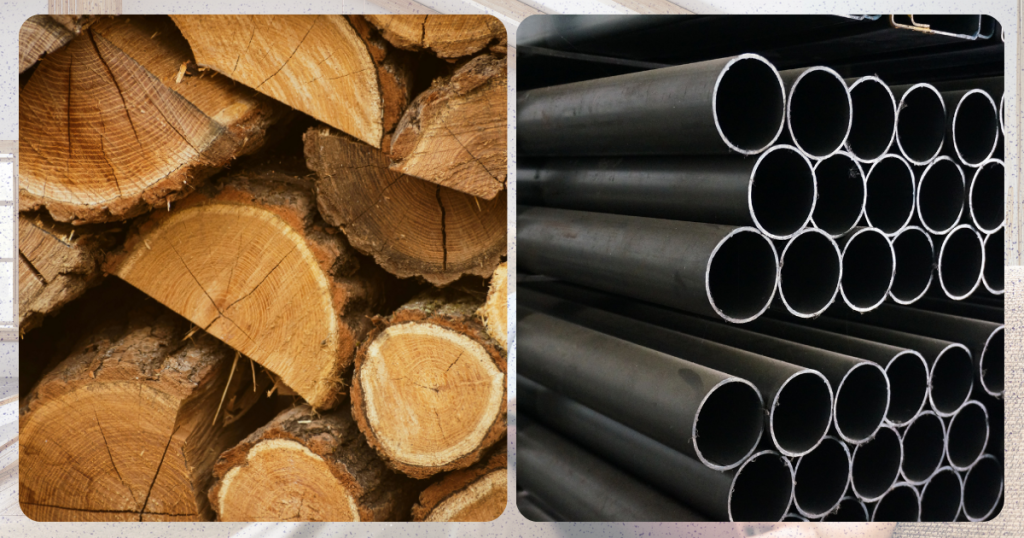
Although most materials typically shrink when exposed to cold temperatures, wood often acts as an exception to this rule. Its physical behavior is heavily influenced by external atmospheric conditions rather than temperature alone. Specifically, wood tends to react more to the moisture and humidity levels that frequently accompany cold weather.
- Wooden Doors (The Moisture Factor): Cold weather is often accompanied by high humidity or rain. Wood is a “hygroscopic” material, meaning it acts like a sponge. Even if the temperature suggests the wood should shrink, the high moisture content in the air causes the wood fibers to swell. This expansion makes the door too large for its frame.
- Metal Frames and Doors: Metal is highly sensitive to temperature. In cold weather, a metal door frame may undergo contraction (shrinking). If the frame shrinks while the wooden door is swelling from moisture, the clearance between the two disappears, causing the door to stick.
Common Issues Homeowners Face in Cold Weather
When these materials shift, they create several functional problems:
- Sticking and Dragging: The door rubs against the floor or the side of the jamb, requiring extra force to move.
- Misaligned Latches: Because the door has shifted or swollen, the deadbolt or latch may no longer line up with the strike plate hole.
- Gaps and Drafts: If a material contracts too much, it can create openings that let cold air into the house, reducing energy efficiency.
Practical Tips to Prevent Sticking Doors
To keep your doors functioning smoothly year-round, consider these maintenance steps:
- Seal All Six Sides: Ensure that the top, bottom, and side edges of a wooden door are painted or varnished. Unsealed edges are the primary entry points for moisture.
- Check the Hinges: Sometimes “sticking” is just a loose screw. Tighten the hinge screws to ensure the door is sitting perfectly square in the frame.
- Lubricate Hardware: Use silicone spray or graphite lubricant on hinges and locking mechanisms to prevent them from seizing up in low temperatures.
- Dehumidify: Using a dehumidifier inside the home during wet, cold months can help pull excess moisture out of wooden fixtures.
- Avoid Over-Sanding: While it’s tempting to sand down a sticking door, remember that it will likely shrink back in the summer. Sanding too much now could leave you with a permanent gap later.
Understanding the relationship between temperature and building materials is key to long-term home maintenance. By proactively sealing wood and adjusting hardware, you can ensure your home remains comfortable and your doors remain functional, regardless of the season.








 Facebook
  Instagram
  Linkedin
  Twitter
  Youtube