
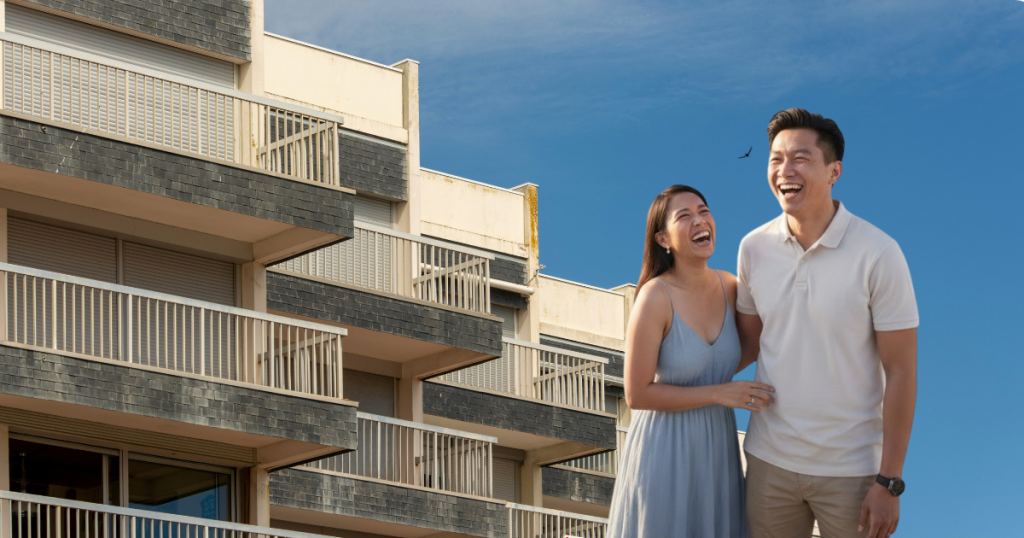
The Philippine real estate landscape is evolving. As we look toward 2026, the demand for residential rental spaces—from dormitories and apartments to co-living spaces—is projected to rise alongside the country’s infrastructure boom.
For many investors, the “Build-to-Rent” model offers a stable, long-term passive income stream. However, construction is a complex discipline. It is not enough to simply own a lot and build a structure; you must build with purpose, quality, and compliance.
In this article, we will break down the essential factors you must assess before diving into the market. We will explore the construction, financial, and maintenance considerations necessary to protect your capital, and provide a practical checklist to ensure your investment is secure and profitable from day one.
1. Strategic Location and Connectivity

In real estate, location has always been the golden rule, but as urban congestion grows, connectivity becomes the true differentiator for 2026. Tenants are no longer just looking for a place to sleep; they are looking for accessibility. A beautiful building in an inaccessible area will suffer from high vacancy rates. Before purchasing land or starting construction, consult the local government’s Comprehensive Land Use Plan (CLUP) to see future road networks and zoning policies that could affect your property’s value.
- The “Build Better More” Effect: Look for lots near upcoming infrastructure projects like the Metro Manila Subway, the North-South Commuter Railway, or new expressways. Accessibility to mass transport hubs significantly increases property value and tenant desirability.
- Neighborhood Analysis: Is the area flood-prone? Is it near universities, central business districts (CBDs), or industrial parks? Your location dictates who your tenants will be.
2. Define Your Target Market Early
One of the most common mistakes aspiring landlords make is building a “generic” structure and hoping anyone will rent it. You cannot design a building effectively if you don’t know who will live in it. Your architectural plans—from the size of the cuts to the amenities provided—must align strictly with your demographic’s lifestyle. A mismatch here leads to costly renovations later when you realize your unit sizes don’t fit market needs.
- Students/Young Professionals: They prioritize proximity to schools/offices and strong Wi-Fi signals. Studio units or co-living layouts work best.
- Families: They require safety, parking spaces, and proximity to markets and hospitals.
- The Pinoy Builders Insight: Don’t build a luxury apartment in a university belt area where affordability is the priority. Match your build to your market.
3. Prioritize Construction Quality and Durability
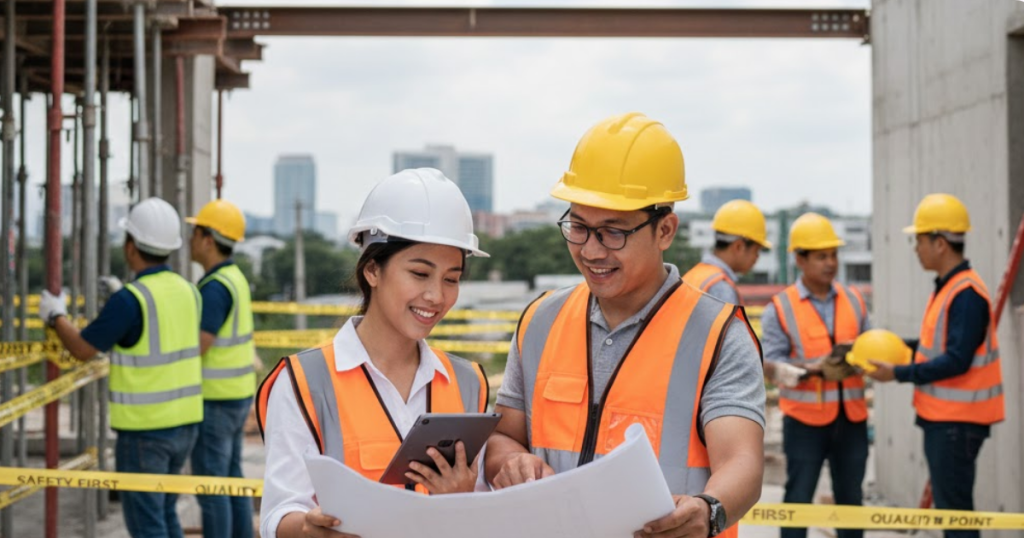
Many new investors try to lower the “cost per square meter” by using cheaper materials, often unaware that this leads to higher maintenance costs almost immediately after operations begin. A rental property undergoes significantly more wear and tear than a personal home because tenants come and go. Structural integrity is not just about safety; it is about preserving your profit margins by avoiding constant repairs.
- Avoid False Economy: Cutting costs on substandard cement, steel, or plumbing fixtures will cost you more in the long run. In the rental business, “wear and tear” is accelerated.
- Invest in “Bones”: Focus your budget on the structural integrity (foundation, beams, columns) and essential utilities (plumbing, electrical). Aesthetic finishes can be upgraded later, but a leaking pipe embedded in a wall is a nightmare to fix once tenants have moved in.
4. Smart and Sustainable Design

Sustainability is no longer just a buzzword or a trend; it is a necessity for operational cost-efficiency. With electricity rates fluctuating, a building that relies 100% on air conditioning will serve as a barrier to potential tenants or eat into your own profits if utilities are inclusive. Designing with the Philippine tropical climate in mind—utilizing passive cooling techniques—can lower the ambient temperature of your units significantly without using a single watt of electricity.
- Passive Cooling: The Philippines is a tropical country. Design your building to maximize natural airflow and lighting. High ceilings and properly oriented windows reduce the need for air conditioning, lowering electricity bills for you and your tenants.
- Future-Proofing: Consider provisions for internet cabling and stable electrical loads. The modern tenant works from home and has multiple gadgets; your electrical system must handle that load safely.
5. Strict Legal and Code Compliance

A legitimate business starts with legitimate permits. There are no shortcuts in professional construction, and trying to bypass the bureaucracy often results in bigger headaches down the line. Compliance isn’t just about avoiding fines; it’s about ensuring your building is safe for human habitation. Recent earthquakes and fires have prompted LGUs to be stricter with inspections, and non-compliant buildings are the first to be shut down.
- Adhere to the Code: Ensure your plans comply with the National Building Code of the Philippines (PD 1096) and the Fire Code.
- Permits are Mandatory: From the Building Permit to the Fire Safety Inspection Certificate and the final Occupancy Permit—these documents protect your investment. Operating a “colorum” construction puts you at risk of work stoppages, penalties, and closure.
6. The Numbers: ROI vs. Construction Cost
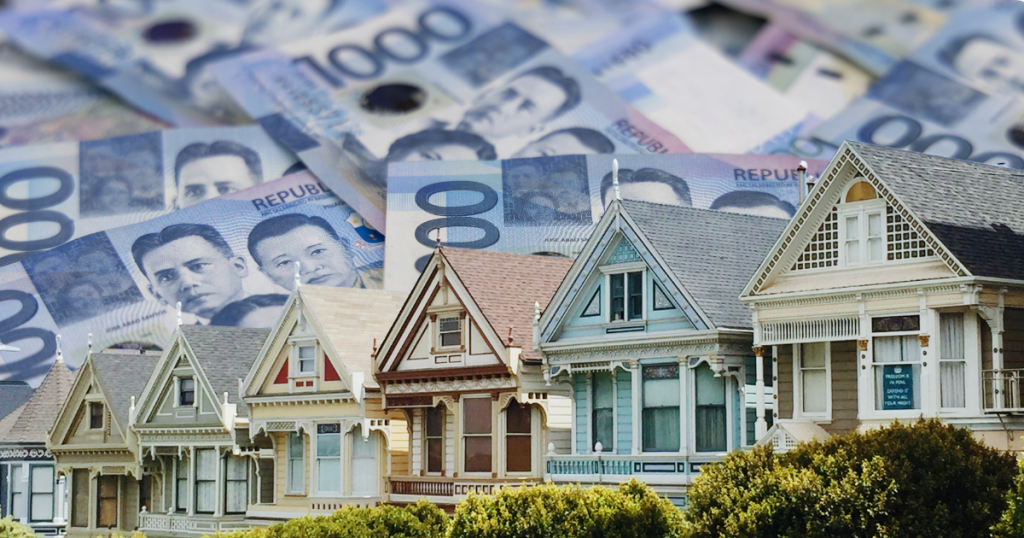
Building a rental property is an investment, not just a passion project or a family inheritance. You must distinguish between “Hard Costs” (materials and labor) and “Soft Costs” (permits, architectural fees, utility connections). Many first-time builders run out of cash midway because they only calculated the cost of hollow blocks and cement. You need a comprehensive financial feasibility study to ensure your rental rates can cover your monthly amortization and maintenance while still providing profit.
- Calculate the Yield: Does the projected rental income justify the current cost of construction materials? Prices of steel and cement fluctuate.
- Buffer Funds: Always set aside a contingency fund (typically 10-15% of the project cost) for unforeseen site conditions or price escalations. A stalled project due to lack of funds is the worst scenario for any builder.
Final Thoughts
Entering the home rental business in 2026 is a promising venture, but it requires meticulous planning and professional execution. By prioritizing location, market fit, and construction quality, you aren’t just building a house—you are building a legacy asset.


 Facebook
  Instagram
  Linkedin
  Twitter
  Youtube