
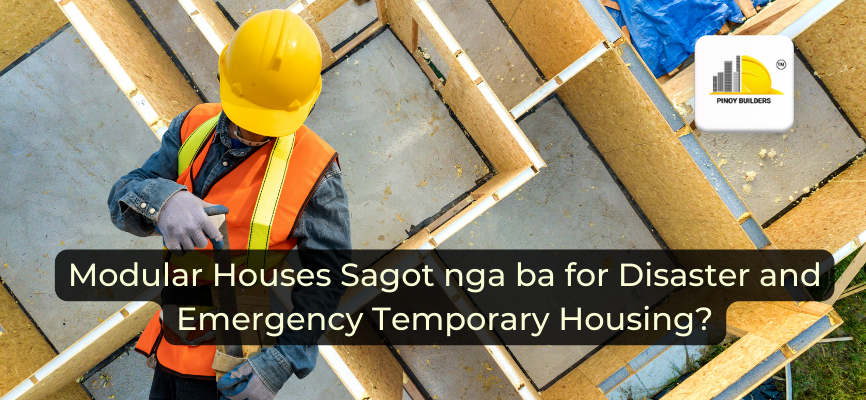
Amid the worsening effects of climate change and the Philippines’ location on the Pacific Ring of Fire, a rapid and effective housing response is no longer just an option; it is a necessity. This is where the concept of modular houses comes into play.
In this article, we will explore the role of modular construction in disaster recovery, weighing its rapid-deployment benefits against the practical challenges posed by the Philippine climate and landscape.
What are Modular Houses?
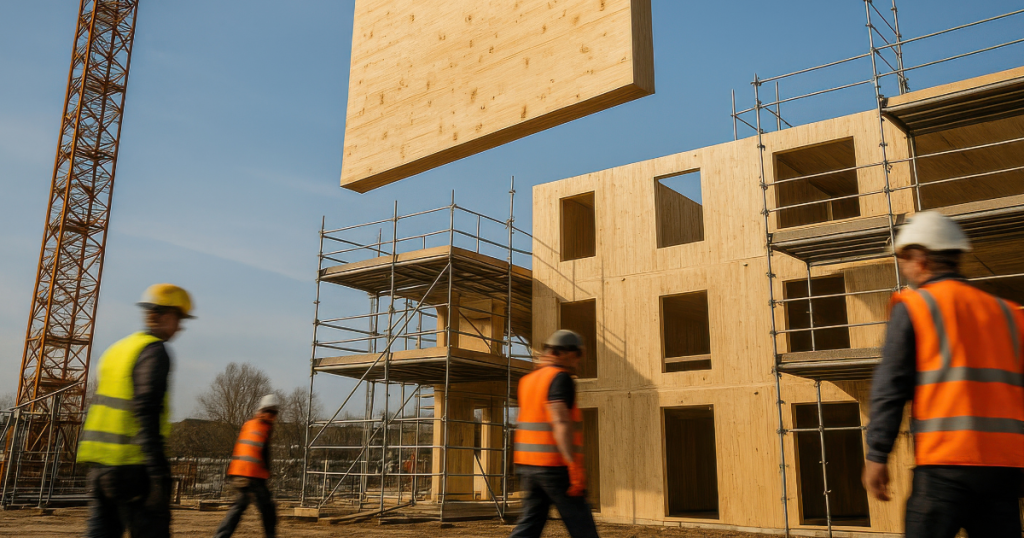
Modular houses are structures built from “modules” or pre-fabricated components manufactured inside a factory or plant. Instead of building on-site from scratch (traditional construction), the walls, floors, and roofs are transported to the site for assembly.
In the context of disaster response, these serve as Emergency Transitional Shelters. They are used to quickly provide dignified housing for families who have lost their homes due to floods, earthquakes, or typhoons while they await permanent relocation.
Advantages of Modular Housing
Why is this considered a “game changer” in disaster management?
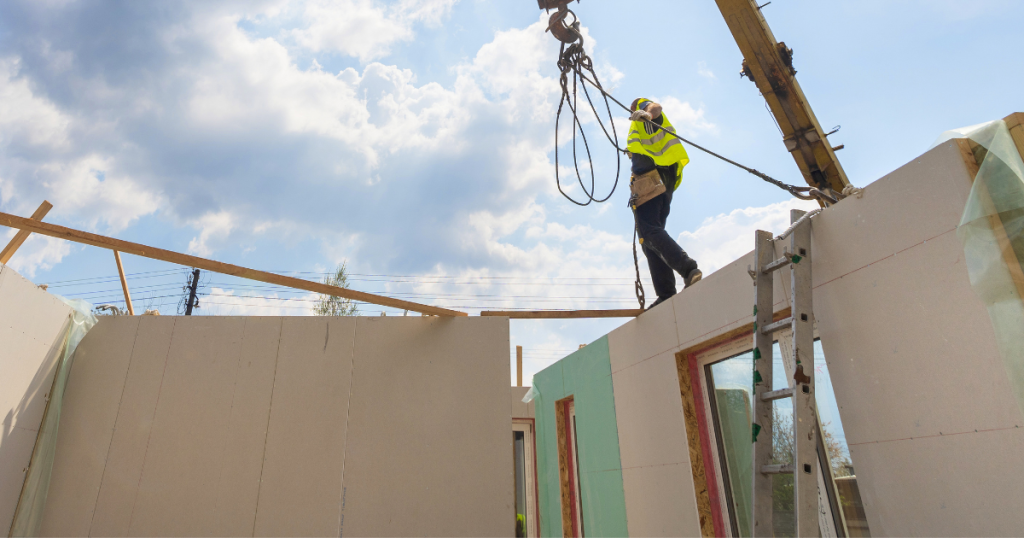
- Quick Construction: The biggest advantage is speed. Because parts are pre-made, a unit can be assembled within hours or days, compared to the months required for traditional concrete construction.
- Cost Efficiency: Since materials are mass-produced in a factory, waste is significantly reduced, and budget control is more effective.
- Mobility and Flexibility: Units are easy to transport to remote provinces. Once a shelter is no longer needed in a specific area, it can be dismantled and moved to another affected community.
- Scalability: It is easy to scale up the number of units based on the volume of disaster victims.
Challenges and Limitations
While modern, this solution comes with its own set of issues:
- Durability Concerns: Many modular units are made of lightweight materials, such as sandwich panels or lightweight steel. These may not withstand extreme winds (Category 5 typhoons) if they are not properly anchored to the ground.
- Space Constraints: Modular units are typically small. For large Filipino families, these spaces can become cramped and may lack adequate ventilation.
- Long-term Suitability: In the Philippines, “temporary” often becomes “permanent.” Modular houses are not designed to last for decades without intensive maintenance.
Is it Effective in the Philippine Setting?
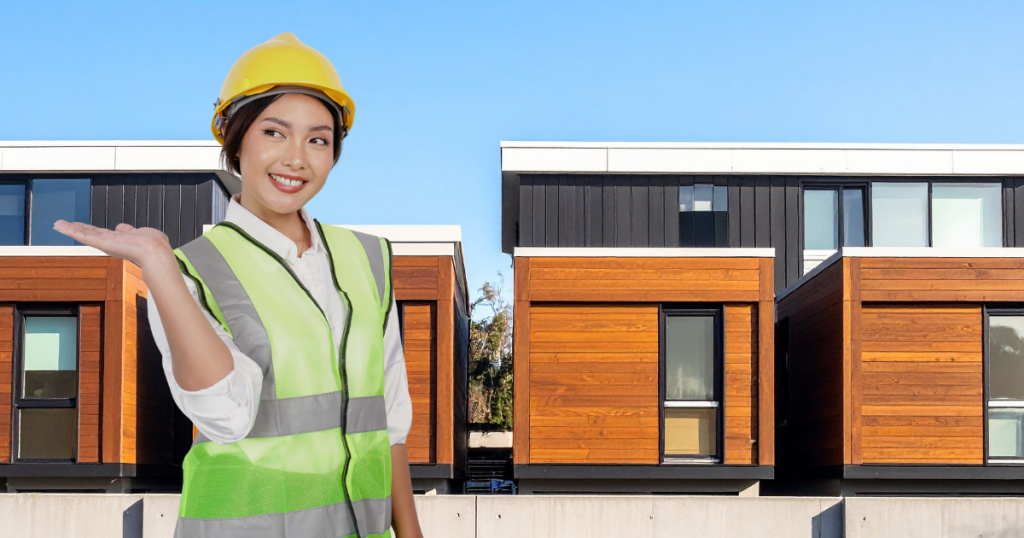
In short: Yes, but with conditions.
Modular housing is an excellent “stop-gap” measure. In a country frequently hit by disasters, moving victims out of evacuation centers (like public schools) and into modular units helps restore a sense of normalcy.
However, to be truly effective in the Philippines, the following are required:
- Localized Design: The design must be adapted to the country’s tropical heat and heavy rainfall (e.g., elevated flooring for flood-prone areas).
- Strategic Stockpiling: The government must preposition units and store them in advance of a disaster to ensure immediate deployment.
Modular houses are not a “perfect” solution, but they are the fastest response to the shelter crisis during emergencies. With proper planning and quality materials, they have great potential to protect the dignity and lives of Filipinos in the aftermath of a storm.

 Facebook
  Instagram
  Linkedin
  Twitter
  Youtube