


Securing a reliable water supply is one of the most critical steps in any construction project or business startup. In Metro Manila and neighboring provinces, this service is provided by two main concessionaires: Manila Water (East Zone) and Maynilad (West Zone). While the prospect of government permits and utility applications can feel overwhelming, understanding the specific workflow can keep your project on schedule.
In this article, we will break down the step-by-step application process, the essential documents required for business accounts, and strategic tips to ensure your connection is approved without unnecessary delays.
Step-by-Step Application Process

While both providers have slightly different digital interfaces, the general path to a new water connection follows four primary phases. This standardized workflow ensures that both the concessionaire and the business owner meet all technical and legal requirements. By following this established sequence, you can transition smoothly from the initial inquiry to the final activation of your water service.
- Inquiry and Initial Application: Visit the official website of your provider (Manila Water or Maynilad) or go to the nearest Business Area (BA) office. You will fill out an Application for New Water Service Connection form.
- Technical Site Inspection: Once the application is logged, a technician will visit your business location. They will determine the nearest water main, the required meter size, and whether any road-cutting permits are needed.
- Payment of Fees: After the inspection, you will receive a Notice of Approval and a Statement of Account. You must pay the connection fees (and security deposits for businesses) before work begins.
- Installation: Upon payment and submission of local government permits (like excavation permits), the provider will schedule the actual tapping and meter installation.
Documentation, Requirements, and Fees
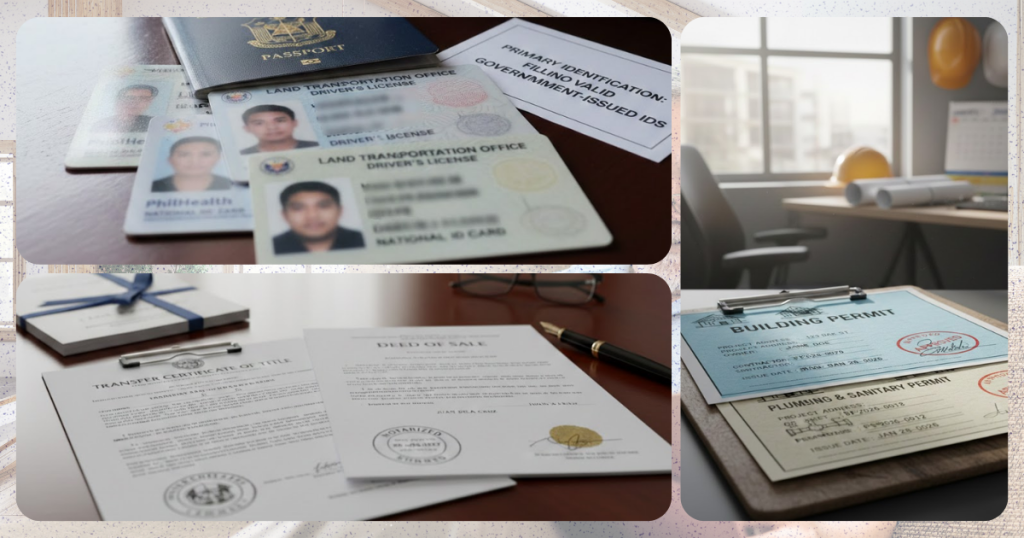
Applying for a commercial water connection involves a more rigorous verification process than a standard residential request. To ensure a successful application, you must compile a comprehensive “Business Folder” that satisfies both legal and technical requirements. This organized collection of documents serves as the basis for your service contract and helps the provider assess your specific consumption needs.
- Primary Identification: Valid government-issued IDs of the owner or authorized representative.
- Proof of Ownership or Occupancy: A Transfer Certificate of Title (TCT), Deed of Sale, or a notarized Lease Contract if you are renting the space.
- Business Permits: DTI or SEC Registration, and a valid Mayor’s Business Permit.
- Construction Permits: For new builds, you must provide the Building Permit and the Plumbing/Sanitary Permit.
- Fees to Expect:
- Connection Fee: Covers the meter and labor.
- Security Deposit: Based on the estimated water consumption of your business type.
- Excavation Costs: If the main line is across a public road, you may be charged for restoration.
Common Mistakes to Avoid

Many businesses encounter significant delays due to preventable errors rather than inefficiencies within the water utility company. Overlooking minor details in paperwork or site preparation can lead to immediate application rejections or failed technical inspections. By identifying these common pitfalls early on, you can ensure a much smoother and more predictable installation timeline.
- Discrepancy in Names: Ensure that the name on the Lease Contract matches the name on the Business Permit and the application form.
- Illegal Tapping History: If the previous occupant of the site had an illegal connection or an outstanding balance, the new application will be blocked until the “bad account” is settled.
- Substandard Plumbing: If your internal plumbing does not meet the National Plumbing Code, the inspector may fail your site, forcing a re-inspection.
- Missing Excavation Permits: If your office is on a national road, you might need a DPWH permit in addition to the local city hall permit.
Tips for Faster Approval and Smooth Setup

- Apply Early: Do not wait for the building to be finished. Apply as soon as you have your building permit to allow time for inspections.
- Assign a Point Person: Designate a single representative to follow up with the Business Area office to avoid communication gaps.
- Prepare the Meter Box: Ensure your contractor builds the meter vault or box according to the provider’s exact specifications (standard height and clearance) before the installers arrive.
- Go Digital: Both Manila Water and Maynilad now offer online portals. Uploading documents digitally is often faster than physical filing.
Navigating the water installation process is a foundational step in bringing your business to life. By being proactive with your documentation and following the technical guidelines set by Manila Water or Maynilad, you can avoid the “dry spell” of a delayed connection. Remember, a smooth water setup is not just about the pipes—it is about the preparation you do before the first drop even flows.




 Facebook
 Instagram
 Linkedin
 Twitter
 Youtube