
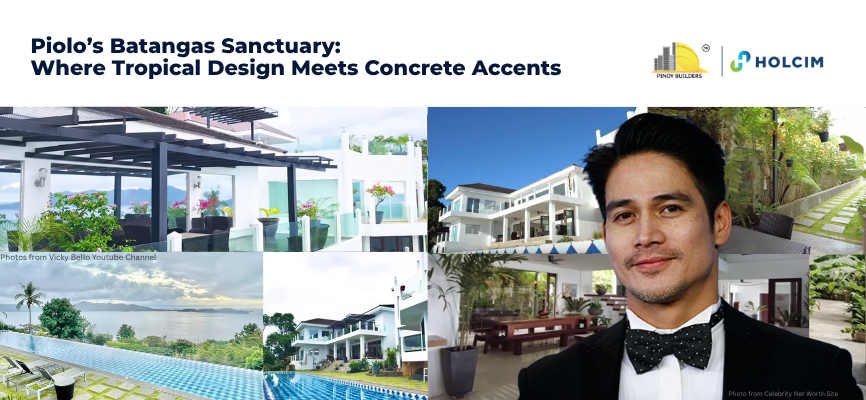
Piolo’s Batangas Sanctuary:
Where Tropical Design Meets Concrete Accents
In today’s evolving contemporary Filipino architecture, coastal homes are shifting toward designs that prioritize resilience, sustainability, and clarity. Piolo Pascual’s seaside villa in Batangas reflects this movement—embracing Brutalist architecture and tropical brutalism to create a space that is both durable and deeply connected to nature.
Rather than following conventional luxury real estate trends, this vacation house design highlights restraint, material honesty, and long-term performance—key principles in brutalist architecture in the Philippines.
Key Takeaways
- Coastal Architecture Advantage: Concrete performs well in harsh seaside conditions
- Tropical Brutalism: Combines raw materiality with climate-responsive design
- Modern Minimalist Home: Clean lines and open spaces define the aesthetic
- Sustainable Building Materials: Concrete supports durability and efficiency
- Celebrity Homes Trend: A shift toward intentional, understated luxury
Why Concrete Architecture Works for Coastal Homes
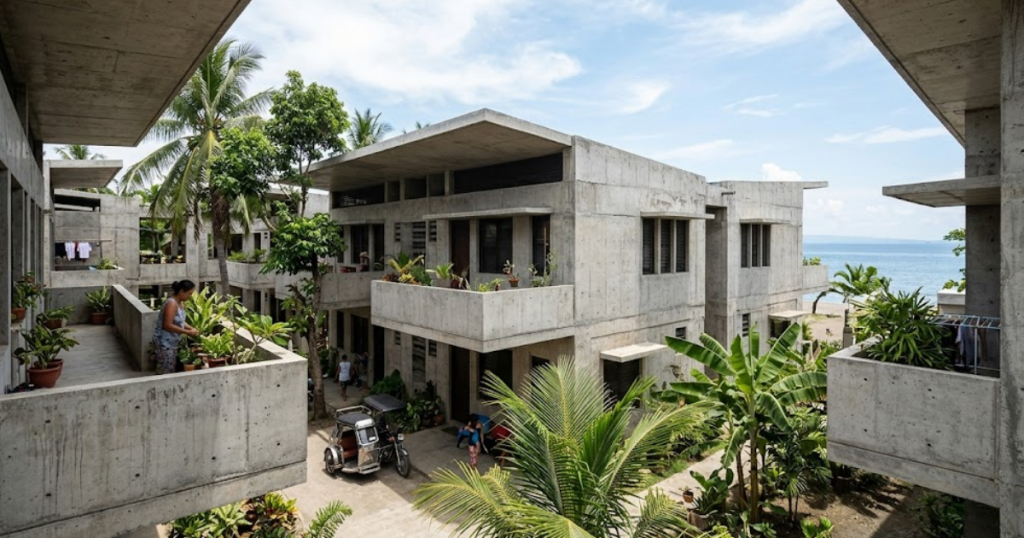
Brutalist architecture is highly suited for coastal environments due to its durability and strong material performance. In tropical regions like Batangas, tropical brutalist architecture further adapts this style to respond to heat, humidity, and sea exposure. The design and quality of materials used structurally in construction—including foundations, footings, and load-bearing elements—must conform to accepted engineering practice (Department of Public Works and Highways [DPWH], 1977). Concrete avoids issues common in wood (rot) and metal (rust) and ensures long-term durability with minimal intervention.
Environmental Performance:
- Resists salt-laden air and corrosion
- Withstands strong coastal winds
- Handles high humidity and heat
Material Strength:
- Concrete avoids issues common in wood (rot) and metal (rust)
- Ensures long-term durability with minimal intervention
Architectural Expression:
- Emphasizes structural expressionism through exposed materials
- Showcases bold, monolithic forms
- Creates contrast with natural surroundings
This makes it a leading approach in modern coastal architecture across the Philippines. Furthermore, because coastal zones in the Philippines are governed under an integrated management framework that considers the relationship between built environments and marine ecosystems, the siting and construction of structures in these areas must be sensitive to both environmental and structural demands (Office of the President of the Philippines, 2005).
The Role of Concrete in Modern Minimalist Living
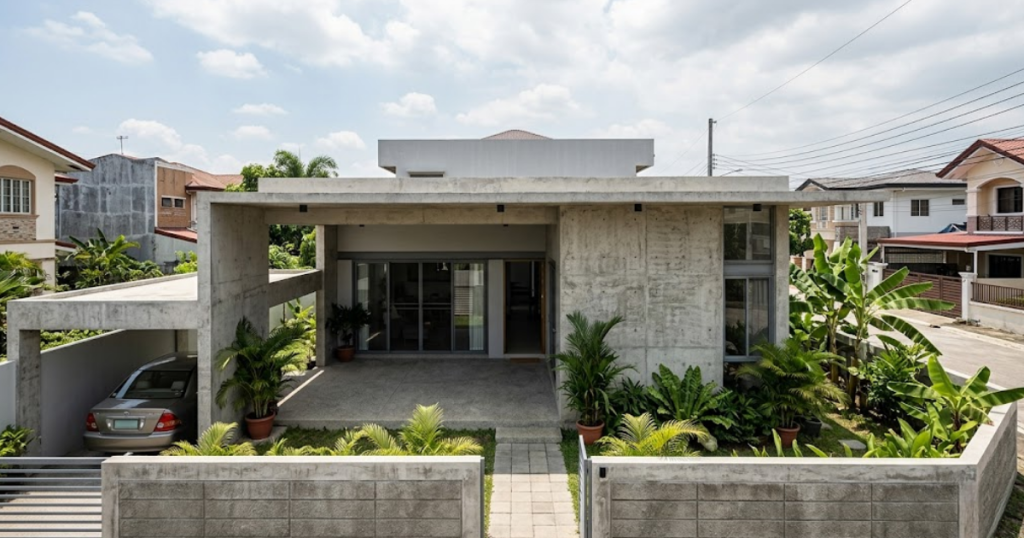
Concrete plays a vital role in the overall performance of this modern minimalist home. It provides structural strength, durability, and thermal efficiency suited for tropical conditions. The Department of Energy’s Guidelines on Energy Conserving Design of Buildings mandates that building constructions must comply with minimum requirements for energy efficiency, encouraging design strategies that reduce dependence on mechanical cooling systems (Exec. Order No. 533, 2006).
Functional Benefits:
Thermal Mass:
- Absorbs and releases heat gradually
- Helps regulate indoor temperature
- Reduces dependence on cooling systems, in line with the energy efficiency standards for building design in the Philippines (Exec. Order No. 533, 2006)
Low Maintenance:
- Minimal repainting or refinishing
- Long-lasting durability
Design Benefits:
- Highlights concrete finishes and architectural concrete finishes
- Supports clean, uncluttered spaces
- Aligns with current interior design trends focused on simplicity
Balancing Raw Materiality with Comfort
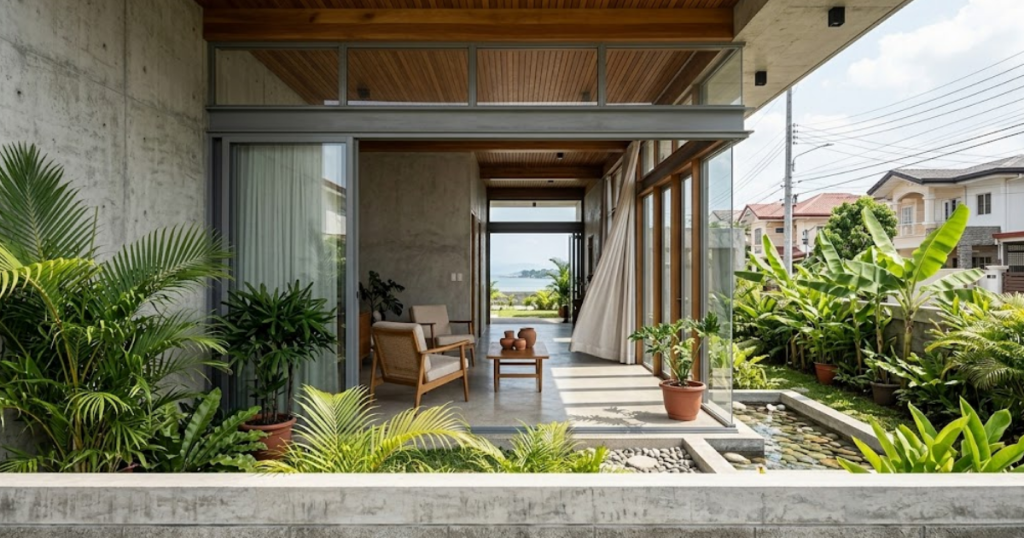
Despite its rugged material palette, the villa maintains a calm and inviting atmosphere. Thoughtful design elements help soften the heaviness of raw concrete, creating a space that feels both livable and serene. Under Philippine building regulations, structures are required to meet minimum standards for light and ventilation, ensuring that even monolithic concrete designs provide adequate natural airflow and daylighting for occupants (DPWH, 1977).
Design Strategies:
- Large openings for natural ventilation and light
- Seamless indoor-outdoor transitions
- Open layouts that maximize space and airflow
Living Experience:
- Feels airy and expansive, not heavy
- Connects directly to the surrounding seascape
- Softens Brutalist elements through thoughtful spatial planning
This balance is a defining feature of high-end vacation house design in tropical regions.
Sustainability and Long-Term Value
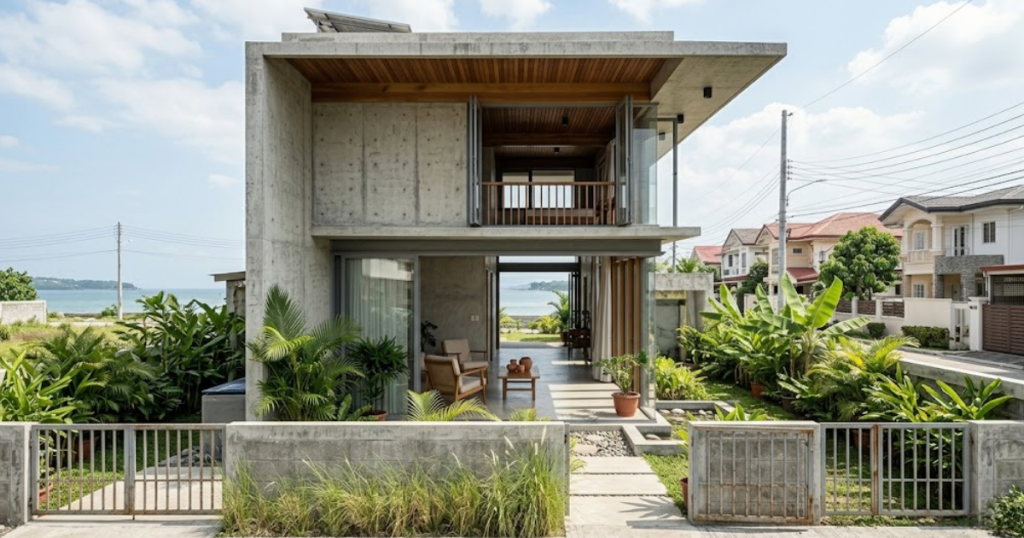
The use of concrete supports today’s focus on sustainable building materials. It contributes to resilient design by offering long-term durability and reduced maintenance needs. The DOE’s energy efficiency guidelines for buildings specifically promote the use of appropriate building envelope strategies and energy-conserving technologies that lower a structure’s long-term operational footprint(Exec. Order No. 533, 2006). Additionally, as coastal areas in the Philippines are governed under an integrated management approach that seeks to balance development with ecological preservation, responsible construction choices become part of a broader commitment to sustainable coastal living (Office of the President of the Philippines, 2005).
Key Advantages:
Durability:
- Ideal for coastal climates
- Reduces long-term repair needs
Energy Efficiency:
- Supports passive cooling
- Lowers operational energy use
Low Maintenance:
- Saves time and resources
Timeless Appeal:
- Remains relevant across evolving interior design trends
These qualities make Brutalist homes increasingly desirable in the luxury real estate market.
Celebrity Homes and the Shift Toward Intentional Design
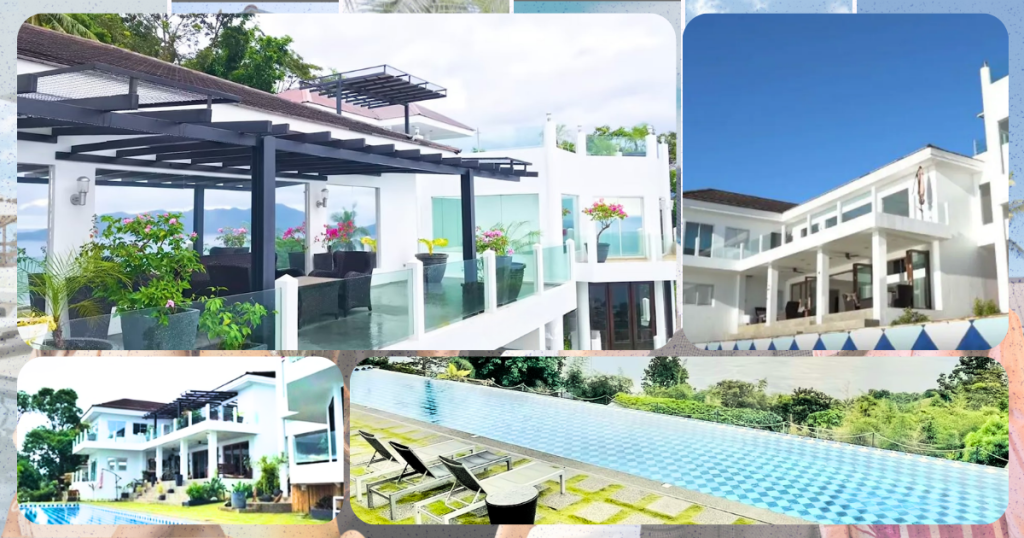
Photos From Vicky Bello Youtube Channel
Piolo Pascual’s home reflects a broader shift in celebrity residences. Many high-profile homeowners are moving away from excess and toward more intentional spaces. This trend emphasizes purposeful design, simplicity, and long-term livability—values that align with the policy objectives embedded in Philippine building and environmental law, which seek to safeguard life, health, property, and public welfare through sound design and material standards (DPWH, 1977).
Emerging Trends:
- Preference for minimalist, functional spaces
- Emphasis on privacy and tranquility
- Integration with natural surroundings
- Focus on long-term sustainability
This approach redefines luxury as something quieter, more enduring, and deeply personal.
Conclusion: Strength in Simplicity
Piolo Pascual’s Batangas seaside villa stands as a strong example of how Brutalist architecture can thrive in tropical settings. By combining tropical brutalism, structural expressionism, and modern minimalist home principles, it creates a space that is both resilient and serene.
Final Insights:
- Simplicity enhances both function and beauty
- Concrete enables long-lasting coastal living
- Thoughtful design creates meaningful, livable spaces
In the context of contemporary Filipino architecture, this home reflects a shift toward intentional and sustainable design. It prioritizes durability and long-term performance over short-lived trends. Ultimately, it shows that true luxury lies in clarity, purpose, and strength.
References
Department of Energy. (2020). Adoption of the guidelines on energy conserving design of buildings (Department Circular No. DC2020-12-0026)
Office of the PresidenNational Building Code of the Philippines | Department of Public Works and Highwayst of the Philippines. (2005). Executive Order No. 533: Adopting Integrated Coastal Management as a National Strategy to Ensure the Sustainable Development of the Country’s Coastal and Marine Environment and Resources. Supreme Court E-Library.


 Facebook
  Instagram
  Linkedin
  Twitter
  Youtube