
The landscape of transportation in Metro Manila is shifting. With the implementation of the EVIDA Law (Electric Vehicle Industry Development Act), Electric Vehicles (EVs) are no longer a rare sight on EDSA. As more Filipinos make the switch to sustainable mobility, the availability of reliable charging infrastructure has become the backbone of this green revolution. No longer confined to home charging, EV owners now have access to a growing network of stations integrated into malls, fuel stations, and office hubs.
In this article, we will explore the major charging networks currently active in the metro, the types of chargers you can expect to find, and practical tips to help you navigate the city without range anxiety.
Major EV Charging Networks in Metro Manila
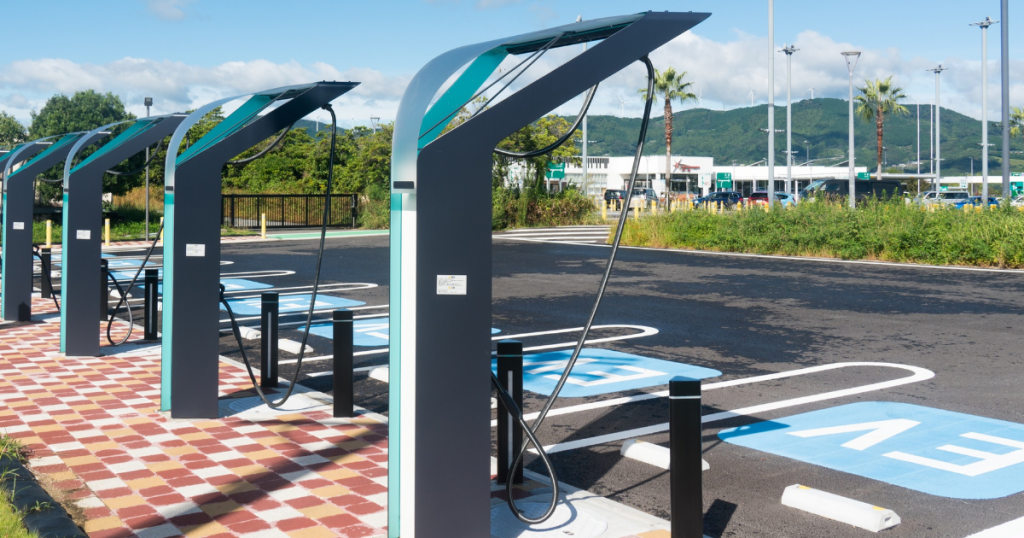
Finding a “juice up” point in the city has become increasingly convenient as major developers and fuel providers expand their networks. This breakdown highlights the primary locations and operators currently powering the metro’s green transition. By identifying these key hubs, EV owners can easily integrate charging stops into their daily commutes or weekend mall trips.
| Operator | Key Locations | Charging Speed |
| SM Supermalls | SM Mall of Asia, SM North EDSA, SM Megamall, SM Aura, SM Manila, SM Grand Central | Standard (7.4kW AC) |
| Ayala Land (ACMobility) | Greenbelt, Glorietta, Alabang Town Center, Trinoma, Ayala Malls Manila Bay, Circuit Makati | Fast & Standard (22kW AC / 60-120kW DC) |
| Shell Recharge | Seven/NEO BGC, Estancia Mall, Greenhills, Robinsons Galleria, SLEX Mamplasan (Nearby) | Fast & Ultra-Rapid (22kW AC / 180kW DC) |
| Robinsons Malls | Robinsons Manila, Magnolia, Galleria, Opus Bridgetowne | Standard (22kW AC) |
| Unioil | EDSA Guadalupe, Congressional Ave, Pasong Tamo | Fast & Standard (CCS2, CHAdeMO) |
| Tesla | Uptown Mall BGC, Shangri-La Plaza | Tesla Supercharger (Exclusive) |
Charger Types and Compatibility
Understanding the specific hardware of your vehicle is key to a smooth and efficient charging experience in the city. Most public stations in the Philippines have been standardized to utilize European and international protocols, ensuring that the majority of modern EVs can plug in without issue. By familiarizing yourself with these common connector types, you can confidently navigate the growing network of fast and standard chargers available across Metro Manila.
- Type 2 (AC Standard): This is the most common connector for “destination charging” at malls and offices. It provides a steady charge (7.4kW to 22kW) and is natively compatible with European and most Asian brands like Kia, Hyundai, and BMW.
- CCS2 (DC Fast Charging): Found at major highway stops and specialized hubs, the Combined Charging System 2 (CCS2) is the local standard for rapid charging. It can top up most modern EVs from 20% to 80% in under an hour.
- GB/T Standard: Many popular EVs imported from China (such as certain BYD or Chery models) use the GB/T port. While many public stations are now adding GB/T cables, owners of these vehicles often carry a Type 2-to-GB/T adapter to ensure they can use any public mall charger.
- CHAdeMO: While becoming less common, this fast-charging standard is still available at select locations specifically to support the Nissan Leaf and certain Mitsubishi plug-in hybrids.
- Tesla Superchargers: Tesla utilizes its own proprietary connector at its dedicated stations (like those in BGC). However, Tesla owners can use most public Type 2 chargers if they have the standard adapter provided with their vehicle.
Practical Tips for EV Users
- Accessibility & Apps: Many stations require specific apps for activation. Shell Recharge users need the Evro app, while many Ayala/ACMobility stations are managed through the ACMobility platform.
- Operating Hours: Most mall-based chargers follow mall hours (typically 10:00 AM to 10:00 PM). However, stations at Shell or certain office buildings (like those in BGC) are available 24/7.
- Cost: While many mall chargers began as free services, several have transitioned to a paid model (ranging from ₱28 to ₱35 per kWh). Always check the app for the latest pricing before plugging in.
- Benefits: Beyond the environmental impact, EV users in the Philippines enjoy exemptions from Number Coding, reduced registration fees, and priority parking slots in major commercial establishments.
Going green in Metro Manila has never been more feasible. With the rapid expansion of charging networks from the north in Quezon City to the south in Alabang, “range anxiety” is fast becoming a thing of the past. As the infrastructure continues to grow, the switch to electric is not just a win for the environment, but a smarter, tech-forward way to navigate the city.






 Facebook
  Instagram
  Linkedin
  Twitter
  Youtube