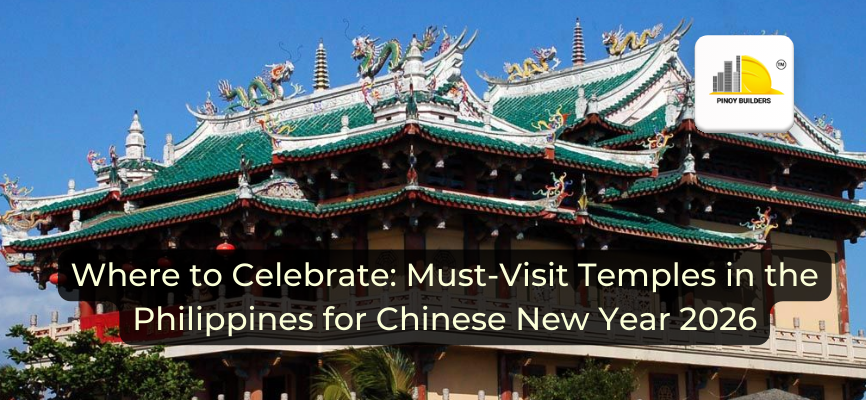
CALOOCAN CITY, Philippines — Inside the ornate pagoda of the Thai To Taoist Temple, the rhythmic sounds of polishing and scrubbing fill the air. On Tuesday, February 10, the temple’s maintenance staff were seen carefully wiping down intricate statues and polishing golden altar fixtures as part of a sacred seasonal ritual.
This isn’t just a routine maintenance task; it is a spiritual preparation. With the Chinese New Year fast approaching on February 17, temples across the country are bracing for an influx of thousands of devotees and tourists seeking blessings for the “Year of the Fire Horse.”
In this article, we explore the deep cultural roots of this “cleansing” tradition and provide a curated list of must-visit temples where you can experience the beauty of the Lunar New Year.
A Landmark of Faith in Caloocan
Located at the corner of M.H. Del Pilar and 6th Avenue East in Grace Park, Caloocan, the Thai To Taoist Temple stands as one of the oldest Taoist sites in the country. Built by the Chinese-Filipino community over a century ago, the temple is a significant cultural landmark easily recognizable by its traditional tiered pagoda and vibrant red-and-gold architecture.
The cleaning process, known as “sweeping the dust,” is a vital Lunar New Year tradition. In Chinese culture, cleaning the home or temple before the New Year signifies “sweeping away” the bad luck of the past year to make room for the good fortune and prosperity of the new one. For the Thai To Taoist Temple, ensuring every deity and dragon carving is pristine is essential for welcoming the deities and the crowd of worshippers who will come to light incense and offer prayers.
Must-Visit Temples for Chinese New Year 2026
If you’re looking to immerse yourself in the festivities or offer a prayer for a prosperous year, here are some of the most prominent temples to visit across the Philippines:
1. Seng Guan Temple
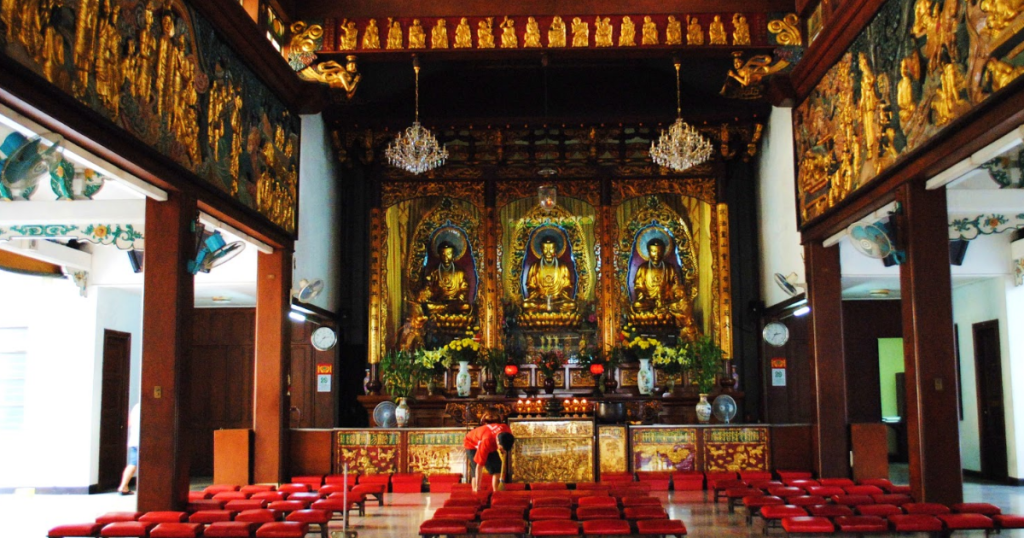
Situated in the heart of Binondo, Manila, this is considered the most important Buddhist temple in Chinatown. It is a major center for cultural and religious life, housing grand golden Buddha statues and serving as the primary site for incense offerings and prayers during the Lunar New Year.
2. Fo Guang Shan Mabuhay Temple
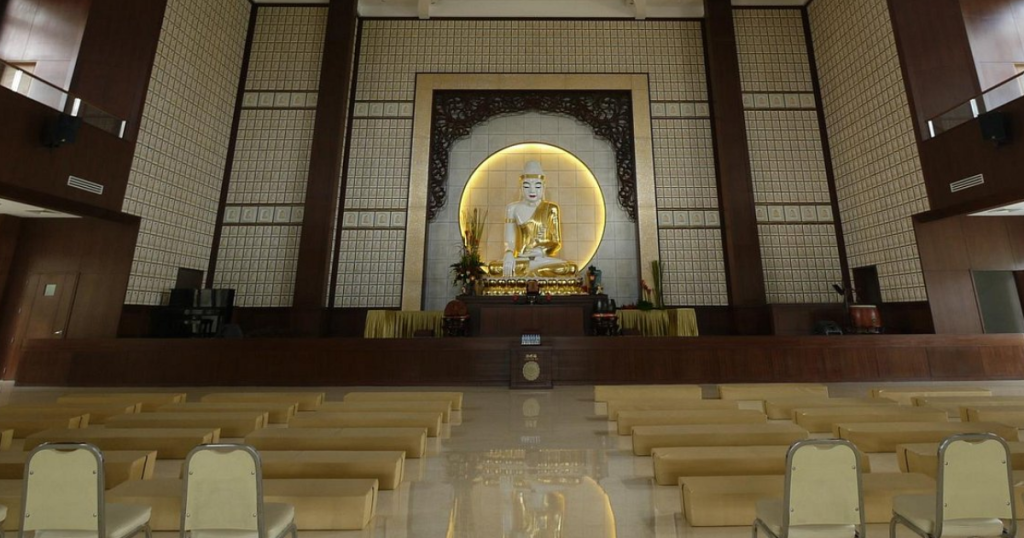
Found in Malate, Manila, this modern temple is the main headquarters of the Fo Guang Shan movement in the Philippines. It promotes “Humanistic Buddhism” and features an art gallery, a tea house, and a serene meditation hall where visitors can participate in light-offering ceremonies and peace rituals.
- Cebu Taoist Temple
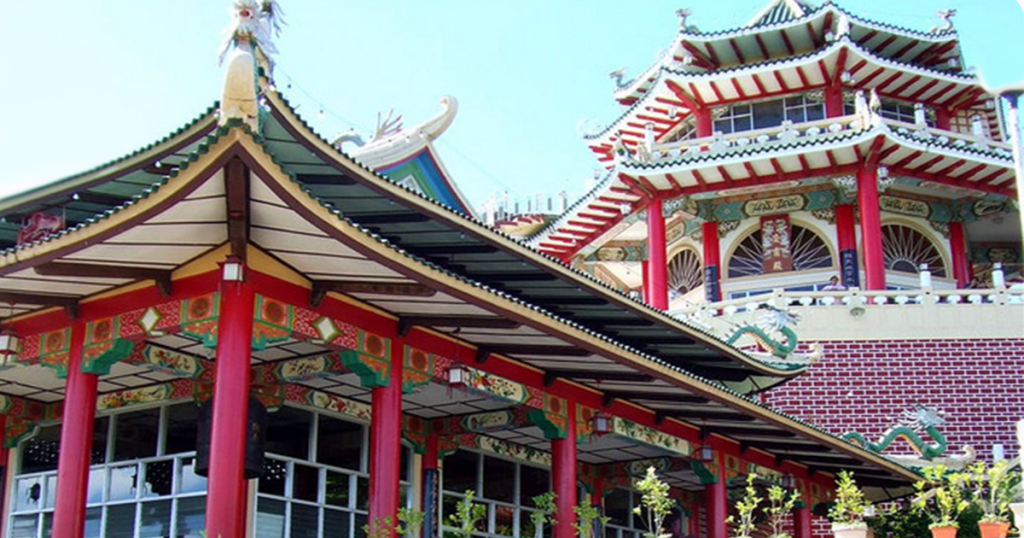
Perched on a hill in Beverly Hills, Cebu City, this iconic landmark is famous for its 81 steps—symbolizing the 81 chapters of Taoist scripture—and its architecture inspired by the Great Wall of China. It offers panoramic views of the city and is a favorite for those wishing to communicate with the divine using moon-shaped wooden blocks. - Ma-Cho Temple
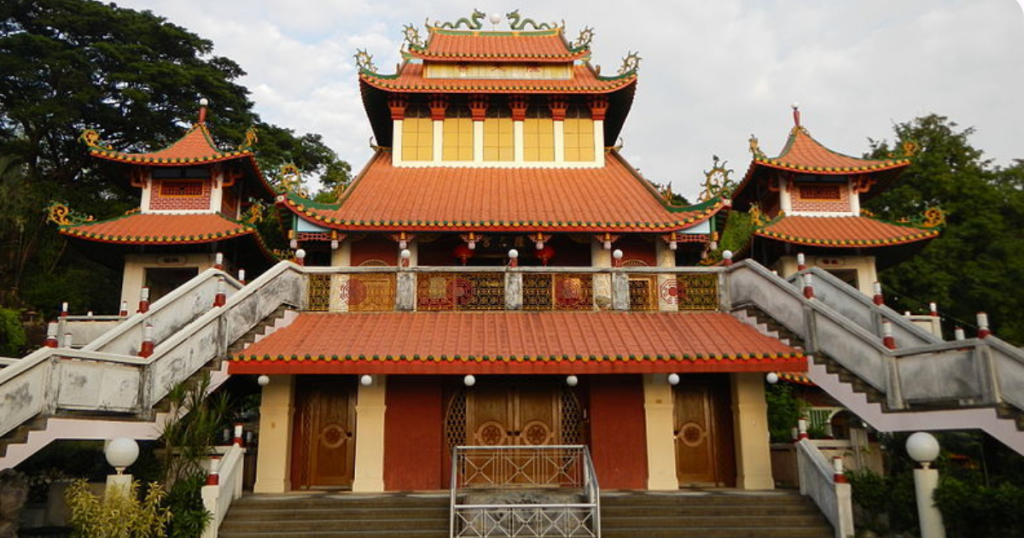
This stunning complex in San Fernando, La Union, is dedicated to the sea deity Mazu. It is unique for its 13-tier “spider-type” wooden dome and its blend of Taoist traditions with local history, welcoming devotees of all faiths to pray for protection and prosperity. - Yuan Thong Temple
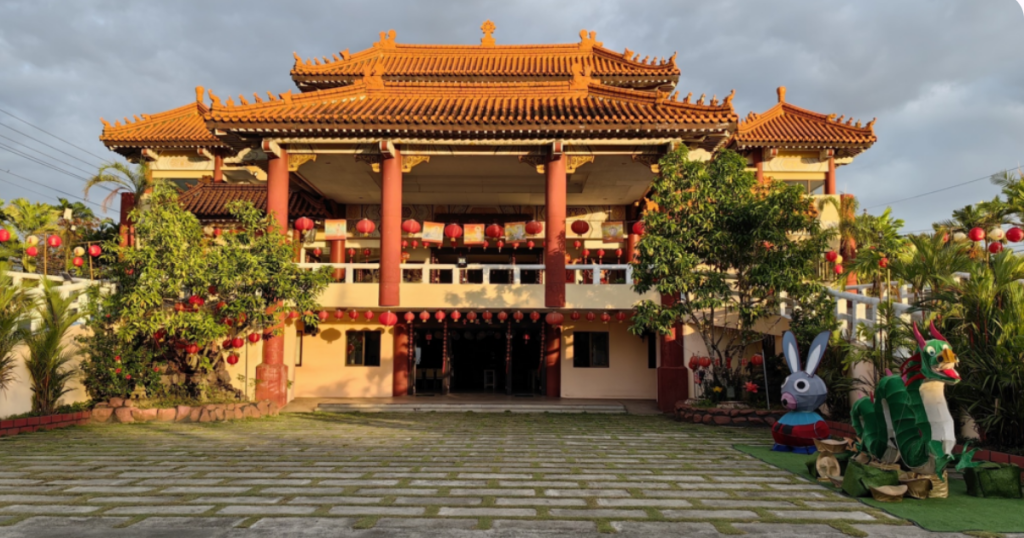
Located in Bacolod City, this temple is known for its beautiful garden and the “Wishing Tree” where visitors hang red ribbons with their New Year petitions. During the festivities, the temple grounds are transformed with a sea of red lanterns and cultural performances. - Ocean Sky Chan Monastery
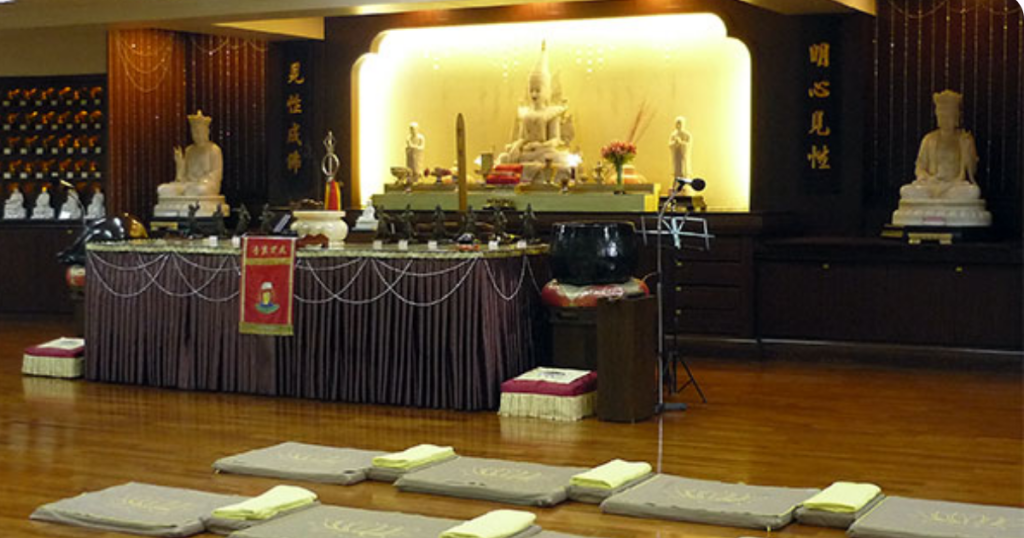
A peaceful Zen sanctuary in San Juan, Metro Manila, that offers free meditation classes. It is highly regarded for its grand blessing ceremonies during the Chinese New Year, which include the rhythmic striking of the Dharma drum and the Bodhi bell to usher in peace.
New Beginnings, Timeless Traditions
Whether you are heading to Caloocan to witness the quiet dedication of workers like Gerry Navales or joining the vibrant crowds in Binondo, the Chinese New Year is a time for reflection and renewal. Visiting these sacred spaces offers a unique glimpse into the rich tapestry of Filipino-Chinese heritage and a chance to start the lunar cycle with a clear heart and a clean slate.
As the incense smoke rises and the drums of the lion dance begin, may the coming year bring you and your family abundant health, peace, and prosperity. Kung Hei Fat Choi!

 Facebook
  Instagram
  Linkedin
  Twitter
  Youtube