

Road construction in the Philippines is evolving as projects face growing demands for efficiency and sustainability. Traditional equipment relies on diesel, which contributes significantly to greenhouse gas emissions. On the other hand, remote job sites may experience power outages that slow progress and complicate schedules.
To answer this issue, solar-powered construction equipment is stepping in as a smart alternative, bringing renewable energy directly to the worksite. These tools are not only environmentally friendly but also help teams work more efficiently and cost-effectively.
In this article, we will explore how solar-powered machinery is transforming road construction in the Philippines and the benefits it offers to both workers and the environment.

What Solar-Powered Equipment Looks Like Today
Solar technology is moving beyond homes and businesses, now powering essential construction tools. Contractors can find a variety of solar-driven equipment designed for road projects of all scales. These tools combine practicality with energy efficiency on the job site.
1. Solar Charging Systems for Heavy Machinery
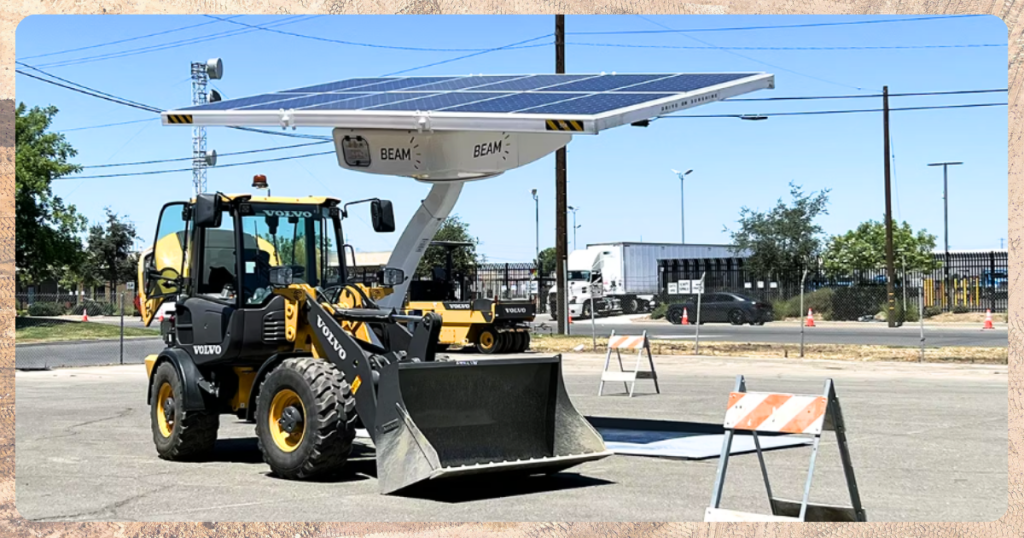
Heavy equipment like excavators, loaders, and generators can now integrate solar charging systems to supplement traditional fuel use. Solar panels and battery storage provide auxiliary power, reducing diesel consumption during idle periods and light operations. This setup helps contractors cut fuel costs, lower emissions, and maintain productivity in areas with limited grid access.
2. Solar Traffic Signal and Warning Systems
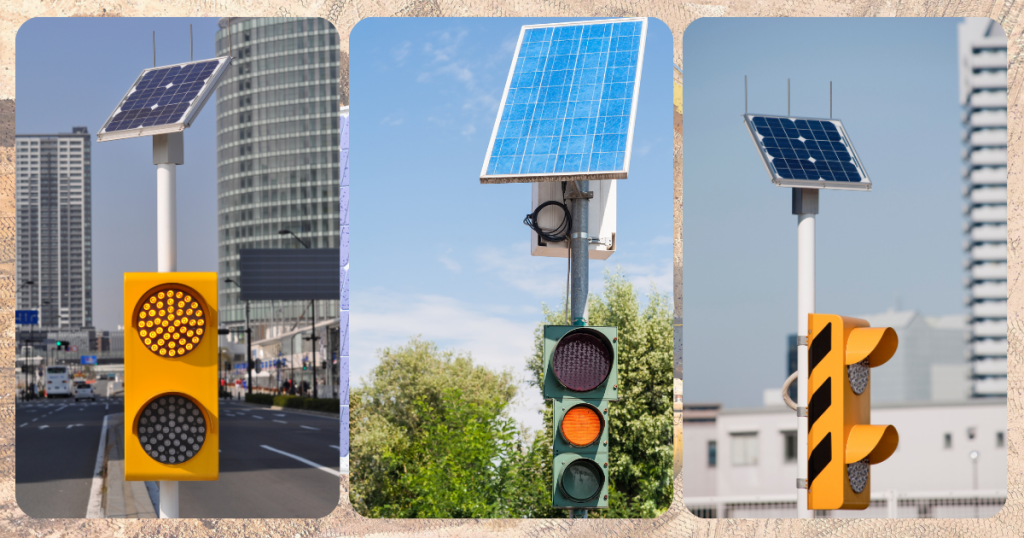
Portable solar traffic lights and road signs offer flexibility for temporary roadworks, detours, and nighttime operations. They reduce dependency on generators and simplify deployment in areas with limited electrical infrastructure.
3. Solar-Powered Charger for Handheld Tools

Smaller tools, such as solar-charged plate compactors, drills, and other instruments, help with community road projects and at remote sites. These tools deliver mobility and energy independence without sacrificing performance.
Solar-powered equipment is increasingly versatile. Such innovations demonstrate how renewable energy can support real-world construction needs without compromising performance.
Why Solar Makes Sense for Philippine Road Projects
Solar-powered equipment offers practical benefits beyond reducing emissions. For Philippine road projects, the advantages extend to cost savings, cleaner work environments, and independence from unstable power sources.
- Fuel Savings and Lower Operating Costs – Fluctuating diesel prices can significantly impact contractors’ budgets. Solar-powered machinery lowers daily fuel consumption, reducing long-term operating costs for long-duration worksites.
- Reduced Carbon Emissions and Cleaner Job Sites – Using solar equipment supports national sustainability initiatives. Cleaner air benefits workers and nearby communities, while demonstrating a commitment to greener construction practices.
- Energy Independence for Remote Areas – Many provincial roads lack stable grid access. Solar systems allow teams to operate efficiently without relying on generators, ensuring uninterrupted workflow in remote locations.
Challenges Contractors Should Still Expect
Solar-powered tools bring many benefits, but they are not without considerations. Contractors should be aware of cost, maintenance, and availability factors when planning their projects.
- Higher Upfront Costs – Solar tools require panels, batteries, and specialized components, which can increase initial investment.
- Maintenance and Weather Dependence – Proper battery care and panel cleaning are essential. Cloudy or rainy periods may temporarily reduce output, requiring careful planning.
- Limited Local Availability – Although options are growing, solar-powered construction tools remain less common than fuel-driven machines in the Philippine market.
Understanding these challenges allows teams to adopt solar solutions effectively while preparing for potential limitations.
Moving Toward Greener Infrastructure
Contractors, LGUs, and private developers can explore hybrid or solar-ready equipment. Even starting with portable solar traffic systems contributes to long-term sustainability. Gradual adoption can modernize road construction while lowering operational costs.
Solar-powered equipment combines practicality, cost efficiency, and environmental benefits. Embracing renewable-powered construction technology positions the Philippines for greener, more resilient infrastructure, making every road project a step toward sustainable progress.
References
Go Power! Domestic. (n.d.). SOLAR FOR HEAVY DUTY EQUIPMENT. Go Power! Domestic. https://gopowerfleet.com/applications/heavy-duty-machinery/
Waldschmidt, J. (n.d.). Charge Volvo Electric Equipment Anywhere with Beam EV Arc. Equipment World. https://www.equipmentworld.com/alternative-power/battery-electric/article/15294622/volvo-ce-offers-beam-global-offgrid-charging-systems-video








 Facebook
 Instagram
 Linkedin
 Twitter
 Youtube
