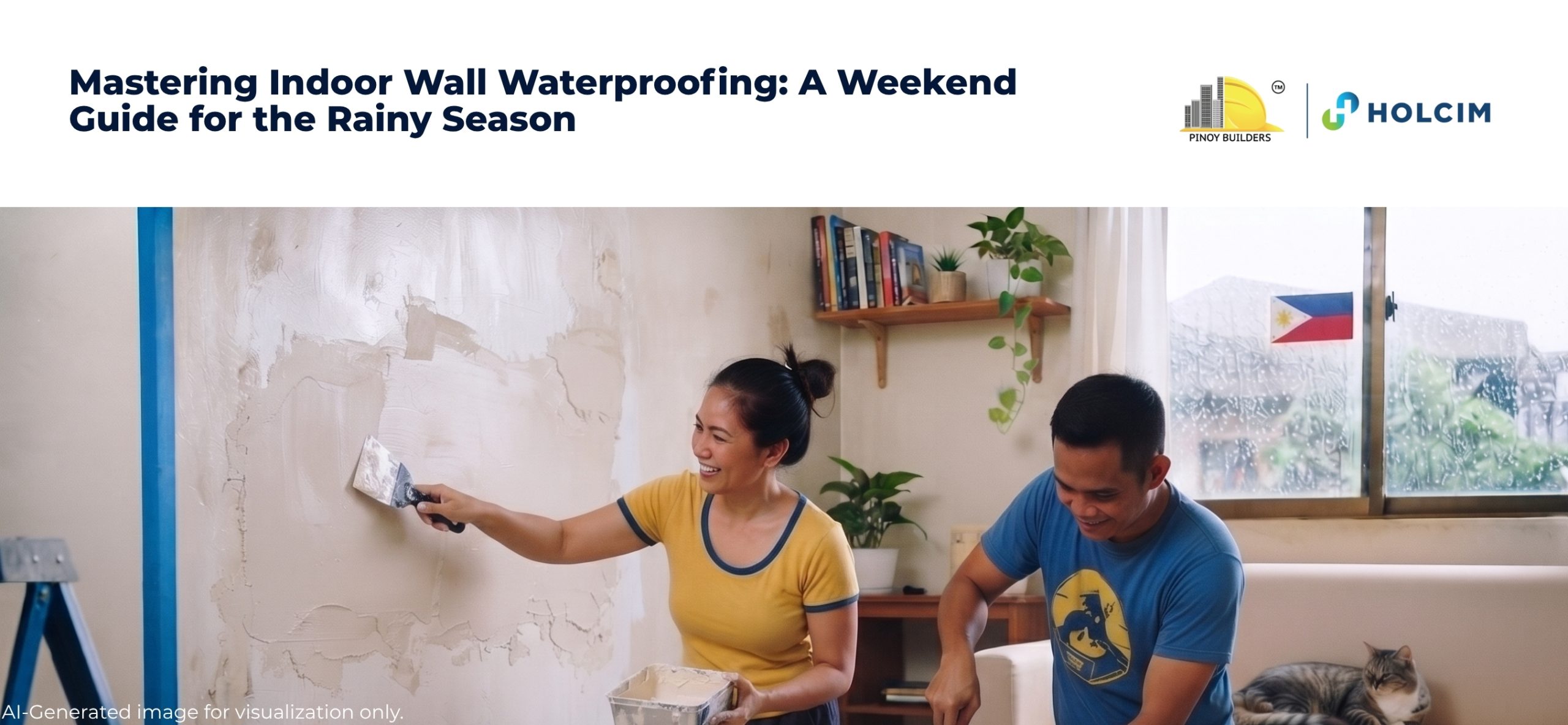
Heavy rainfall and high humidity make moisture control an ongoing challenge for many Philippine homes. As the southwest monsoon (Habagat) brings prolonged periods of wet weather, moisture can gradually penetrate walls and affect interior finishes if left unaddressed. An effective interior wall waterproofing strategy begins with a durable concrete substrate, followed by proper surface preparation, a compatible waterproof primer, an appropriate waterproof coating for walls, and quality finishing materials. Together, these measures help protect interior wall surfaces, reduce the need for costly wall leak repair, and improve long-term durability.
Key Takeaways
- Proactive wall maintenance helps reduce moisture intrusion, prevent mold growth, and minimize the need for expensive wall leak repair during the rainy season.
- A durable, low-permeability concrete substrate provides a stronger foundation for waterproofing systems and long-term wall performance.
- Proper surface preparation, including removing peeling paint and performing efflorescence treatment, is essential for achieving strong adhesion between waterproofing products and the wall surface.
- Applying a compatible waterproof coating for walls together with a reliable wall sealant in vulnerable joints helps minimize moisture movement caused by capillary action.
The Importance of Tackling Interior Dampness
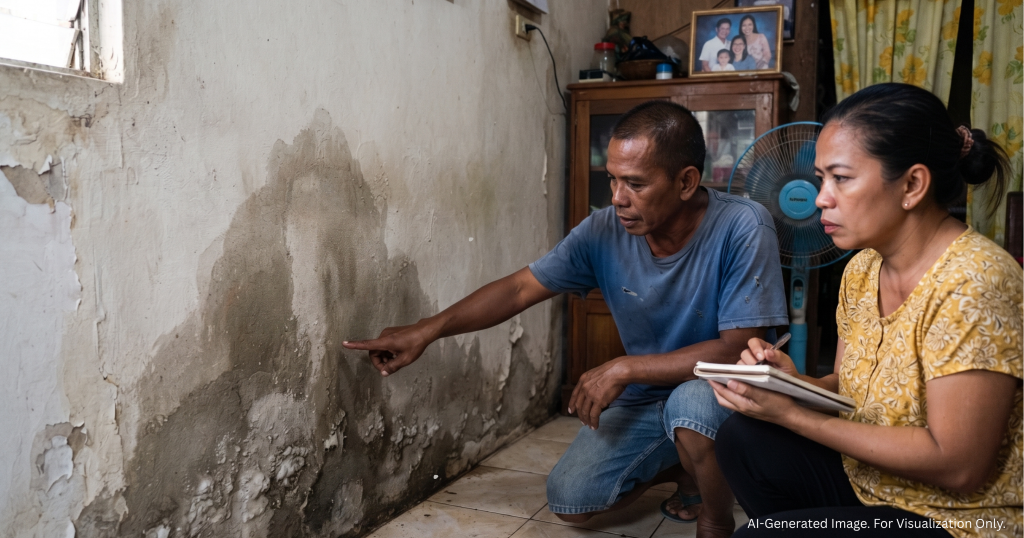
As the rainy season begins, prolonged exposure to wind-driven rain can cause moisture to seep through exterior walls and eventually appear on interior surfaces. Addressing this dampness early helps preserve wall finishes, improve indoor comfort, and significantly reduce the likelihood of major wall leak repair later on.
Why Early Maintenance Matters
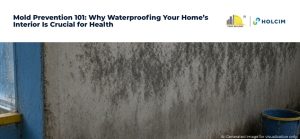
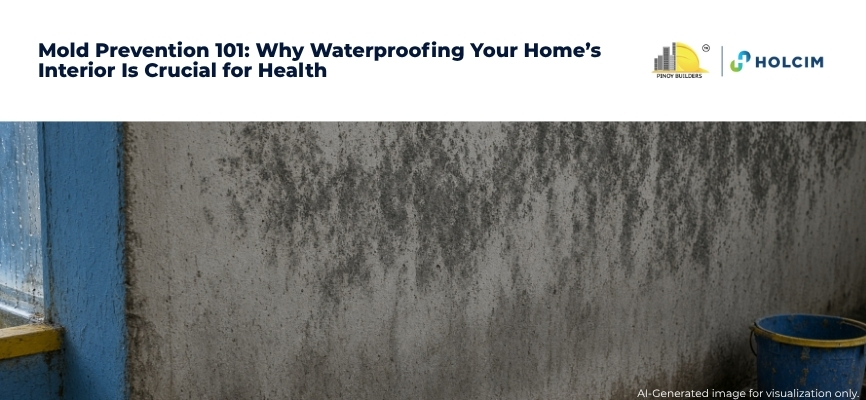
Ignoring interior dampness often results in peeling paint, deteriorating concrete surfaces, and mold growth, which may contribute to poor indoor air quality and respiratory irritation in susceptible individuals (Pacific Paint [Boysen] Philippines, Inc., 2022). Taking a proactive approach to interior wall waterproofing allows homeowners to address minor moisture issues before they develop into more extensive structural or aesthetic problems.
Build a Strong Foundation Before Waterproofing
Successful waterproofing begins long before the first coat of primer or paint is applied. The condition of the wall itself plays a significant role in determining how well any waterproofing system performs.
Start with Durable, Low-Permeability Concrete
Concrete naturally contains microscopic pores that allow small amounts of moisture to migrate through the material over time. Producing dense, well-compacted, low-permeability concrete helps reduce this moisture movement and provides a stronger substrate for waterproofing systems.
Products such as Holcim Excel Eco Planet are engineered to produce durable concrete when properly proportioned, mixed, placed, and cured. While it is not a waterproofing cement, using it as part of a well-designed concrete system helps create a dense concrete substrate that supports the long-term performance of interior wall waterproofing systems, protective coatings, and interior finishes (Holcim Philippines, n.d.).
Preparing the Wall Surface
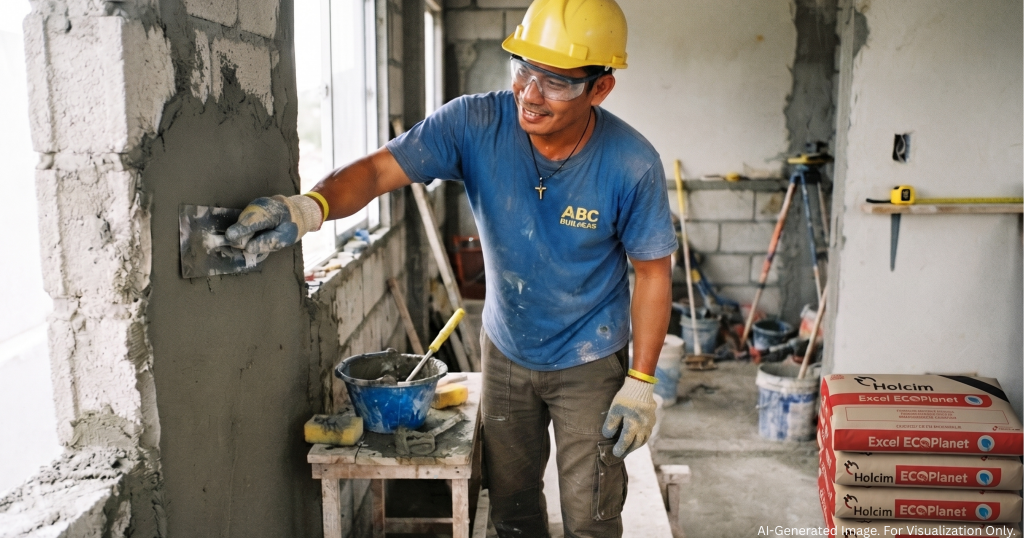
Even the highest-quality waterproofing products cannot perform effectively if they are applied over damaged or contaminated surfaces.
Remove Loose Paint and Perform Efflorescence Treatment
Begin by scraping away all loose, peeling, or blistering paint using a putty knife or wire brush until the concrete surface is clean and stable.
If white, powdery deposits appear on the wall, they are known as efflorescence on walls, mineral salts left behind as moisture evaporates through concrete or masonry. Proper efflorescence treatment is essential before applying any waterproofing products. Clean the affected area using an appropriate cleaning solution, rinse thoroughly, and allow the surface to dry completely. Removing these deposits improves adhesion and helps prevent premature coating failure.
Repair Surface Imperfections
Fill cracks, holes, and uneven areas using a suitable cementitious skimcoat or repair mortar. Allow the repairs to cure according to the manufacturer’s recommendations before applying any waterproofing materials. A smooth, sound surface helps create a continuous waterproofing barrier and improves the performance of the entire system.
Applying the Waterproofing System
Once the concrete substrate has fully cured and the wall surface has been properly prepared, the waterproofing system can be installed.
Select Compatible Waterproofing Products
Choose products specifically formulated for negative-side waterproofing applications, where moisture penetrates from the opposite side of the wall before becoming visible indoors.
Begin by applying a compatible waterproof primer to seal microscopic surface pores and improve adhesion. Follow this with a quality waterproof coating for walls or waterproof wall paint designed for interior masonry applications. Applying these products according to the manufacturer’s recommended coverage rates and curing times helps maximize long-term performance (Pacific Paint [Boysen] Philippines, Inc., 2022).
Seal Vulnerable Joints
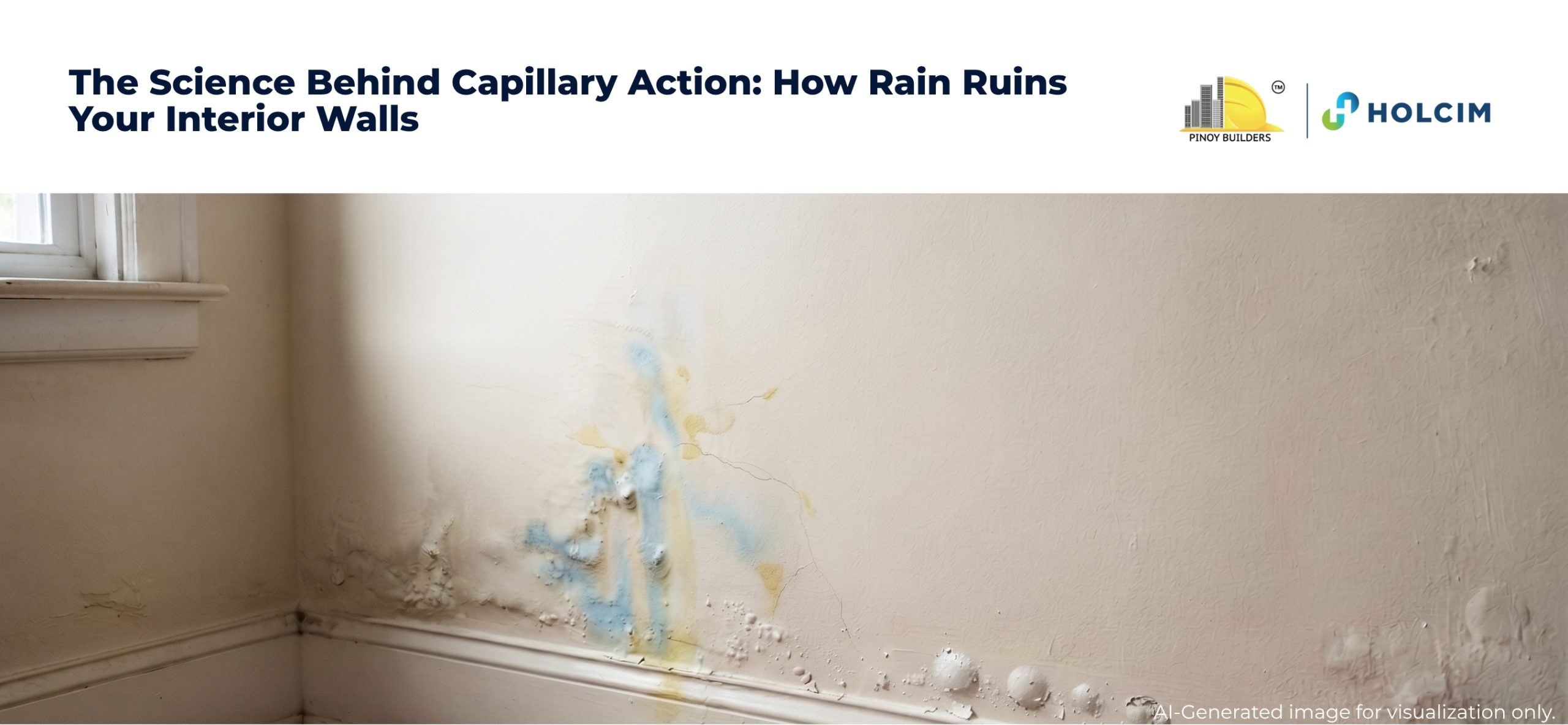
Water can travel upward through concrete and masonry by capillary action, making floor-to-wall joints, corners, and baseboards especially vulnerable to moisture intrusion.
Apply a compatible wall sealant or masonry sealant along these joints to create a continuous barrier that helps prevent water infiltration while protecting interior finishes during prolonged rainfall.
Although uncommon in most Philippine homes, basement wall waterproofing follows the same principle of controlling moisture at joints and concrete interfaces where hydrostatic pressure may be present.
Conclusion
Protecting interior walls during the Philippine rainy season requires more than simply applying waterproof wall paint. Long-term performance begins with a durable, low-permeability concrete substrate, continues through proper surface preparation and efflorescence treatment, and is completed with a compatible waterproof primer, an effective waterproof coating for walls, and quality sealants installed according to manufacturer recommendations.
By combining quality construction materials, including durable concrete made with Holcim Excel Eco Planet, with proper interior wall waterproofing practices and routine maintenance, homeowners can better protect their homes against moisture-related damage while extending the service life of their interior wall finishes.
References
Holcim Philippines. (n.d.). Holcim Excel Eco Planet. https://www.holcim.ph/
Pacific Paint (Boysen) Philippines, Inc. (2022). The Boysen Painting Guide: Surface Preparation and Waterproofing. https://www.boysen.com.ph/painting-guide
Philippine Atmospheric, Geophysical and Astronomical Services Administration. (2023). Climate of the Philippines. Department of Science and Technology. https://bagong.pagasa.dost.gov.ph/information/climate-philippines

 Facebook
 Instagram
 Linkedin
 Twitter
 Youtube
