
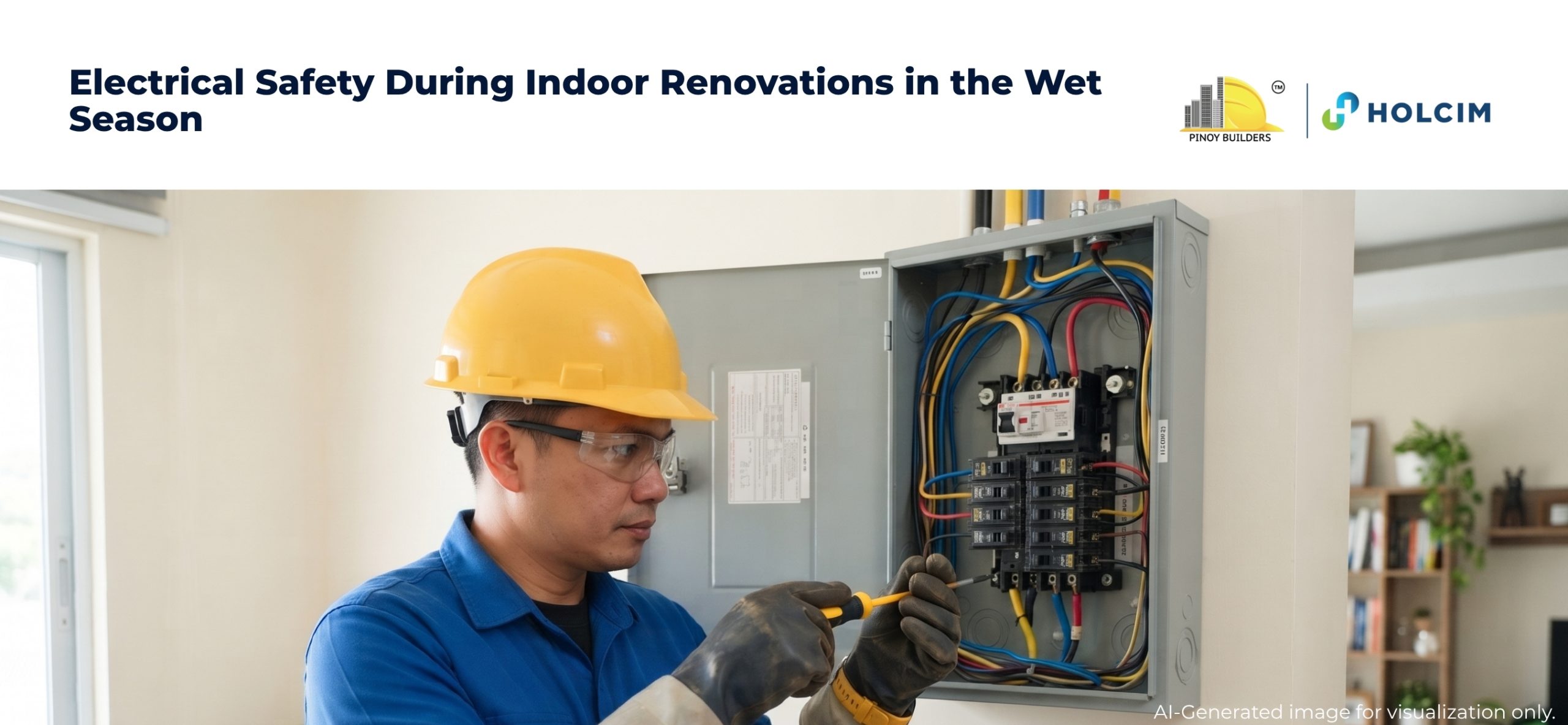
A damp wall can become more than a maintenance problem when electricity is involved. In the Philippines, the Bureau of Fire Protection recorded 3,272 electrical fire incidents nationwide in the first half of 2025, highlighting the continuing risks associated with electrical systems in homes and other buildings. During the rainy season, water entering through walls, ceilings, windows, or other openings can bring additional hazards to electrical outlets, wiring, and equipment. This makes electrical shock prevention an important first step before starting demolition, plastering, plumbing, or other indoor renovation work.
Key Takeaways
- Check for water ingress, damp surfaces, damaged outlets, and exposed wires before starting renovation work.
- Prioritize electrical shock prevention by isolating the appropriate circuit and keeping electrical equipment away from wet areas.
- Use appropriate protection, including ground fault circuit interrupters, waterproof junction boxes, and weatherproof outlet covers, where applicable.
- Follow the Philippine Electrical Code and have electrical work performed by qualified professionals when the work involves wiring, circuits, or electrical installations.
The Hidden Dangers of Wet-Season Renovations
Moisture and Electrical Risks
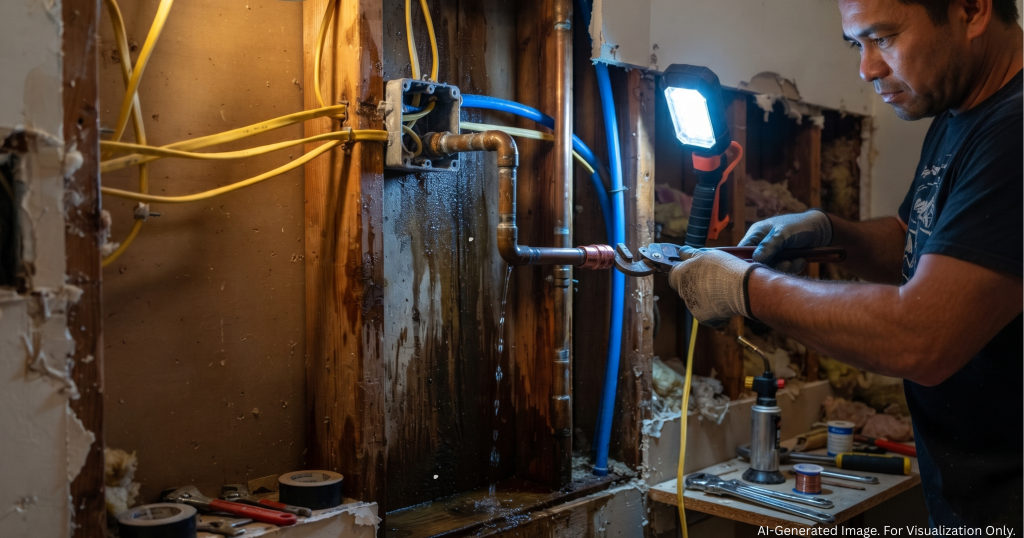
Rainwater and indoor moisture can create dangerous conditions around electrical systems. Damaged wires, loose connections, overloaded outlets, and faulty equipment can increase the risk of short circuits, overheating, and electrical fires. The Department of Energy advises households to check electrical outlets, cords, and extension cords for damage and have defective components repaired to help prevent these hazards.The Philippine Electrical Code (PEC) provides the safety requirements for electrical installations in the country. Its Parts 1 and 2 cover requirements related to electrical installation, operation, and maintenance.
During the Habagat season, renovation areas should receive additional attention because water can enter through windows, roofs, walls, or other openings and reach electrical components.
Start With an Electrical Safety Checklist
Before beginning demolition or wall repairs, use an electrical safety checklist to inspect:
- Outlets and switches near damp or leaking areas
- Exposed, damaged, or hanging wires
- Signs of water or condensation around electrical equipment
- Water entering through windows, ceilings, or walls
- Extension cords and power tools that may be exposed to moisture
If an electrical component has been exposed to water, do not immediately reconnect or operate it. Have the affected equipment or installation assessed by a qualified electrician.
The Philippine Electrical Code serves as the primary reference for electrical installation safety in the country. Philippine regulations recognize the PEC Parts 1 and 2 as governing safety requirements for electrical installation, operation, and maintenance.
Essential Electrical Safety Tips for Damp Areas
Isolate Power Before Work
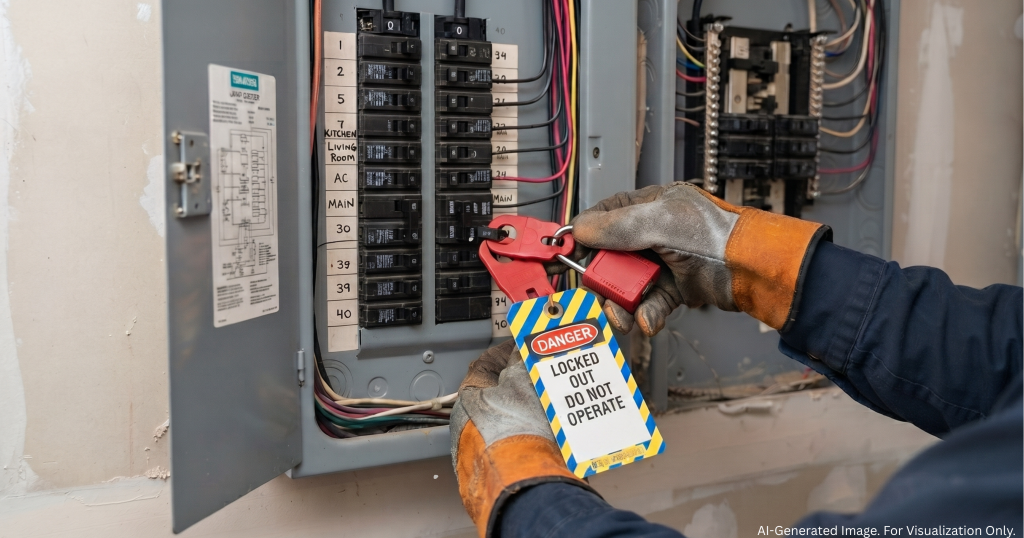
Before working near outlets, switches, or wiring, turn off the appropriate circuit breaker. For electrical work, proper isolation should take priority over simply avoiding contact with visible wires.
Do not work on electrical equipment while standing on wet surfaces or when tools and hands are wet. The Department of Energy likewise advises against operating electrical appliances near water sources such as bathtubs and sinks.
Use Appropriate Tools and Equipment
Use properly maintained insulated electrical tools when electrical work requires them, and never use damaged cords, plugs, or equipment.
For renovation activities that do not require electrical expertise, keep power tools and extension cords away from wet areas. Electrical installations, repairs, and modifications should be handled by qualified electrical professionals in accordance with applicable Philippine requirements.
Preventing Electrical Fires With Proper Protection
Ground Fault Circuit Interrupters
Ground fault circuit interrupters or GFCIs are designed to quickly cut off power when they detect an electrical fault, helping reduce the risk of electric shock. GFCI protection is particularly useful in areas where electrical equipment may come into contact with moisture.
For bathrooms, kitchens, laundry areas, and other locations exposed to moisture, consult a qualified electrician regarding the appropriate protective devices and installation requirements.
Waterproof Junction Boxes and Weatherproof Outlet Covers
Electrical boxes and enclosures installed in damp or wet locations must be suitable for those conditions. A Philippine government project specification, for example, requires boxes installed in damp or wet locations to be specifically approved for the purpose and constructed to prevent moisture from entering or accumulating inside.
Similarly, appropriately rated waterproof junction boxes and weatherproof outlet covers can provide additional protection where electrical components are exposed to moisture or splashing.
Building for Better Moisture Resistance
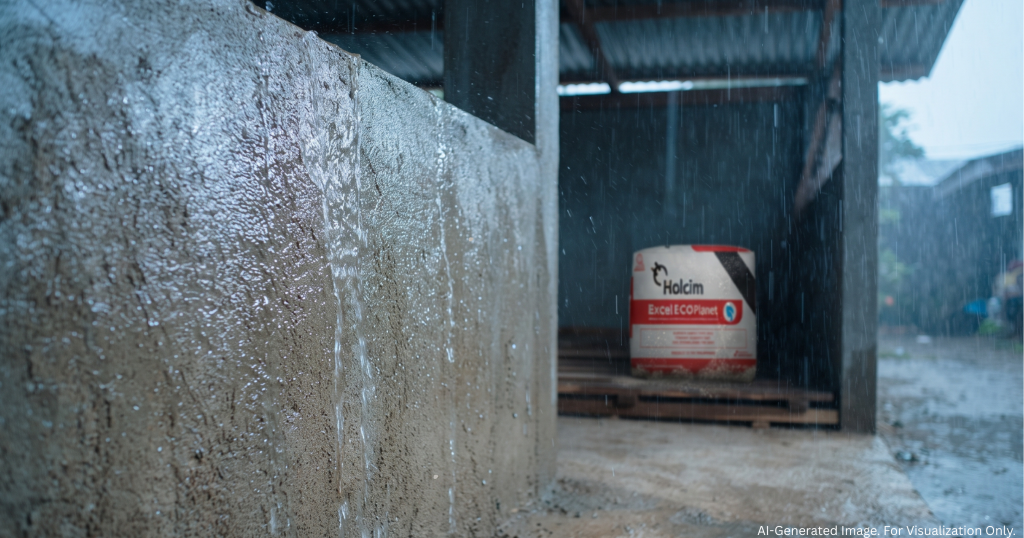
Electrical safety should also be considered alongside the condition of the building itself. Cracked concrete, poorly sealed openings, and inadequate moisture protection can allow water to reach areas containing electrical components.
For concrete and masonry work, choosing the right materials can contribute to a more durable building system. Holcim Excel ECOPlanet, for example, is a blended cement for general construction that Holcim Philippines describes as providing durability, reliable strength, and improved workability. Holcim also reports that concrete made with the cement can help reduce water movement through the concrete, resist sulfate-related damage, and minimize cracking and shrinkage when properly used.
Importantly, Excel ECOPlanet is not a waterproofing product. Its role is as a durable cement within a properly designed and constructed concrete system. Waterproofing membranes, sealants, drainage, detailing, and proper construction practices remain necessary where waterproofing is required.
The Golden Rule of Construction Safety
Prevention Comes Before Speed
Renovation work should never be rushed at the expense of electrical safety. Before starting, inspect the area, isolate the appropriate circuits, keep electrical equipment away from moisture, and address damaged wiring or outlets through a qualified professional.
The Department of Energy specifically recommends checking electrical outlets, cords, and extension cords for damage and repairing defective components to reduce the risk of short circuits and electrical fires.
When water has reached electrical components or the work area becomes unsafe, stop the renovation until the electrical hazard has been properly addressed.
Conclusion
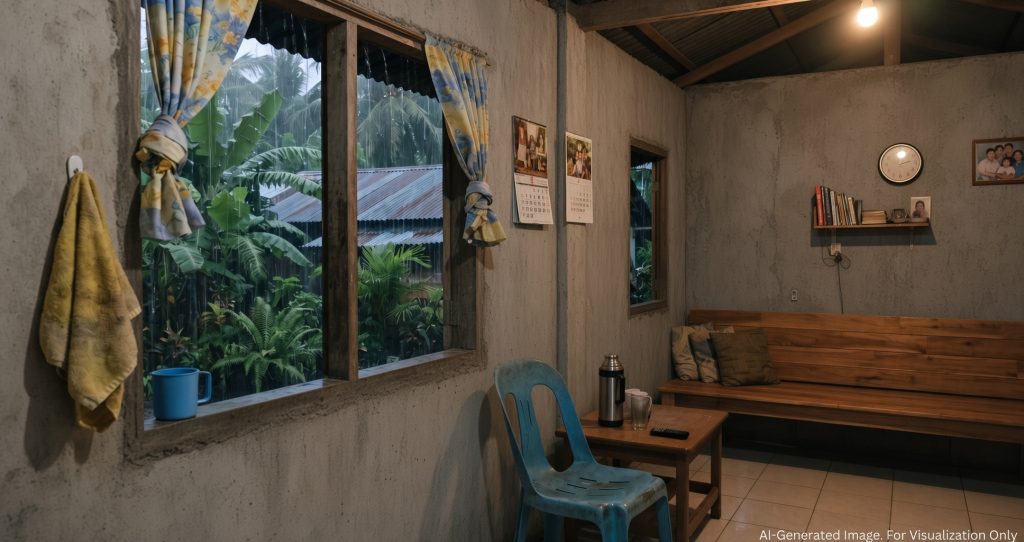
Wet-season renovations require more than protecting walls and finishes from rain. They also require proper electrical safety tips, effective electrical shock prevention, and a thorough electrical safety checklist before work begins. By keeping electrical systems away from moisture, using appropriate protective devices, following the Philippine Electrical Code, and addressing moisture issues as part of the overall building system, homeowners and renovation teams can make indoor improvements safer throughout the Philippine rainy season.
References
Department of Energy. (n.d.). Energy safety: Electrical energy safety tips. Republic of the Philippines.
Department of Energy. (2024, March 24). Safety precautions can prevent “electrical fires”. Republic of the Philippines.
Department of Education. (2026). Philippine Electrical Code for residential wiring. Republic of the Philippines.
Energy Regulatory Commission. (n.d.). Philippine Distribution Code: Safety standards for distribution utilities and suppliers. Republic of the Philippines.
Holcim Philippines, Inc. (2023, April 17). Holcim relaunches flagship product as Excel ECOPlanet.
Holcim Philippines, Inc. (n.d.). Cement.
Philippine Atmospheric, Geophysical and Astronomical Services Administration. (2026, June 4). Onset of the rainy season. Department of Science and Technology.
Supreme Court of the Philippines. (2008). PRC Board of Electrical Engineering Resolution No. 18, s. 2008: Adoption of the revised (5th edition) Philippine Electrical Code Part 2. Supreme Court E-Library.
Bureau of Fire Protection. (2025). 1st semester CY 2025 narrative accomplishment report. Republic of the Philippines.





 Facebook
 Instagram
 Linkedin
 Twitter
 Youtube
