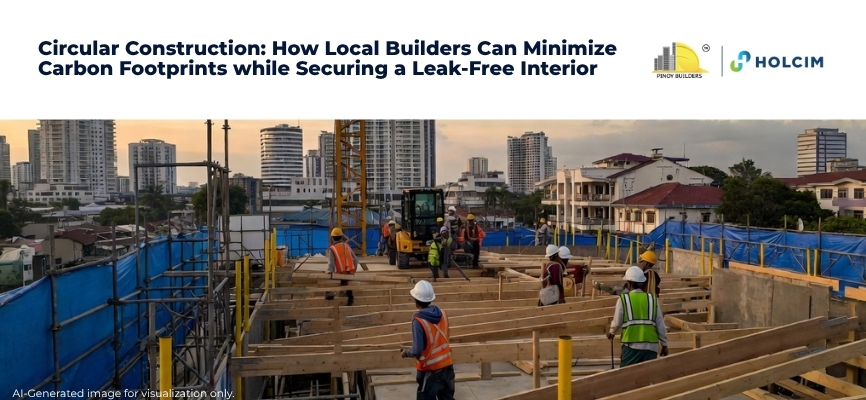
The Philippine construction industry is at a critical juncture. With the country consistently ranking among the most vulnerable to climate change, the need for resilient, sustainable architecture has never been more urgent. Enter the “Circular Loop” concept, an emerging approach to modern Philippine building design that moves away from the traditional “take-make-dispose” model. By embracing a circular economy in buildings, local developers can create structures that are not only environmentally responsible but also highly resilient to the harsh realities of tropical typhoons and intense humidity. But how exactly do we achieve this balance? It starts by understanding what is carbon footprint in the built environment, the total greenhouse gas emissions caused directly and indirectly by building construction and operation, and actively mitigating it through circular design principles (Adams et al., 2017).
Key Takeaways
- The “Circular Loop” Concept: An emerging approach to modern Philippine building design that integrates circular economy principles to improve sustainability and resilience.
- Eco-Friendly Sourcing: Utilizing eco-friendly, recycled-content, and local building materials drastically reduces transportation emissions and prevents landfill construction waste.
- Lifecycle Extension: Durable, low-emission waterproofing membranes provide significant financial and environmental benefits, extending the lifecycle of structural concrete by decades.
- Moisture Prevention: Combining sustainable materials with smart, passive ventilation prevents moisture retention, creating a healthier, cooler, and greener indoor climate.
Sourcing Smartly: Local Materials and Waste Reduction
The foundation of a circular economy building lies in its materials. Historically, the importation of heavy construction supplies has contributed significantly to the industry’s emissions. By pivoting to local building materials, such as locally engineered bamboo, recycled aggregates, and regionally sourced timber, builders can drastically reduce the transportation emissions associated with their supply chains.
Furthermore, utilizing materials with high recycled content diverts significant amounts of construction and demolition waste from heavily burdened Philippine landfills (United Nations Environment Programme, 2023). This approach not only stimulates the local economy but ensures that the materials used are inherently suited to the local climate, forming the basis of a truly sustainable construction loop.
The Core of Longevity: Advanced Waterproofing Systems
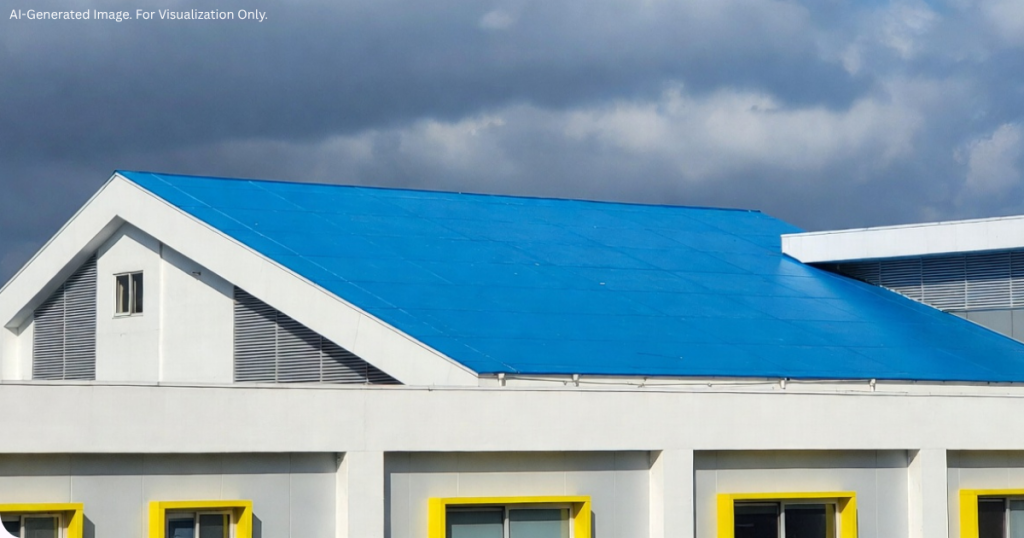
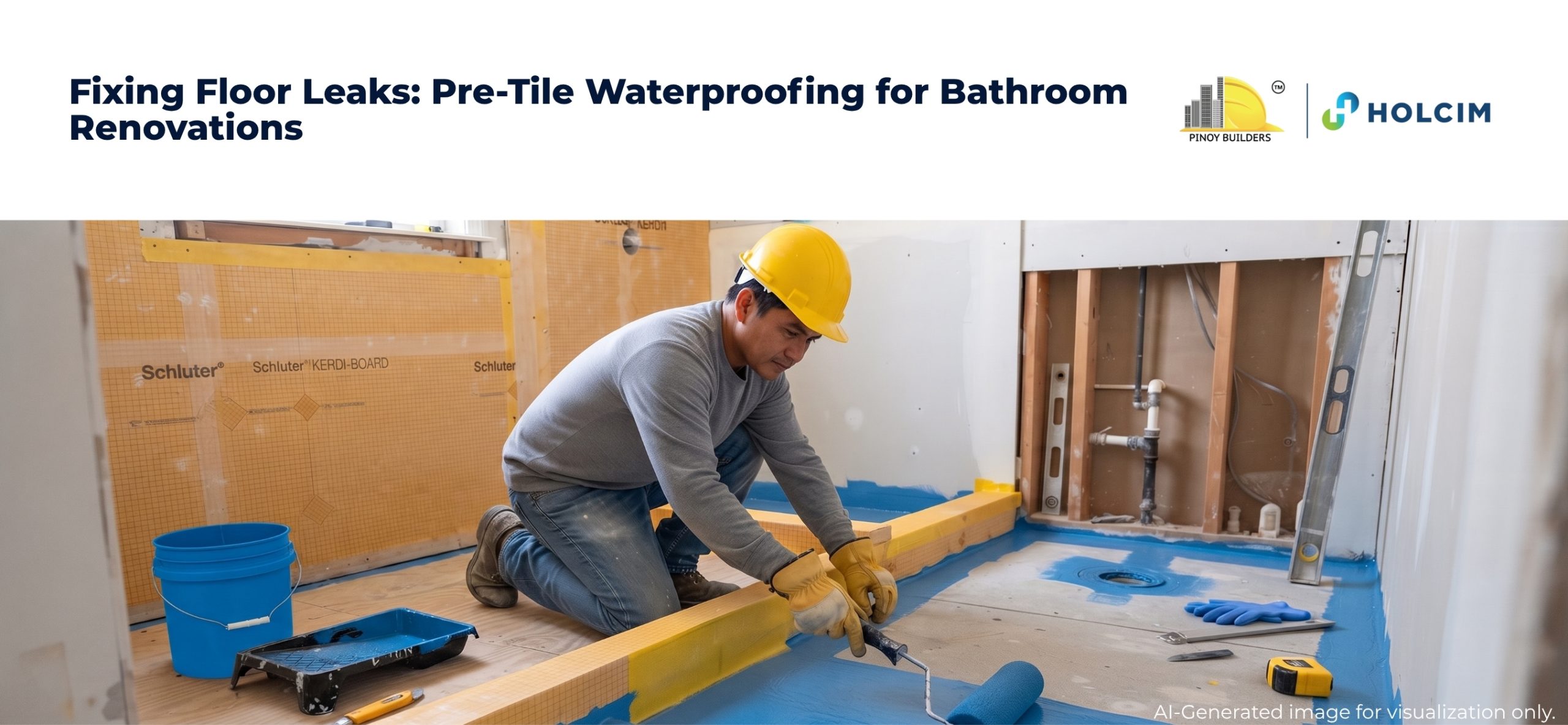
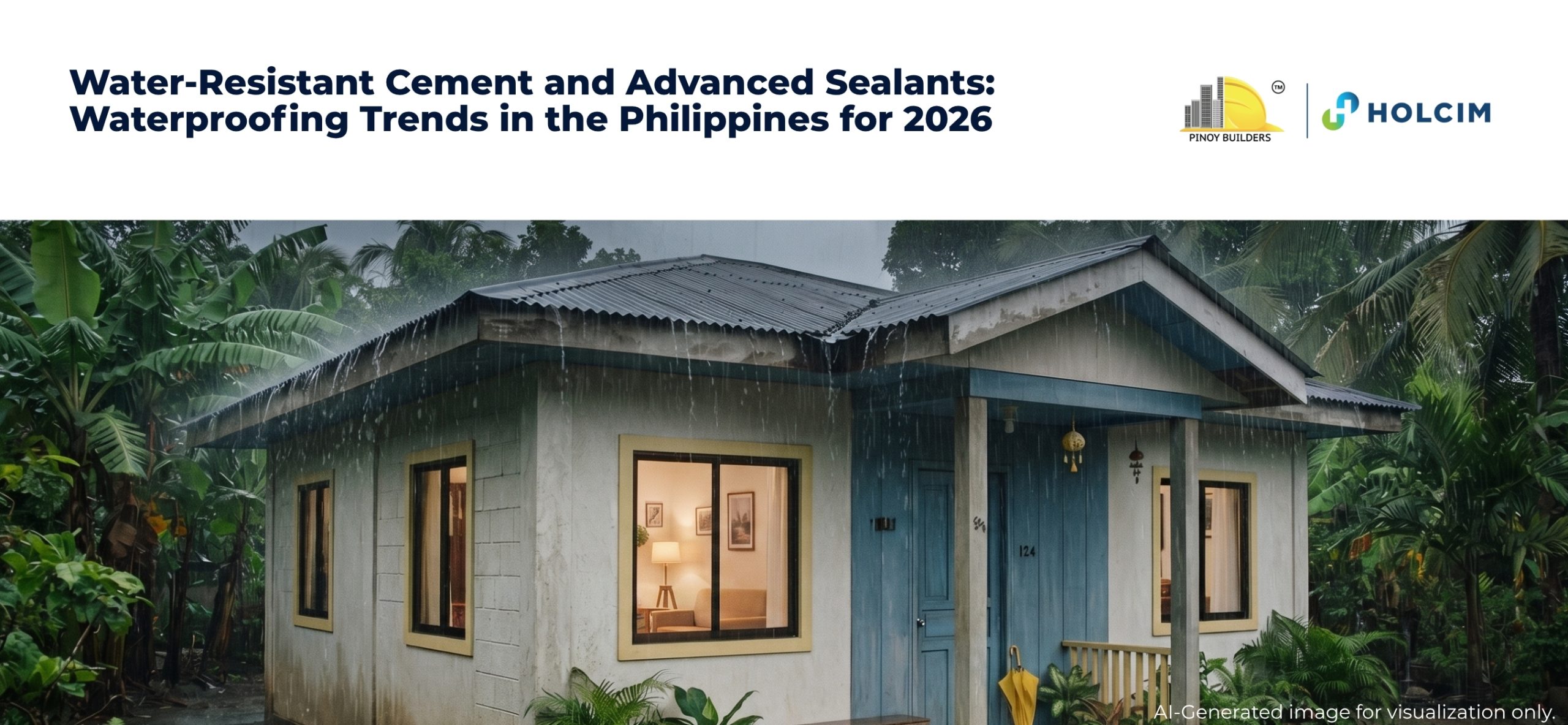
In a country that experiences an average of 20 typhoons a year alongside a rigorous monsoon season (Habagat), structural durability is synonymous with sustainability. A building that frequently requires repairs due to water ingress possesses a highly inflated lifecycle carbon footprint. Therefore, investing in durable, low-emission waterproofing membranes is both a financial and environmental imperative.
When structural concrete is protected by a high-grade moisture barrier, its lifecycle is extended by decades, delaying the need for carbon-intensive rebuilding or structural remediation (Mehta & Monteiro, 2014). Modern innovations also allow for the integration of green roof waterproofing systems. These systems do double duty: they provide an impenetrable defense against heavy rains while supporting rooftop vegetation that absorbs tropical heat, manages stormwater runoff, and drastically lowers the building’s cooling demands.
Breathing Buildings: Passive Ventilation and Moisture Control
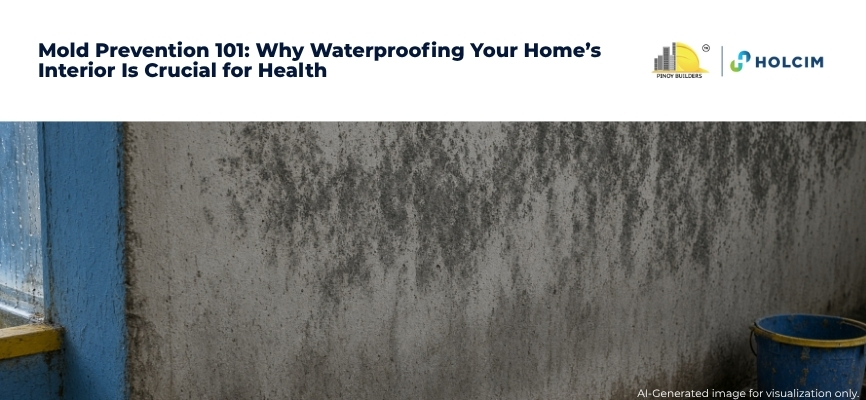
Securing a leak-free interior is only half the battle in the Philippines; managing internal moisture is equally crucial. In environments where humidity regularly exceeds 80%, trapping stagnant air indoors can lead to severe condensation, mold growth, and “sick building syndrome.”
The circular construction approach evaluates how sustainable materials interact with airflow. By combining moisture-resistant, breathable materials with smart, passive ventilation strategies, such as cross-ventilation corridors, louvered windows, and thermal mass walls, builders can prevent moisture retention entirely (Bay & Ong, 2006). This synergy creates a healthier, cooler, and greener indoor climate that relies less on energy-intensive air conditioning and more on the natural flow of the local environment.
Conclusion
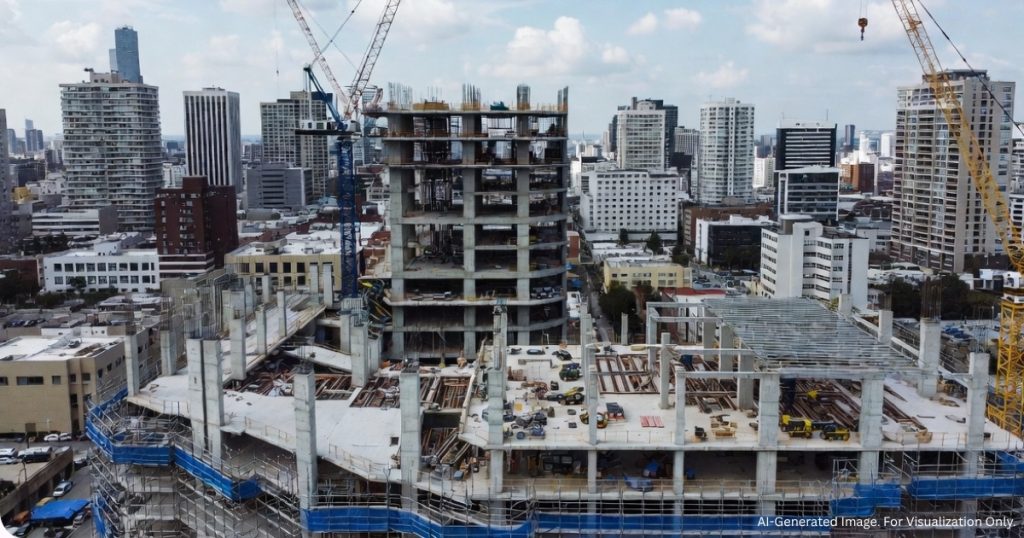
Transitioning to circular construction in the Philippines is no longer just an idealistic goal; it is a practical necessity for future-proofing our cities. By utilizing local materials, deploying advanced waterproofing technologies, and embracing passive tropical design, local builders can significantly minimize their environmental impact. Ultimately, securing a leak-free, breathable interior through circular principles protects both our structural investments and the environment we rely on.
References
Adams, K. T., Osmani, M., & Thorpe, T. (2017). Circular economy in construction: Current awareness, challenges and enablers. Waste and Resource Management, 170(1), 15-24. https://doi.org/10.1680/jwarm.16.00011
Bay, J. H., & Ong, B. L. (2006). Tropical sustainable architecture: Social and environmental dimensions. Architectural Press.
Mehta, P. K., & Monteiro, P. J. M. (2014). Concrete: Microstructure, properties, and materials (4th ed.). McGraw-Hill Education.
United Nations Environment Programme. (2023). Building materials and the climate: Constructing a new future. Nairobi, Kenya: United Nations Environment Programme. https://www.unep.org/resources/report/building-materials-and-climate-constructing-new-future



 Facebook
 Instagram
 Linkedin
 Twitter
 Youtube
