
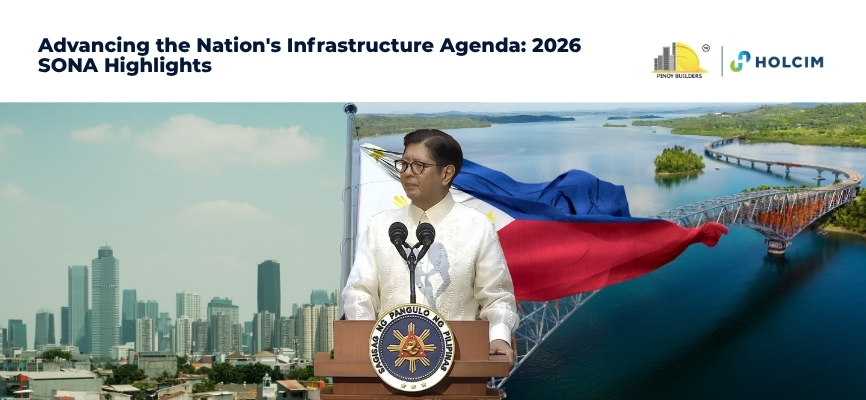
The recent State of the Nation Address (SONA) emphasized the administration’s continued focus on sustainable infrastructure development, with increased attention given to public asset management, national connectivity, and structural resilience. By prioritizing national mobility, connectivity, and structural longevity, the administration outlined a comprehensive agenda designed to support long-term economic growth and resilience across the Philippines (Philippine Information Agency, 2026).
Key Takeaways
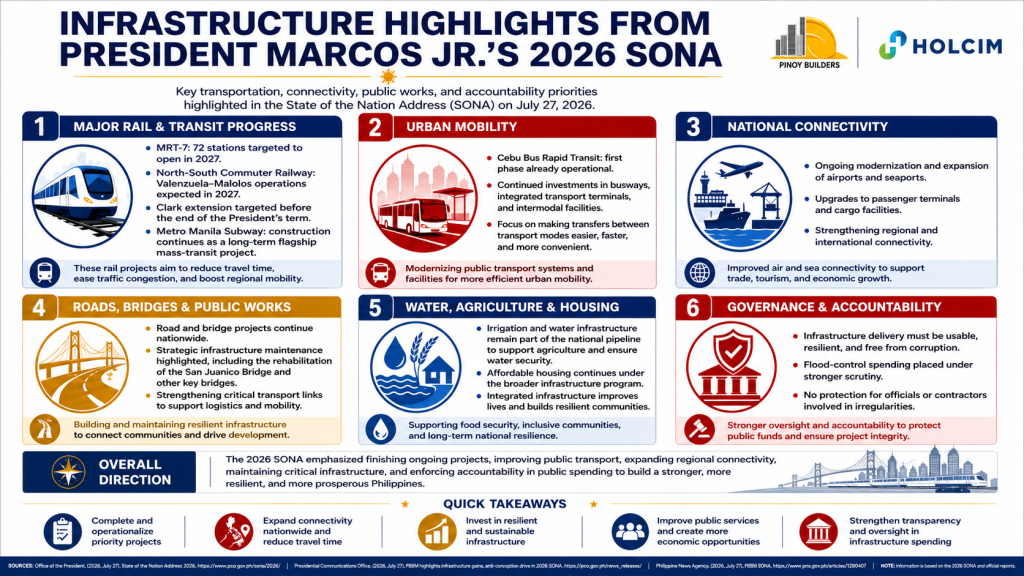
- The administration reported the restoration and reopening of several critical bridges along the Maharlika Highway, ensuring seamless travel and reliable logistics.
- The administration highlighted a stronger focus on infrastructure maintenance and the structural rehabilitation of existing public assets alongside the continued development of new infrastructure projects.
- The “Build Better More” program remains a primary economic catalyst, maintaining strong public infrastructure investment to drive national growth.
- The administration emphasized adherence to engineering standards and durable construction to improve infrastructure longevity and public safety.
Rehabilitation of Critical National Bridges
The foundation of regional economic growth relies heavily on functional transport networks. In the recent SONA, the administration highlighted the successful bridge rehabilitation of several strategic structural assets across the country, restoring vital links across major land transport corridors.
Restoring Connectivity Across Transport Corridors
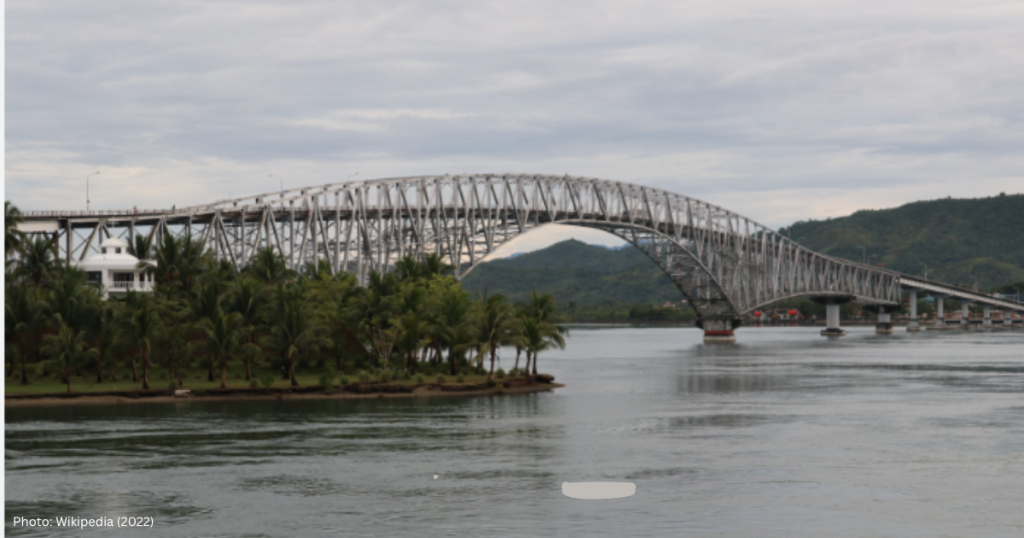
Key infrastructure such as the San Juanico Bridge, Liloan Bridge, and Calbiga Bridge in the Visayas, alongside the Cabagan–Sta. Maria Bridge, Piggatan Bridge, and Panul-iran Bridge, underwent immediate rehabilitation and have successfully resumed operations (Department of Public Works and Highways, n.d.). These bridges are vital segments of the Maharlika Highway (Pan-Philippine Highway), ensuring the uninterrupted movement of people, goods, and essential services from Luzon to Mindanao.
The rehabilitation strategy heavily prioritized keeping these bridges operational during repairs to minimize disruptions to commerce, daily transportation, and overall supply chain connectivity.
Infrastructure Resilience and Preventive Maintenance
A defining theme of the address was the shifting of focus from solely expanding physical assets to implementing proactive highway maintenance and strengthening existing infrastructure before they face critical structural failure.
The Shift to a Maintenance-First Approach
Resilient infrastructure was underscored as an essential component for disaster preparedness, supply chain stability, and localized economic development (VERA Files, 2025). The administration presented structural strengthening projects as long-term investments intended to extend infrastructure service life, improve public safety, and reduce future maintenance requirements. By conducting extensive structural assessments and establishing preventive maintenance protocols instead of waiting for total deterioration, the government is effectively extending the service life of these assets alongside new developments.
Continued Implementation of the Build Better More Program
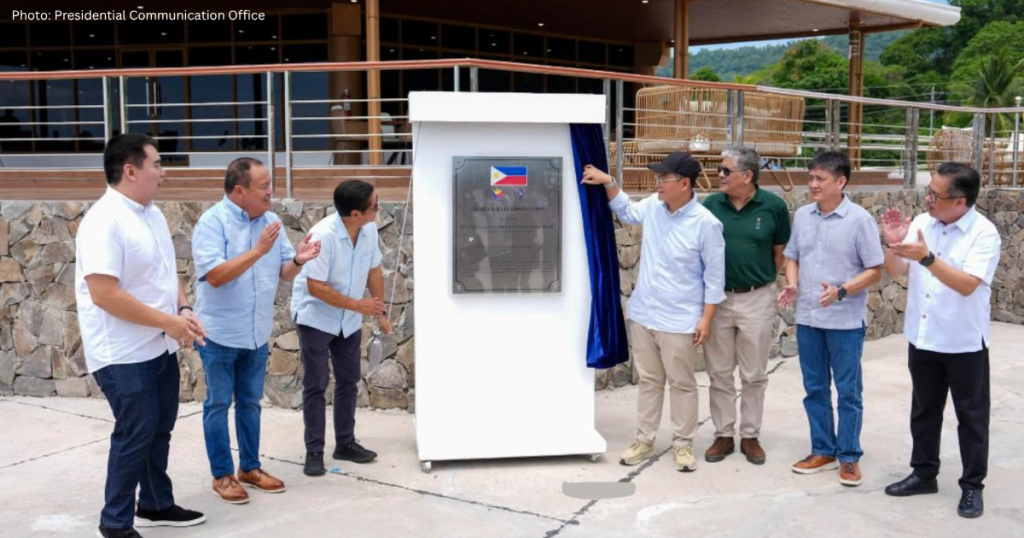
The administration reaffirmed its steadfast commitment to the “Build Better More” program as a primary economic driver, aiming to foster an equitable, prosperous, and globally competitive Philippines.
Driving Economic Growth through Strategic Investments
The program continues to channel substantial funding toward comprehensive infrastructure development. Ongoing flagship projects continue the expanding of railways, airports, seaports, expressways, flood control systems, and urban mobility initiatives (VERA Files, 2025). The administration continues to frame this high volume of public infrastructure investment as a key catalyst for employment generation, efficiency in logistics, and long-term economic growth.
Quality, Accountability, and Public Infrastructure Standards
The SONA strongly reiterated that government-funded infrastructure must deliver lasting value to the Filipino people, stressing that structural projects should be built to withstand long-term use and severe environmental challenges.
Ensuring Lasting Value and Engineering Excellence
The government reinforced the importance of high engineering quality and responsible project implementation to maximize the return on public investments. The administration described civil engineering projects as investments intended to improve not merely as physical construction efforts, but as the very foundation for improving public service delivery, regional accessibility, and overall national productivity. By adhering to strict engineering standards and promoting durable construction, the SONA linked reliable infrastructure with improved mobility, logistics efficiency, and broader economic resilience. (Philippine Information Agency, 2026).
Enhancing Transport Networks and Local Access
The government has successfully accelerated physical connectivity through strategic physical infrastructure projects (Office of the President, 2026). The Camalaniugan Bridge, which opened in January 2026, drastically reduced travel time between Aparri and Ballesteros in Cagayan from one hour to just 20 minutes (Office of the President, 2026). Similarly, the Davao River Bridge (Bucana Bridge), opened in December 2025, cut the commute between Bago Aplaya and Roxas Junction in Davao City from 45 minutes to 15 minutes (Office of the President, 2026). Furthermore, rural connectivity saw significant upgrades with the completion of 3,259.71 kilometers of Farm-to-Market Roads between July 2022 and May 2026 (Office of the President, 2026).
Upholding Integrity in Civil Engineering Projects
To protect public infrastructure investment and ensure adherence to strict standards, the government aggressively confronted anomalies in the implementation of flood control systems (Office of the President, 2026). As of July 20, 2026, 12 cases involving more than 100 individuals were referred to the Ombudsman for investigation regarding these projects (Office of the President, 2026). This decisive action resulted in the freezing of 6,692 bank accounts and the preservation, seizure, or surrender of PhP24.7 billion in assets by March 23, 2026 (Office of the President, 2026). Furthermore, 18 civil forfeiture petitions covering PhP10.3 billion in preserved assets were filed in courts by late June 2026 (Office of the President, 2026).
Conclusion
The recent State of the Nation Address and the administration’s progress reports highlight infrastructure as a key area of government focus, emphasizing the continued implementation of major projects alongside the maintenance and rehabilitation of existing public assets (Office of the President, 2026). These priorities underscore the role of infrastructure in improving connectivity, supporting economic activity, and enhancing the delivery of essential public services. As these initiatives progress, their long-term impact will depend on sustained implementation, effective resource management, and continued oversight to ensure that public investments deliver meaningful benefits to communities across the country (Office of the President, 2026).
References
Department of Public Works and Highways. (n.d.). Terms of Reference: Consultancy Services for the Conduct of Feasibility Study for Structural and Foundation Analysis and Investigation on the Rehabilitation/Repair of San Juanico Bridge. https://www.dpwh.gov.ph/dpwh/sites/default/files/webform/consultancy/advertisement/23csi008-tor.pdf
Philippine Information Agency. (2026, July 28). PBBM’s 2026 SONA cites infrastructure resilience with restored Eastern Visayas bridges. https://pia.gov.ph/news/pbbms-2026-sona-cites-infrastructure-resilience-with-restored-eastern-visayas-bridges/
VERA Files. (2025, July 18). SONA 2022 PROMISE TRACKER: INFRASTRUCTURE. https://verafiles.org/articles/sona-2022-promise-tracker-infrastructure
Office of the President. (2026). The President’s report to the people 2022-2026: A primer. Bagong Pilipinas.








 Facebook
 Instagram
 Linkedin
 Twitter
 Youtube
