
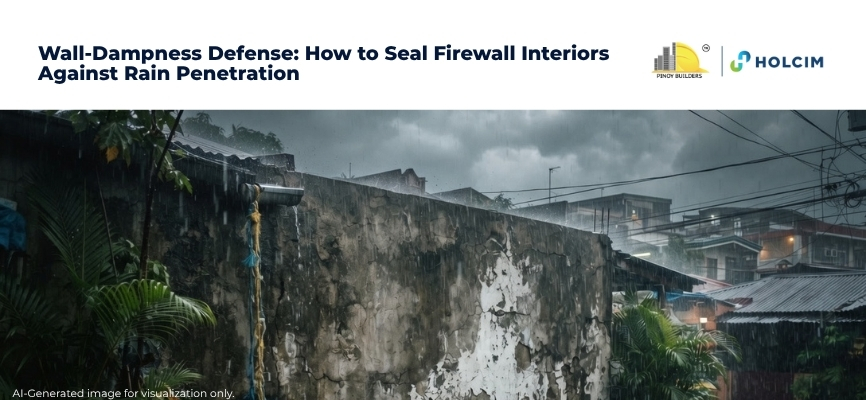
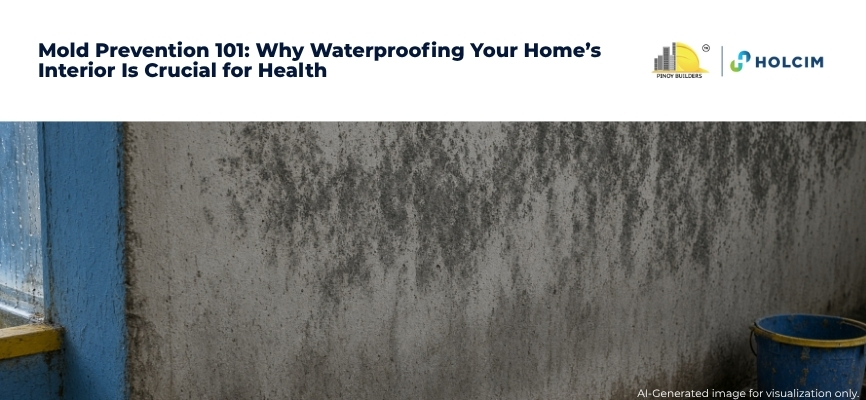
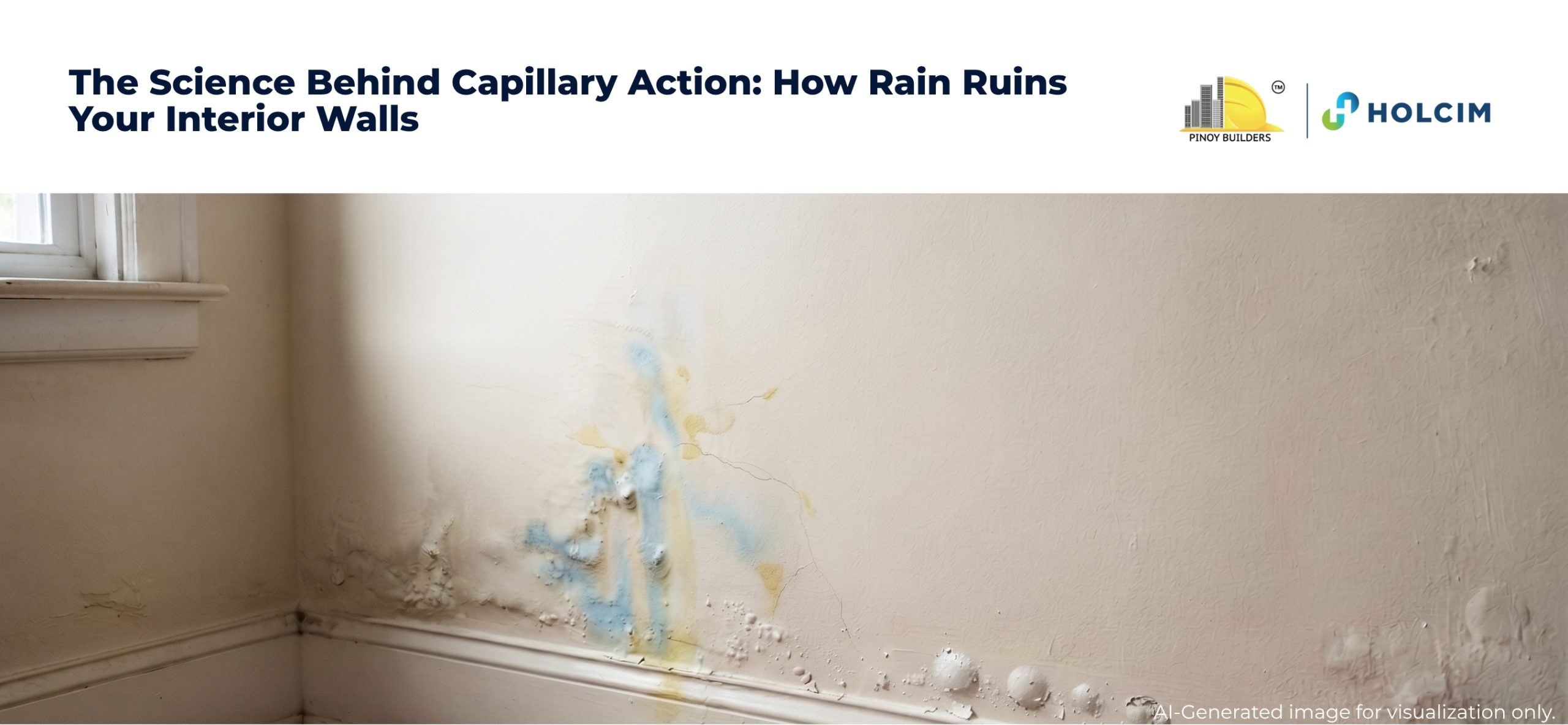
The Philippine Southwest Monsoon, locally known as Habagat, brings life-giving rain but also a predictable seasonal struggle for local homeowners: continuous moisture leak through structural firewall systems. During these months of relentless downpours, even seemingly solid concrete walls can succumb to dampness, resulting in peeling paint, mold growth, and compromised indoor air quality. For the ambitious DIY builder, mastering wall-dampness defense is an essential skill to protect the integrity and comfort of the home against severe tropical weather.
Key Takeaways:
- Address the exterior first: Interior sealing is only fully effective when coupled with reliable exterior water-shedding designs and crack repairs.
- Identify the pathways: Moisture typically enters through hairline plaster cracks, unsealed concrete hollow block joints, and general exterior wall degradation.
- Apply multi-layer defenses: Effective interior protection requires a combination of patching materials, negative-side waterproofing, and specialized protective plasters like the Holcim Tector range.
The Habagat Challenge: Understanding Rain Penetration
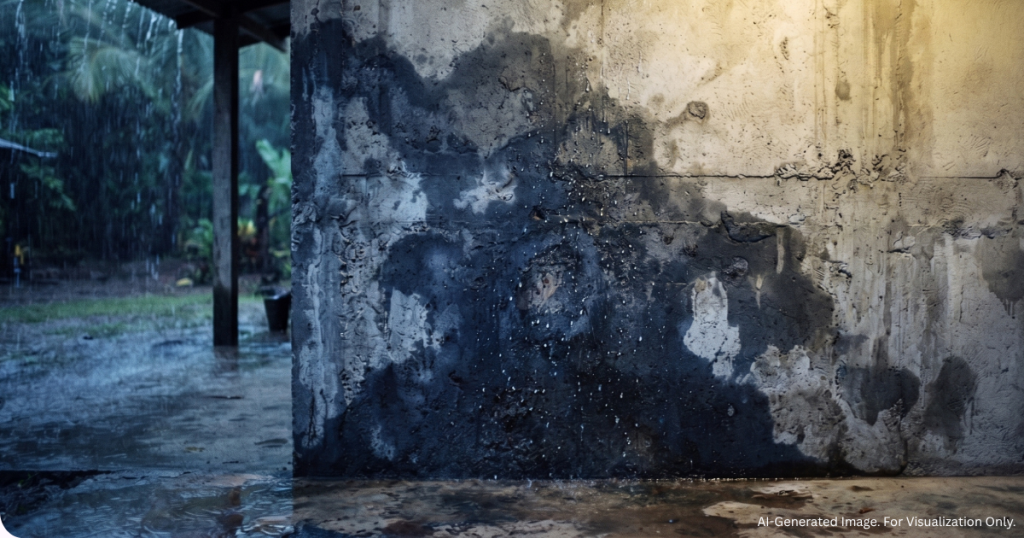
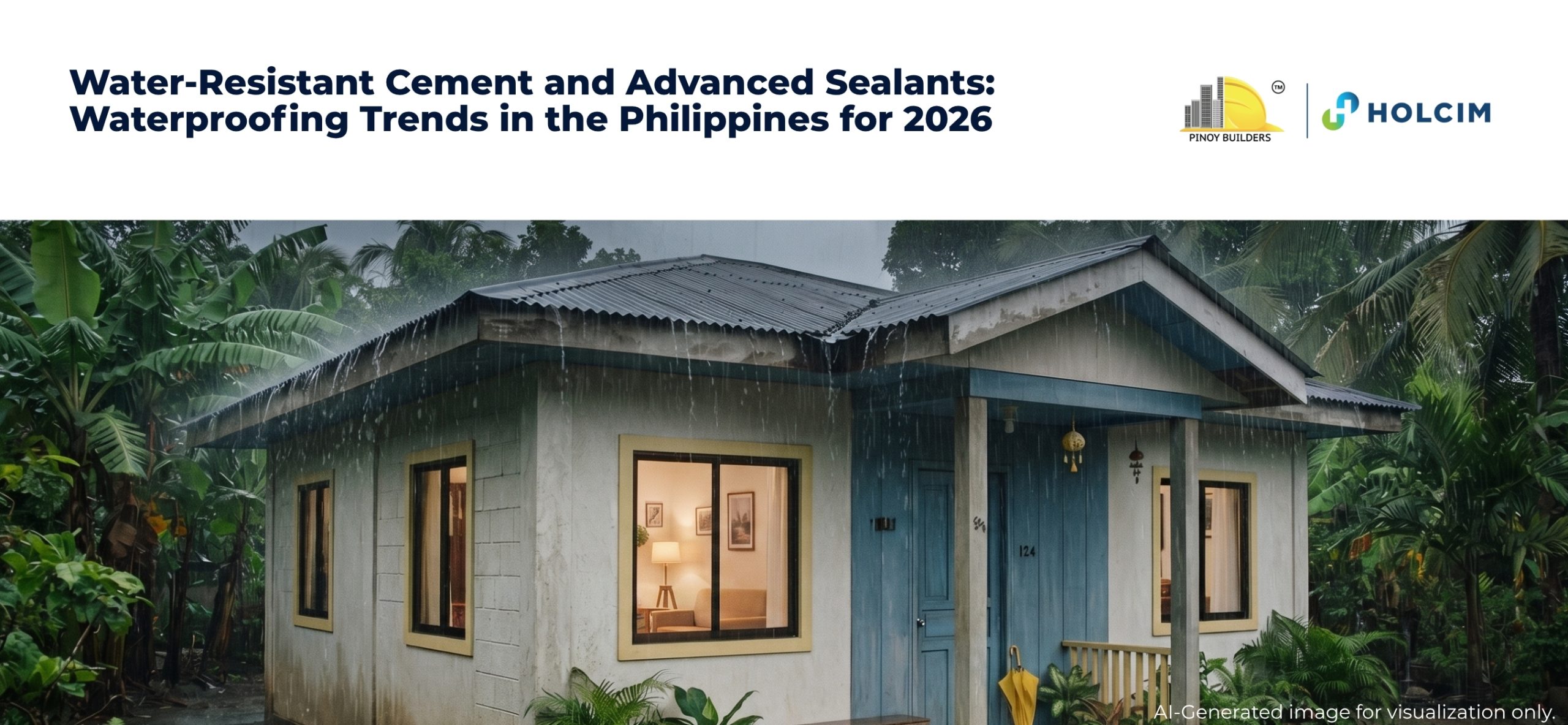
In the Philippines, firewalls are typically constructed right on the property line to maximize lot space. Because they lack roof overhangs for protection, they bear the full brunt of wind-driven rains during typhoons and the Habagat season (Philippine Atmospheric, Geophysical and Astronomical Services Administration [PAGASA], 2023). This continuous exposure leads to severe rain penetration, where hydrostatic pressure forces water through the microscopic pores of concrete and masonry, eventually manifesting as damp patches on your interior walls.
Identifying Structural Pathways of Water Intrusion
Before applying any interior solutions, a DIY builder must understand how water bypasses the structural defenses of a home. Concrete is inherently porous, but water usually finds paths of least resistance through specific structural failures.
Hairline Plaster Cracks and Exterior Wall Degradation
Over time, temperature fluctuations common in the Philippine tropical climate cause concrete to expand and contract. This thermal movement, combined with normal building settlement, creates hairline cracks in the exterior plaster. While they may look superficial, these cracks act as capillary tubes, drawing rainwater deep into the wall assembly (Gillesania, 2017). Furthermore, prolonged UV exposure and heavy rains degrade exterior paint, stripping the wall of its primary water-repellent layer.
Unsealed Concrete Hollow Block (CHB) Joints
Standard Philippine construction relies heavily on Concrete Hollow Blocks (CHB). If the mortar joints between these blocks are poorly mixed, inadequately cured, or left unsealed during construction, they become major conduits for water. Effective concrete block wall waterproofing requires addressing these joints, as the mortar is often more porous than the block itself.
The Golden Rule: Address the Exterior First
It is a critical rule in construction that interior sealing is only fully effective when coupled with reliable exterior water-shedding designs. Attempting to trap water inside the wall by only sealing the interior will eventually lead to the concrete deteriorating from within. Whenever safely accessible, homeowners must first address exterior cracks using elastomeric sealants or exterior-grade waterproofing paints. The interior defense strategies discussed below are meant to serve as a robust secondary barrier against moisture that manages to bypass the exterior envelope.
Building Your Multi-Layer Defense: Interior Waterproofing Strategies
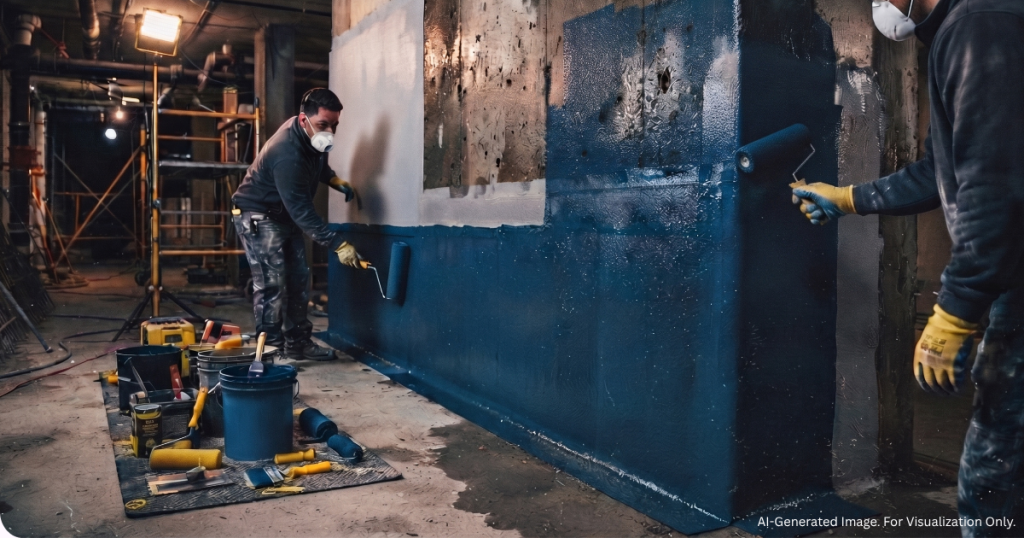
When exterior access is limited, a common issue with zero-lot-line firewalls, or as a supplementary defense, treating the inside of the wall is necessary. This approach is known in the industry as negative-side waterproofing, meaning you are applying the waterproofing barrier to the side of the wall opposite to where the water is entering (the positive side).
Step 1: Surface Preparation and Patching Active Leaks
The interior surface must be stripped down to the bare concrete. Remove all peeling paint, loose plaster, and efflorescence (the white, powdery residue left by evaporated water). If you discover active leaks or large cracks weeping water, standard cement will wash away. Instead, use hydraulic cement. This specialized compound expands as it cures and sets within minutes, effectively plugging holes and stopping flowing water in its tracks.
Step 2: Applying the Base Waterproofing Layer
Once the wall is clean and major holes are plugged, apply a penetrative base layer. Crystalline waterproofing compounds are highly recommended for concrete walls. When applied to a damp surface, the active chemicals in the slurry react with the un-hydrated cement particles and moisture within the wall to form insoluble crystals. These crystals grow deep into the concrete’s pores and capillary tracts, blocking the passage of water from the inside out.
Step 3: Skimcoating and Protective Plasters
For the final defensive layer and to prepare the wall for aesthetic finishing, DIY builders should apply multi-layer defenses on interior wall surfaces using water-resistant skimcoats and protective plasters. A prime example of this is the Holcim Tector range, which is specifically formulated to provide superior adhesion and water resistance compared to standard mixtures (Holcim Philippines, n.d.).
Using a high-quality modified polymer skimcoat acts as an excellent waterproofing coating. It creates a smooth, durable barrier that not only finishes the interior waterproofing process but also provides a resilient substrate that prevents future moisture from ruining your interior paint job.
Conclusion
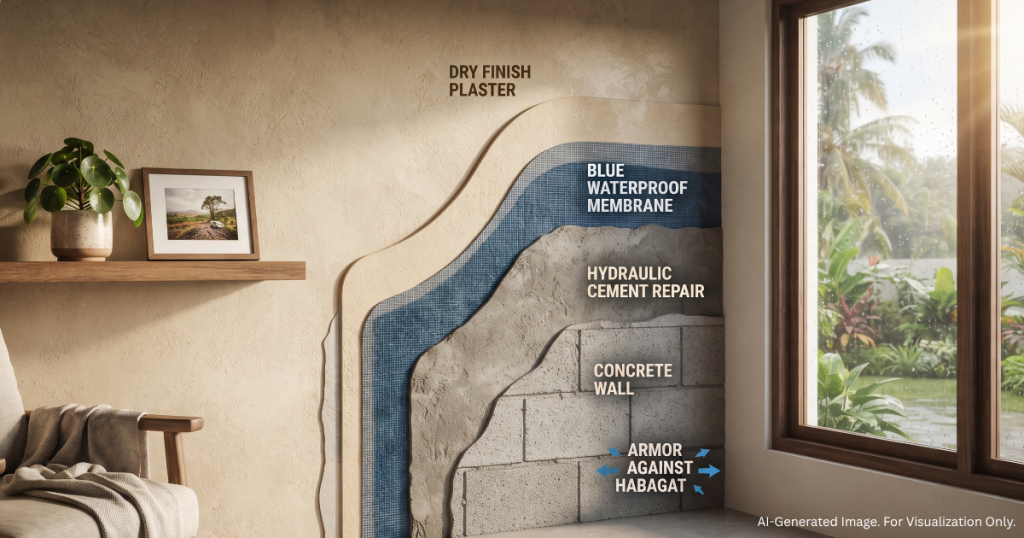
Defending your firewall against the harsh Philippine monsoon requires a strategic, multi-layered approach. By understanding how water travels through concrete hollow blocks walls, prioritizing exterior repairs when possible, and utilizing advanced materials like hydraulic cement and water-resistant protective plasters, DIY builders can effectively banish wall dampness and protect their homes from the inside out.
References
Gillesania, D. I. (2017). Simplified Construction Estimate (3rd ed.). Gillesania Engineering Review and Training Center.
Holcim Philippines. (n.d.). Holcim Tector Plaster. Retrieved July 21, 2026, from https://www.holcim.ph/
Philippine Atmospheric, Geophysical and Astronomical Services Administration (PAGASA). (2023). Climate of the Philippines. DOST-PAGASA. https://bagong.pagasa.dost.gov.ph/information/climate-philippines



 Facebook
 Instagram
 Linkedin
 Twitter
 Youtube
