
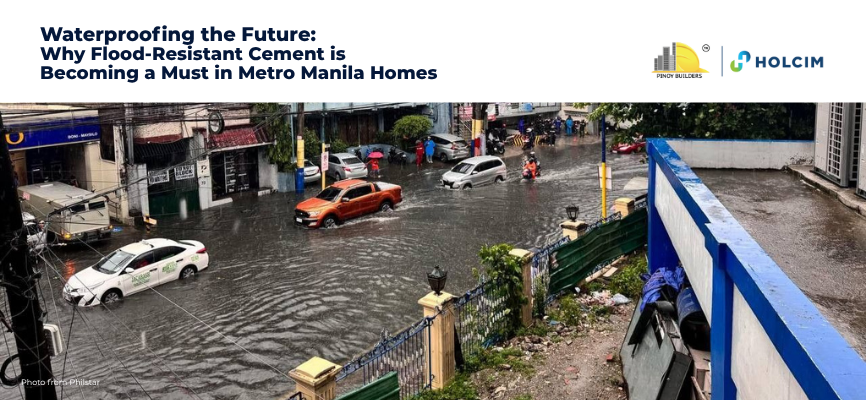
The Rising Flood Risk in Metro Manila Construction
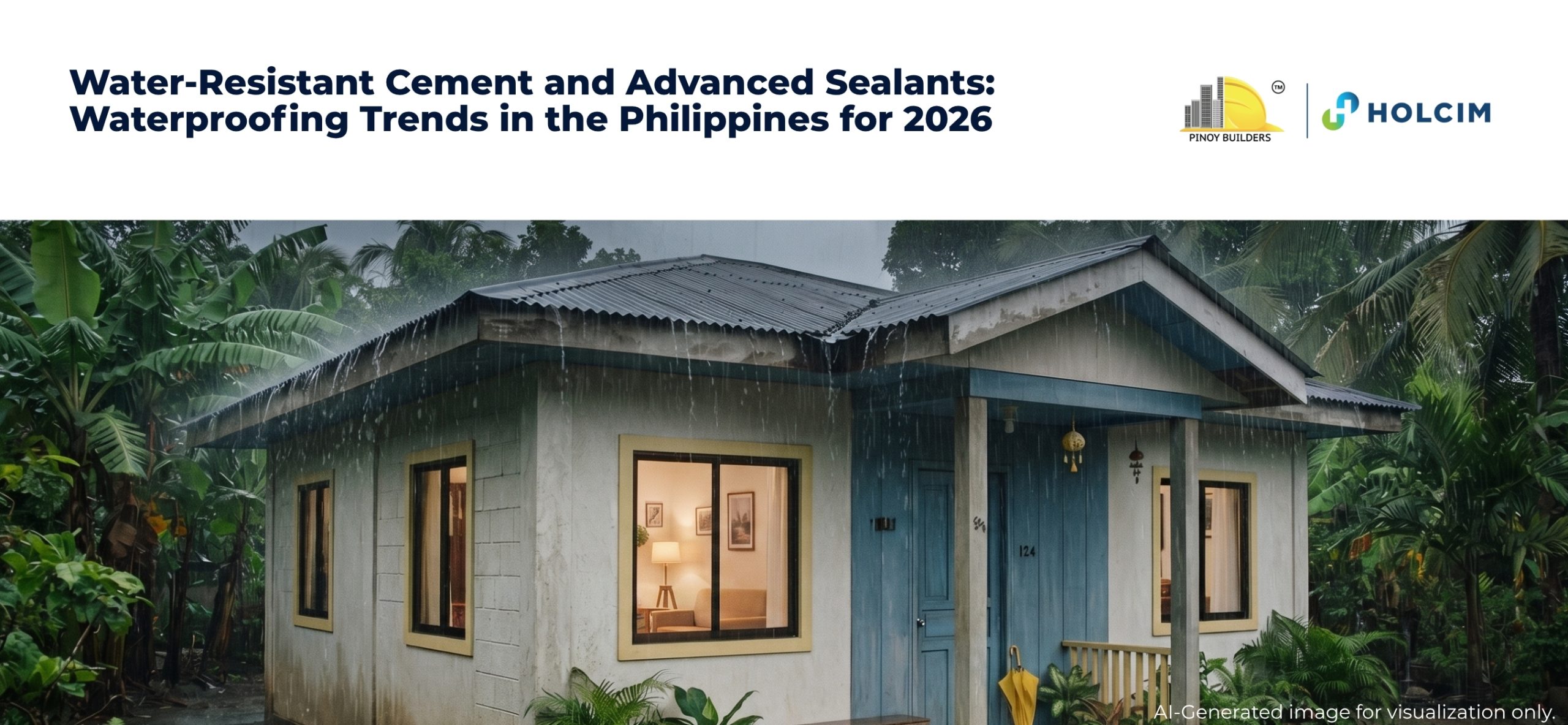
For decades, the “wet season” in the Philippines was a predictable cycle. However, as we navigate 2026, the frequency and severity of urban flooding in Metro Manila have reached a critical tipping point. Rapid urbanization, aging drainage systems, and a shifting climate have transformed flooding from an occasional nuisance into a permanent factor in residential planning.
According to the Philippine Atmospheric, Geophysical and Astronomical Services Administration (PAGASA), the country now faces a baseline of 20 tropical cyclones annually, with localized “extreme rainfall events” frequently overwhelming Metro Manila’s waterways (PAGASA, 2026). For the modern Filipino homeowner, flood resilience is no longer an optional upgrade—it is a structural necessity.
Key Takeaways
- Rising Vulnerability: Urban flooding is intensified by land subsidence and inadequate drainage in high-density areas.
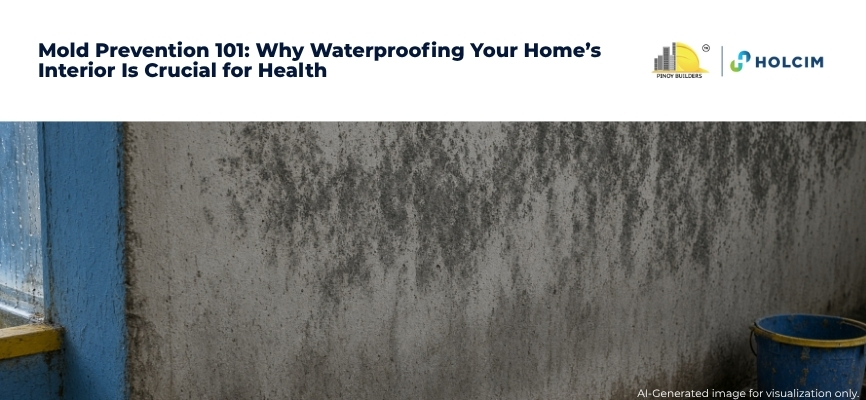
- The Porosity Problem: Traditional cement allows water to seep into foundations, leading to corrosion of reinforcing steel and mold growth.
- Water-Repellent Innovation: New flood-resistant cements provide integral protection by blocking microscopic capillary pores.
- Cost Efficiency: Higher upfront costs are offset by a significant reduction in long-term repair and maintenance expenses.
- Climate Resilience: 2026 trends show a shift toward materials that prioritize performance under extreme moisture conditions.
The Science of Resistance: How Water-Repellent Cement Works
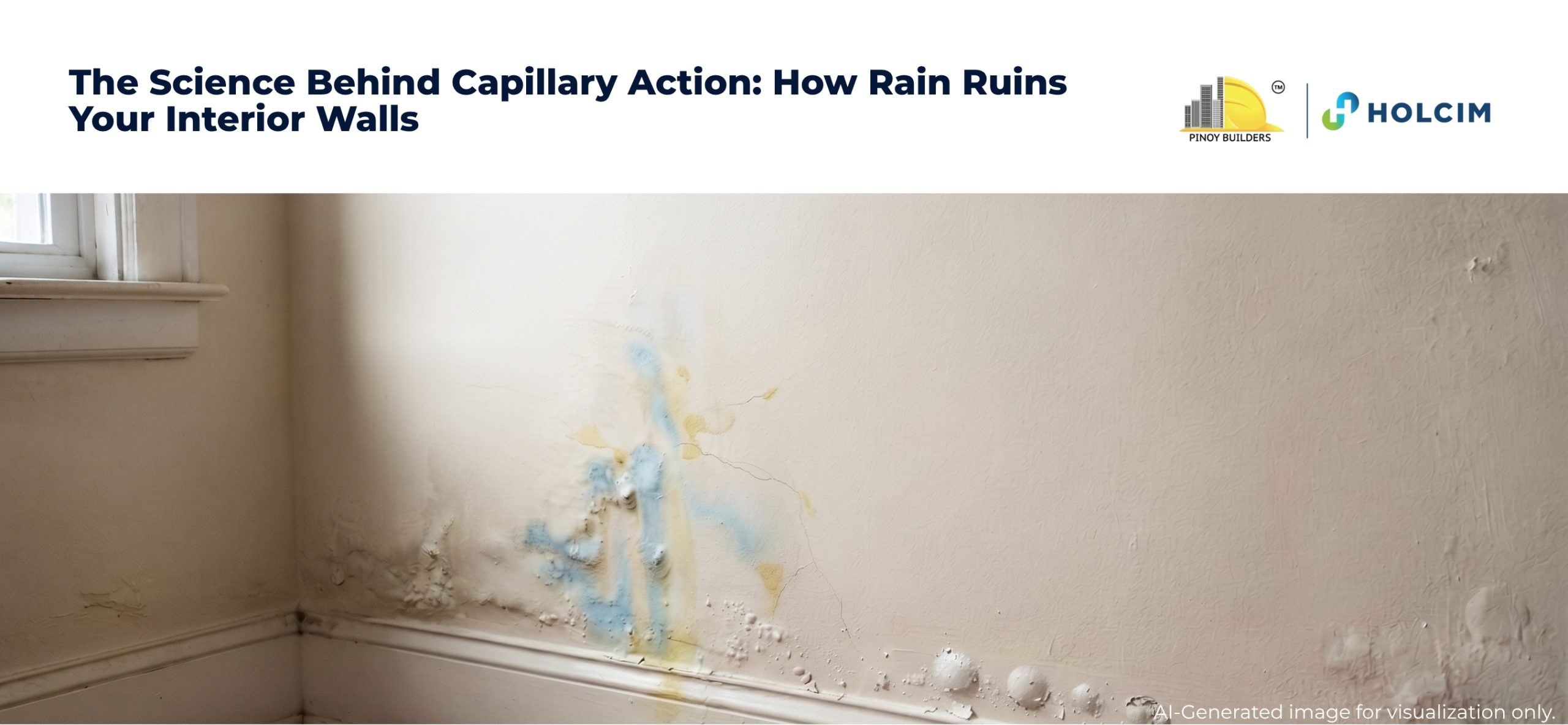
Conventional concrete is deceptively porous. While it appears solid, it contains a network of microscopic channels that allow moisture to travel through the structure. In flood-prone regions like Marikina or Malabon, this leads to “wicking,” where water travels up walls, damaging paint and weakening the home’s skeleton.
Flood-resistant cement—often called water-repellent cement—reengineers this process at the molecular level. By carefully balancing the raw materials and incorporating specialized hydrophobic additives during the manufacturing process, this cement creates a barrier within the concrete matrix itself. This technology doesn’t just coat the surface; it ensures the entire slab remains resistant to moisture penetration (Holcim Philippines, 2022).
Bridging the “Resilience Gap” in Residential Construction
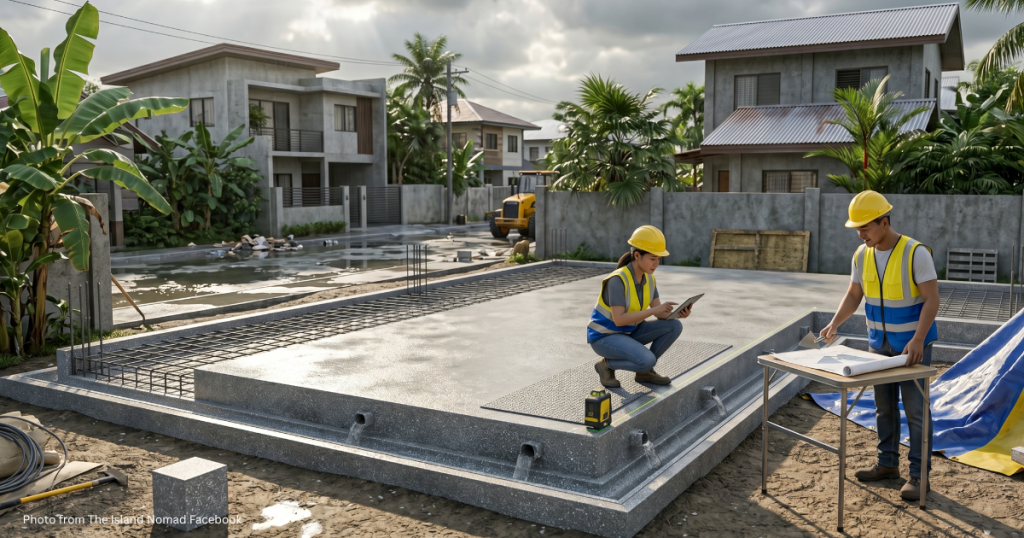
The transition to high-performance materials is a core component of the push for sustainable construction materials in the Philippines. By choosing cement that resists water damage, builders are effectively reducing the environmental impact of a project over its entire lifecycle, as there is less need for energy-intensive reconstruction after a major flood event (CCC, 2026).
1. Soil Saturation and Foundation Stability
Prolonged exposure to floodwater can weaken the soil bearing capacity under a home. Water-repellent cement helps maintain the structural integrity of the foundation, preventing the settlement cracks that often appear months after the floodwaters have receded.
2. Protecting Steel Reinforcement
When water hits traditional concrete, it eventually reaches the steel rebar inside. Once the steel rusts, it expands, causing the concrete to crack and spall. Flood-resistant cement acts as a shield, ensuring that the internal “bones” of the home remain dry and strong.
3. Maintaining Aesthetic Quality
Moisture is the primary enemy of high-quality concrete finishes. By controlling internal moisture levels, flood-resistant cement prevents the efflorescence (white salty stains) and surface scaling that often ruin the look of modern exposed concrete or plastered walls (Latium Technologies, 2026).
The Cost Factor: Is It Worth the Investment?
For many Filipino families, the budget is the bottom line. Flood-resistant cement does carry a premium price tag compared to standard OPC (Ordinary Portland Cement). However, Pinoy Builders emphasizes the concept of “Lifecycle Costing.”
In flood-prone areas of Metro Manila, the cost of a single major repair—stripping moldy drywall, repainting, and fixing structural cracks—can easily exceed the initial savings of using cheaper materials. In 2026, the market is recognizing that a resilient home is a more valuable asset, often fetching higher resale values due to its “flood-proof” certification.
2026 Trend: Building for Disaster Resilience
The Metropolitan Manila Development Authority (MMDA) continues to identify high-risk zones, and insurance providers are increasingly looking at material choices when determining premiums (MMDA, 2012). Building with resilience in mind is no longer just about safety; it is about financial savvy.
Conclusion: A Necessary Shift for Filipino Homes
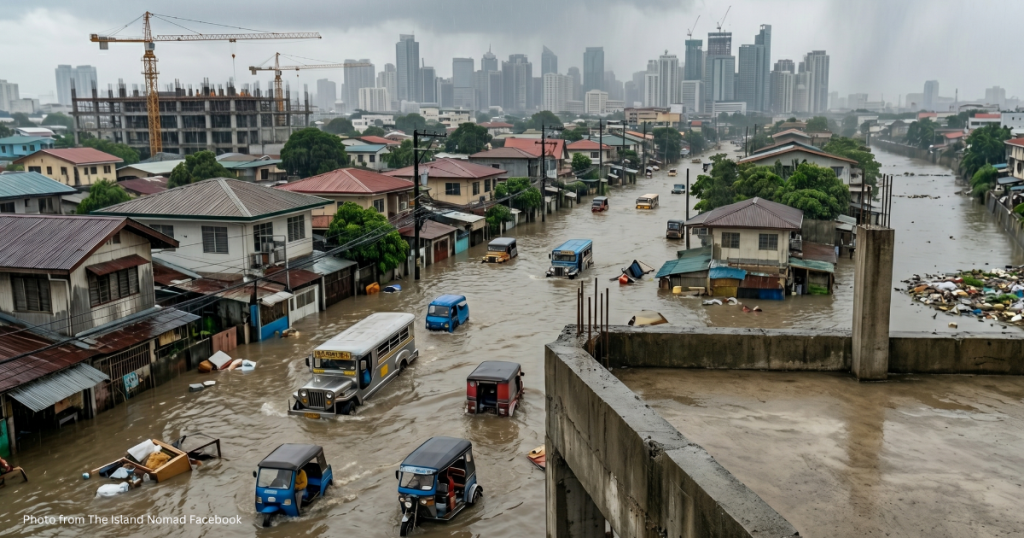
As we look toward a future defined by climate volatility, the materials we choose today will determine the safety of our families tomorrow. The shift toward sustainable building materials is not just a trend—it is a response to the geographic realities of the Philippines. Flood-resistant cement offers a proactive solution that safeguards both the structural health and the aesthetic beauty of Metro Manila homes.
In 2026, building smarter means accepting that the water is coming—and ensuring your home is ready to stand its ground.
References
Climate Change Commission. (2026). National Climate Change Action Plan. Climate.gov.ph. https://climate.gov.ph/our-programs/national-climate-change-action-plan
Holcim Philippines. (2022). Holcim launches Philippines’ first water repellent cement. Holcim.ph. https://www.holcim.ph/media/news-releases/holcim-launches-philippines-first-water-repellent-cement
Metropolitan Manila Development Authority (MMDA). (2012). Projects and Flood Control. Mmda.gov.ph. https://mmda.gov.ph/projects.html
Philippine Atmospheric Geophysical and Astronomical Services Administration (PAGASA). (2026). Climate of the Philippines and Tropical Cyclone Statistics. Dost.gov.ph. https://www.pagasa.dost.gov.ph/information/climate-philippines
Philippine Statistics Authority. (2024). Construction Statistics from Approved Building Permits Philippines 2024. Psa.gov.ph. https://psa.gov.ph/content/construction-statistics-approved-building-permits-philippines-2024




 Facebook
 Instagram
 Linkedin
 Twitter
 Youtube
