
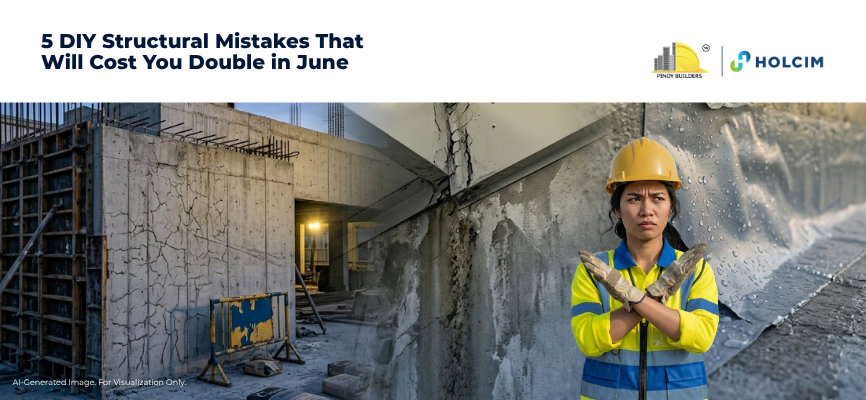
The High-Stakes May-June Transition
In the Philippines, the month of May is often a frantic race against the calendar. As the heat of the dry season peaks, DIY builders and homeowners rush to finish extensions, roof repairs, and wall partitions before the first monsoon rains arrive in June. This high-pressure window often leads to “shortcut” decisions—sacrificing long-term durability for immediate speed.
While beating the rain is a valid goal, compromising structural integrity in May almost guarantees a financial disaster in July. In 2026, the cost of specialized repair chemicals and emergency labor is projected to rise by 15% during the peak typhoon months (PSA, 2024). Doing it “fast” now often means paying double later to fix what the rain has exposed.
Key Takeaways
- Rushing the process to beat the rainy season often leads to “shortcut” errors that compromise safety.
- Concrete Curing is the most commonly ignored step, leading to weak slabs and internal cracks.
- Waterproofing over damp surfaces is a temporary fix that fails as soon as humidity spikes.
- Double Cost Impact: Repairing a leak in the middle of a typhoon costs twice as much in labor and premium sealants.
- Rain-Ready Success depends on proper sequencing and the use of high-performance additives.
5 Specific High-Cost Mistakes in Philippine DIY Builds
1. Ignoring Concrete Curing Times to Beat the Rain
The most expensive mistake is stripping forms or applying loads too early. Many DIYers assume that because the sun is hot in May, the concrete is “ready.” However, proper concrete curing requires time for chemical hydration. Rushing this process leads to shrinkage cracks that become superhighways for water once the June rains hit (NCBI, 2020).
2. Improper Flashing on Roof-to-Wall Joints
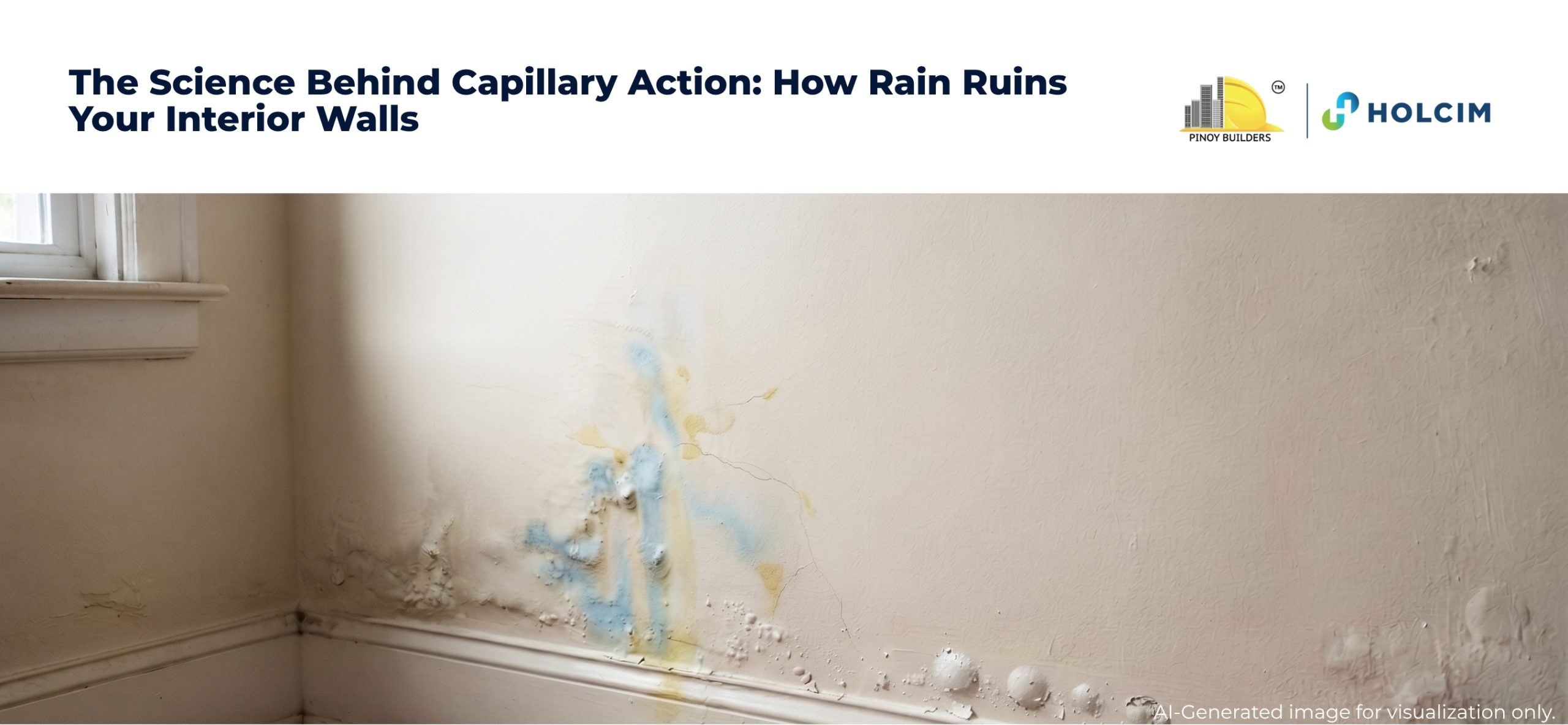
A common “blind spot” is the intersection where a new roof meets an existing firewall. Using only sealant (vulca-seal) without proper metal flashing is a recipe for failure. Once the heavy rains start, the thermal expansion of the roof causes the sealant to pull away, leading to interior wall damage that can cost thousands to repaint and repair.
3. “Blind” Waterproofing Over Damp Surfaces
As the first few rains of June begin, many homeowners panic and apply waterproofing membranes over surfaces that are already damp. Most waterproofing chemicals require a bone-dry substrate to bond correctly. Applying them over moisture traps water inside, leading to bubbling, peeling, and a complete waste of expensive raw materials.
4. Undersizing Drainage for Retaining Walls
DIYers building planters or small retaining walls often forget about stormwater management. Without weep holes or perforated drain pipes, the soil behind a wall becomes heavy with water during a typhoon. The resulting hydrostatic pressure can cause the wall to lean or collapse, necessitating a complete—and much more expensive—rebuild (DPWH, 2026).
5. Failing to Seal Exposed Rebar Before Humidity Spikes
Leaving steel reinforcements exposed to the elements while waiting for the next “budget” phase is dangerous. Even before the rain, the high humidity of June starts the oxidation process. Once rebar begins to rust inside a concrete member, it expands and causes “spalling,” which is one of the most difficult and costly structural issues to remediate.
The Financial Reality: The “Double Cost” Impact
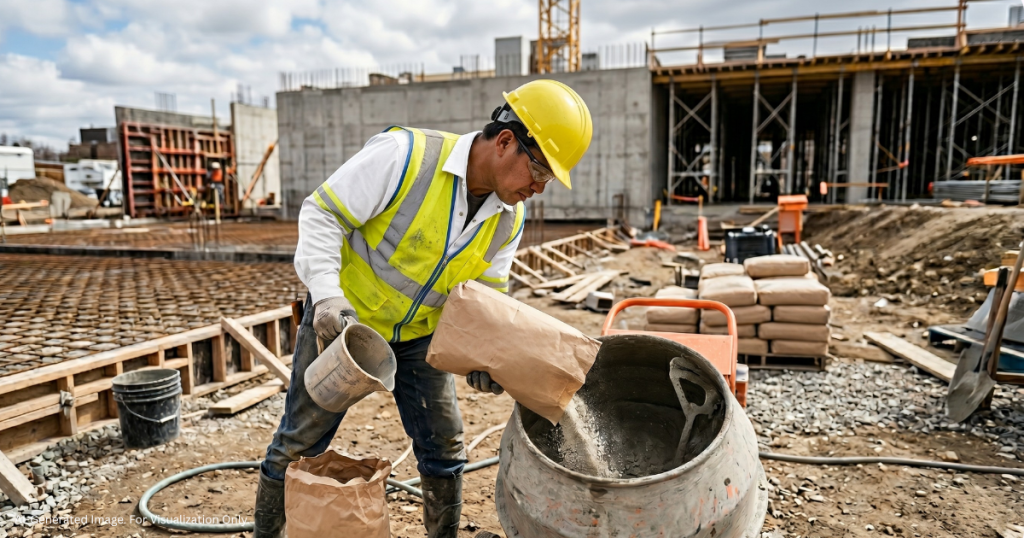
The math for DIY shortcuts is simple but painful. Let’s look at a typical leaking concrete slab:
- In May: Doing it right involves a proper water-cement ratio and a standard integral waterproofing additive.
- In July: Fixing a leak requires stripping the old finish, applying expensive crystalline waterproofing, and hiring specialized labor to work in wet conditions.
By skipping a ₱5,000 step in May, homeowners often find themselves facing a ₱12,000 repair bill by August. This doesn’t even account for the damage to interior assets like furniture, appliances, or fiber cement boards used in ceiling partitions that can sag and rot when exposed to persistent leaks (Holcim Philippines, 2024).
The Path to “Rain-Ready” Success
To ensure your May investment doesn’t wash away, follow the “Right Choice, Right Sequence” rule.
Prioritize High-Performance Materials: Use blended cements or water-repellent solutions for areas exposed to the elements. If you are installing interior partitions, ensure you are using moisture-resistant fiber cement boards rather than standard gypsum to handle the inevitable rise in humidity.
Sequence Your Build: Focus on “closing the envelope” first. Ensure the roof and exterior walls are sealed before starting any interior finishing. A finished interior is worthless if the exterior shell isn’t weather-tight.
Conclusion: Build Once, Build Right
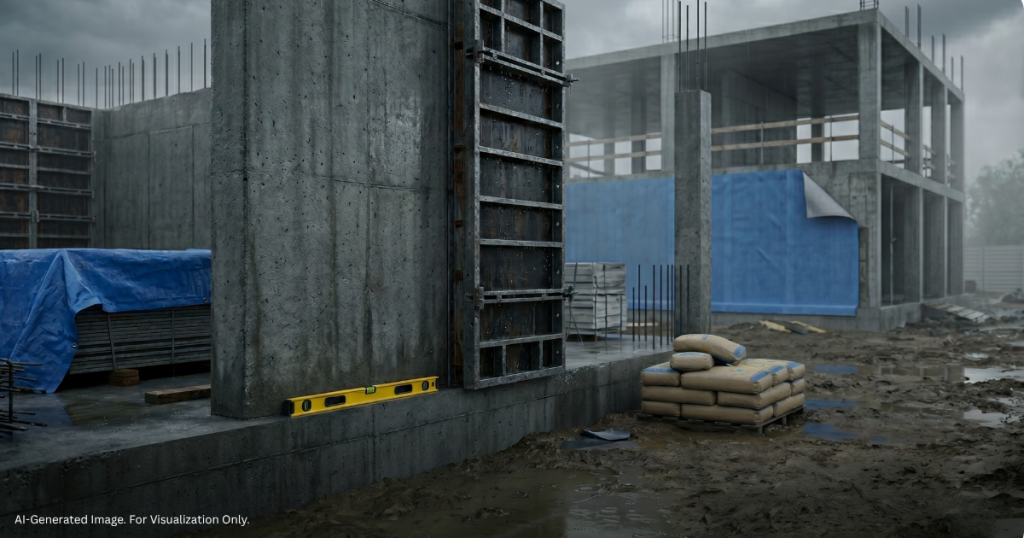
In the Philippine climate, nature always finds the shortcut you took. The May-June transition is a test of a builder’s patience as much as their skill. By respecting curing times and investing in proper waterproofing today, you ensure that your home remains a sanctuary rather than a source of stress when the first typhoon makes landfall.
Building for 2026 means building for resilience while minimizing the environmental impact of unnecessary reconstruction waste. Don’t let a rush in May turn into a financial storm in June.
References
Department of Public Works and Highways. (2026). Design Standards for Small-Scale Drainage and Retaining Walls. Dpwh.gov.ph. https://www.dpwh.gov.ph/dpwh/references/issuances/department_order
Holcim Philippines. (2024). Holcim Aqua X: The Philippines’ First Water-Repellent Cement. Holcim.ph. https://www.holcim.ph/holcim-aqua-x
NCBI – PMC. (2020). The Influence of Ambient Temperature on High Performance Concrete Properties. Pmc.ncbi.nlm.nih.gov. https://pmc.ncbi.nlm.nih.gov/articles/PMC7603087/
Philippine Information Agency (PIA). (2026). DPWH pushes transparent infrastructure spending under 2026 budget. Pia.gov.ph. https://pia.gov.ph/news/dpwh-pushes-transparent-infrastructure-spending-under-2026-budget/
Philippine Statistics Authority. (2024). Construction Statistics from Approved Building Permits Philippines 2024. Psa.gov.ph. https://psa.gov.ph/content/construction-statistics-approved-building-permits-philippines-2024






 Facebook
 Instagram
 Linkedin
 Twitter
 Youtube
