
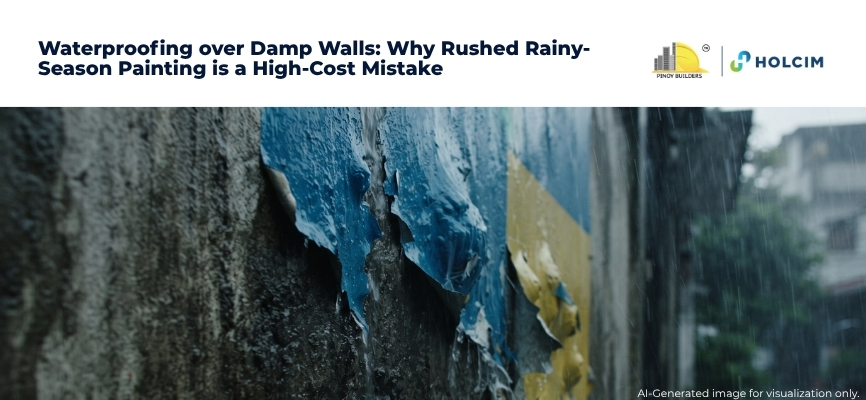
As the July rains batter the Philippines, a familiar panic sets in for many homeowners and property managers. A leak appears, a damp spot forms, and the immediate instinct is to rush out, buy a bucket of masonry sealer, and slap it on the wall between downpours. This rushed approach to rainy season painting is arguably one of the most common, and costly, maintenance mistakes made during the monsoon months.
Successful waterproofing depends on proper substrate preparation. Applying waterproofing systems over moisture-laden concrete significantly increases the risk of coating failure because excess moisture interferes with adhesion and curing, particularly for acrylic and cementitious systems.
The fundamental principle of adhesion is compromised when moisture is trapped beneath the surface. This article will expose the dangers of this common mistake, detail the physical warning signs of trapped moisture, and outline the ultimate safety guidelines backed by industry standards for ensuring a lasting repair.
Key Takeaways
- Patience Saves Money: Rushing a waterproofing job can turn a cheap ₱5,000 “quick fix” into a massive ₱30,000 masonry stripping and restoration project within months.
- Moisture Ruins Adhesion: Applying sealants over wet concrete creates an impermeable barrier that traps water, significantly increasing the likelihood of premature coating failure.
- Watch for Visual Red Flags: Unexplained bubbling wall paint, chalky white efflorescence, and interior toxic mold growth are clear indicators of moisture trapped behind your walls.
- Always Test, Never Guess: Concrete substrates must be completely dry. Always utilize moisture testing methods like the plastic-sheet test before applying any coatings.
The Illusion of the “Quick Fix”
The temptation of painting rainy days away is understandable. You see water entering your home, and you want it stopped immediately. You might even manage to apply a coat of sealer that looks decent for a week or two. However, this is an illusion.
When you apply a coating over damp concrete, you are essentially creating an impermeable barrier that traps moisture inside the wall. The concrete matrix is porous; it acts like a sponge, holding onto water from recent rains. If you seal the surface before that water can evaporate, it has nowhere to go.
What Happens to the Adhesive Bond?
The success of any paint or masonry sealer relies on its ability to bond with the substrate (the concrete surface). When water is present in the pores of the concrete, the sealant cannot penetrate and anchor itself properly (Tnemec Company, Inc., 2023).
Instead of bonding to the concrete, the coating adheres to the thin layer of moisture sitting on the surface or just below it. As temperatures fluctuate, especially when the sun eventually comes out and heats the wall, this trapped water turns into vapor. The pressure from this vapor pushes against the back of the coating, destroying the weak adhesive bond and causing the sealant to fail completely.
3 Major Warning Signs of Trapped Moisture
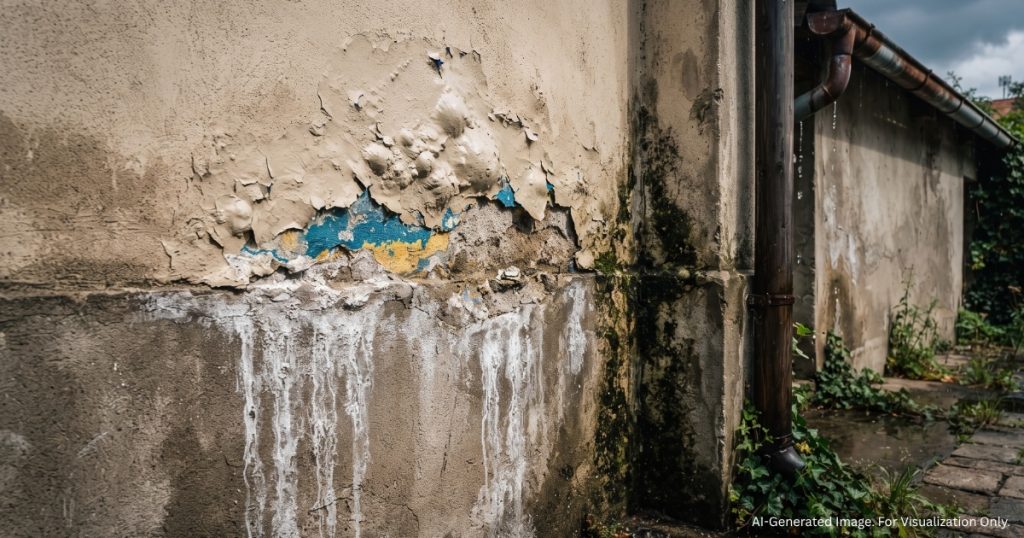
If you or your contractor rushed a rainy season painting job, the consequences will soon become visible. Here are three major physical warning signs that moisture is trapped behind your walls:
1. Bubbling Wall Paint
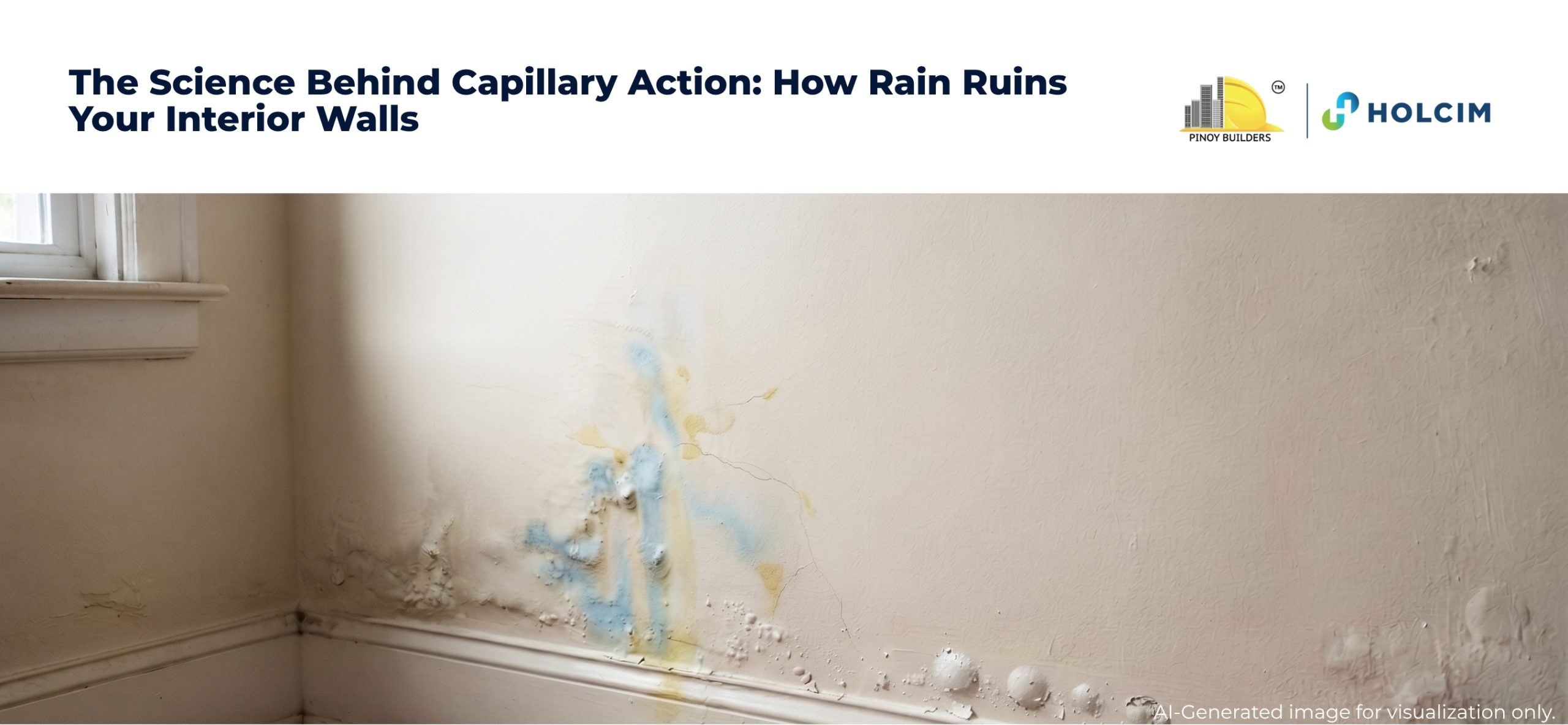
One of the most immediate and common signs of trapped moisture is bubbling wall paint. If you find yourself asking, “why is my wall paint bubbling?” shortly after a rainy-season repair, trapped vapor pressure is the absolute most likely culprit. As the trapped water evaporates and expands, it physically pushes the paint away from the wall, creating unsightly blisters that will eventually peel and flake off.
2. Chalky Efflorescence
Have you noticed a white, powdery, or chalky substance appearing on your walls? This is called efflorescence. It occurs when moisture causes soluble natural salts and minerals within the concrete to rise to the surface (Wausau Tile, 2023). When the water finally evaporates at the surface, often pushing through or damaging the paint to do so, it leaves these white salt deposits behind. It is a clear, undeniable indicator that water is actively moving through the wall from the inside out.
3. Toxic Mold Growth in Interior Partitions
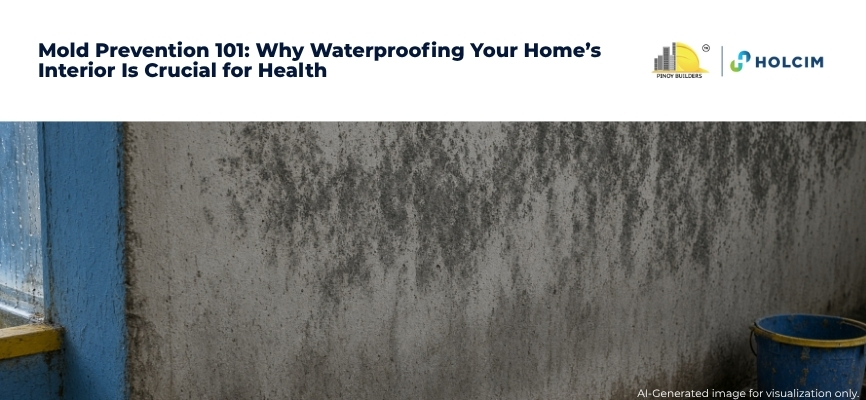
Perhaps the most dangerous consequence of trapped moisture is the growth of toxic mold, particularly on interior partitions that share a wall with the damp exterior. According to the US Environmental Protection Agency, trapped moisture creates the exact dark, humid environment required for mold spores to thrive (US EPA, 2023). This not only ruins interior finishes and creates a musty odor but also poses significant respiratory health risks to the building’s occupants.
The High Cost of Impatience
What starts as an attempt to save money and time quickly backfires. Let’s look at the harsh financial reality of rushing a waterproofing job.
You might spend ₱5,000 in July on materials and cheap labor for a “quick fix” application over a damp wall. By September, the sealant has failed, the paint is bubbling, and moisture has deeply penetrated the masonry.
To fix this properly, you now have to pay for:
- Stripping: Complete removal of the failed sealant and paint using heavy-duty chemical strippers or grinders, which is highly labor-intensive.
- Treatment: Addressing any mold or efflorescence that has developed.
- Drying Time: Allowing the wall to dry properly, which you should have done in the first place.
- Re-application: Purchasing new, high-quality materials and paying for skilled labor to apply the waterproofing correctly.
That initial ₱5,000 “savings” has now ballooned into an expensive ₱30,000 masonry stripping and restoration project.
The Ultimate Safety Guideline: Patience and Testing
The core principle of effective waterproofing is simple but non-negotiable: concrete substrates must be allowed to dry completely before sealants are applied.
So, how long should concrete dry before painting or waterproofing? During the Philippine southwest monsoon (Habagat), prolonged rainfall and high humidity can significantly extend drying times, even after several sunny days. It depends entirely on the ambient weather, the thickness of the wall, and the extent of the saturation. Waiting a few sunny days is often not enough during the rainy season.
Instead of guessing, you must test the substrate to ensure it is dry enough for application.
Industry-Standard Moisture Testing Methods
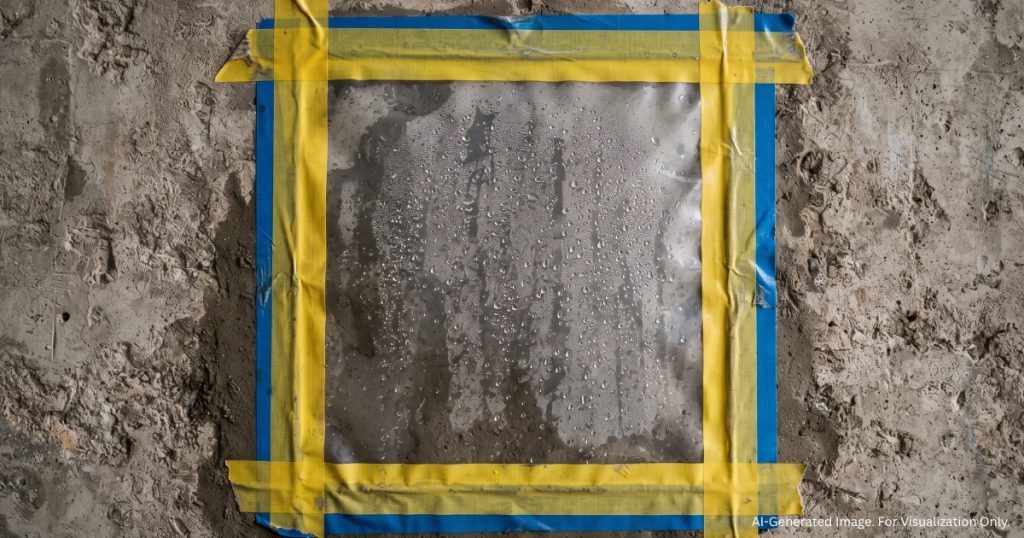
- The Plastic Sheet Test: This is a simple, effective qualitative test you can do yourself. Tape a piece of heavy-duty clear plastic (about 18×18 inches) tightly to the concrete surface, sealing all four edges with duct tape. Leave it in place for 16 to 24 hours. If condensation appears on the inside of the plastic, or if the concrete beneath it is noticeably darker (damp) than the surrounding area, the wall is not dry enough to seal (Tnemec Company, Inc.).
- Relative Humidity Probes: Professional contractors use specialized on-site sensors inserted directly into the concrete to get an accurate, quantifiable reading of the relative humidity deep within the slab or wall. For most coatings, the internal relative humidity should be below 75-80% before application.
Conclusion

Resist the urge to apply painting during rainy weather or fast-drying sealants during active wet weather or immediately after. Waterproofing over damp walls is a false economy that leads to structural damage, health hazards, and significant financial loss. Prioritize patience, utilize proper testing methods like the plastic-sheet test, and wait for the dry season if a comprehensive, lasting repair is needed. Doing it right the first time is the only true way to protect your property and your wallet.
References
- Tnemec Company, Inc. (2023). 3 Ways to Test Concrete Moisture. Retrieved from https://tnemec.com/remedy-index-page/3-ways-test-concrete-moisture/
- US Environmental Protection Agency (EPA). (2023). A Brief Guide to Mold, Moisture and Your Home. Retrieved from https://www.epa.gov/mold/brief-guide-mold-moisture-and-your-home
- Wausau Tile. (2023). Concrete Efflorescence: Causes & Effective Removal. Retrieved from https://wausautile.com/blog/concrete-efflorescence.cfm





 Facebook
 Instagram
 Linkedin
 Twitter
 Youtube
